
Living · Planning · Understanding materials
CD storage ideas: make your collection easy to enjoy
The best CD storage makes it easy to find an album, read the spine and put the case back without rearranging a shelf. Before choosing a tower, wall shelf or drawer, count the collection by format. Standard jewel cases, digipaks, double cases and box sets rarely use space in the same way.
Creative CD storage can be a dedicated display, a compact rotating tower or a quiet drawer beside your audio equipment. This guide compares those choices, including inexpensive boxes and existing furniture, so you can spend on the feature that actually solves your problem.
Furniture · 01
Count formats before comparing capacities
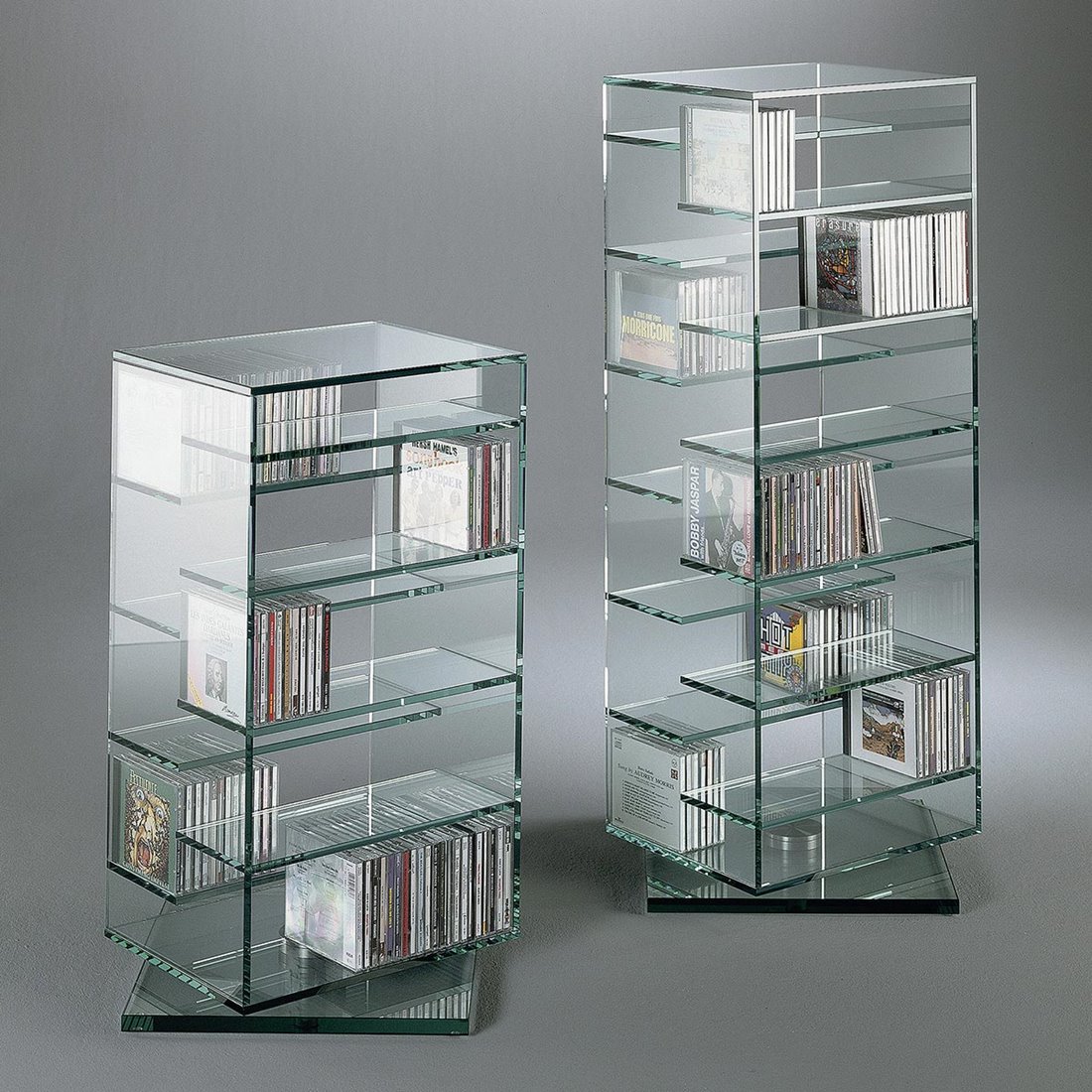
Count ordinary jewel cases separately from oversized packaging and DVDs. Take ten representative cases, place them together without squeezing and measure the length. This sample tells you more about your collection than a catalog capacity based on standard cases.
Leave deliberate room for future purchases. If you want space for another hundred albums, write that number into the plan. Empty shelves can hold a few displayed covers while the collection grows; they need not look unfinished.
Furniture · 02
CD storage ideas for small spaces
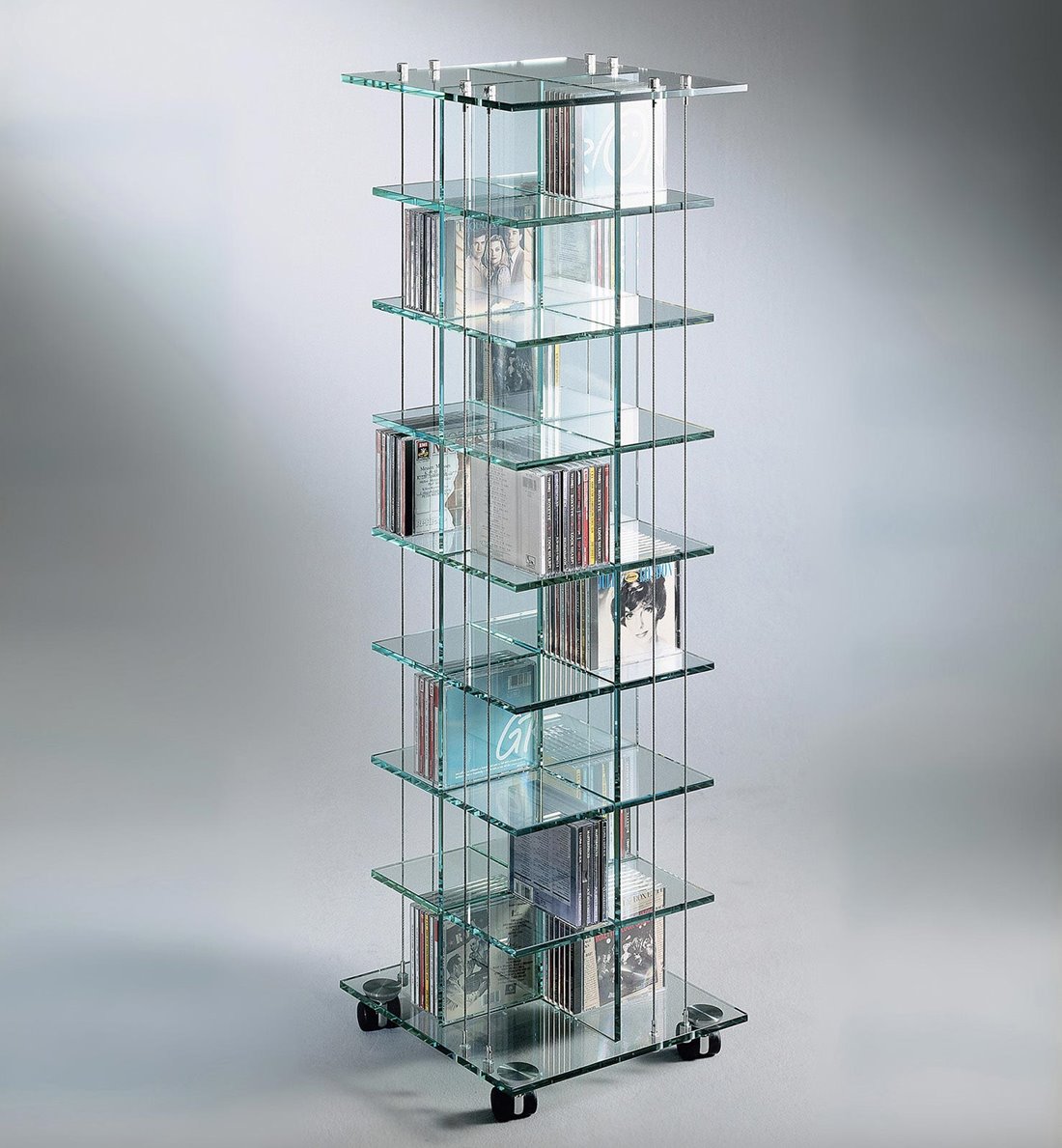
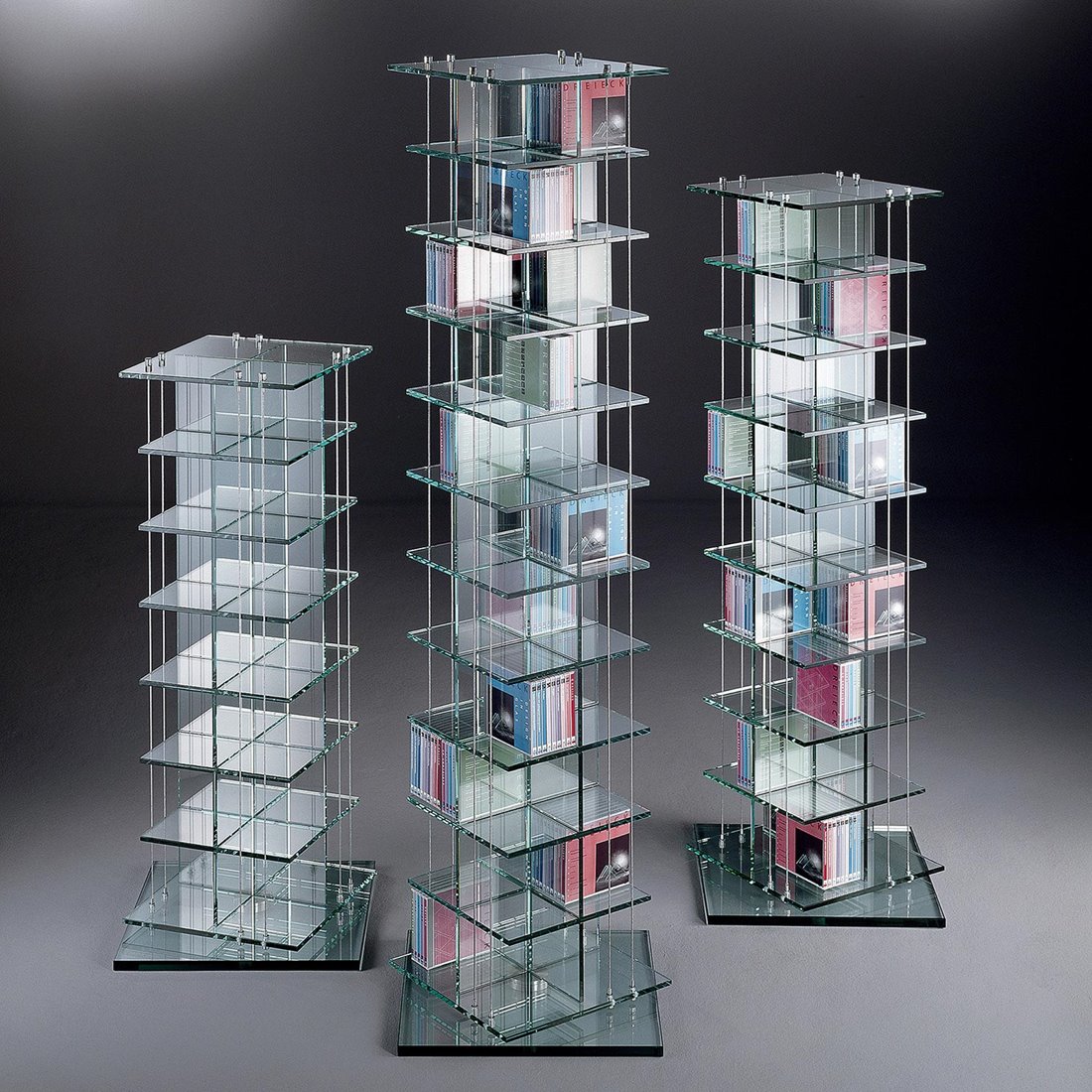
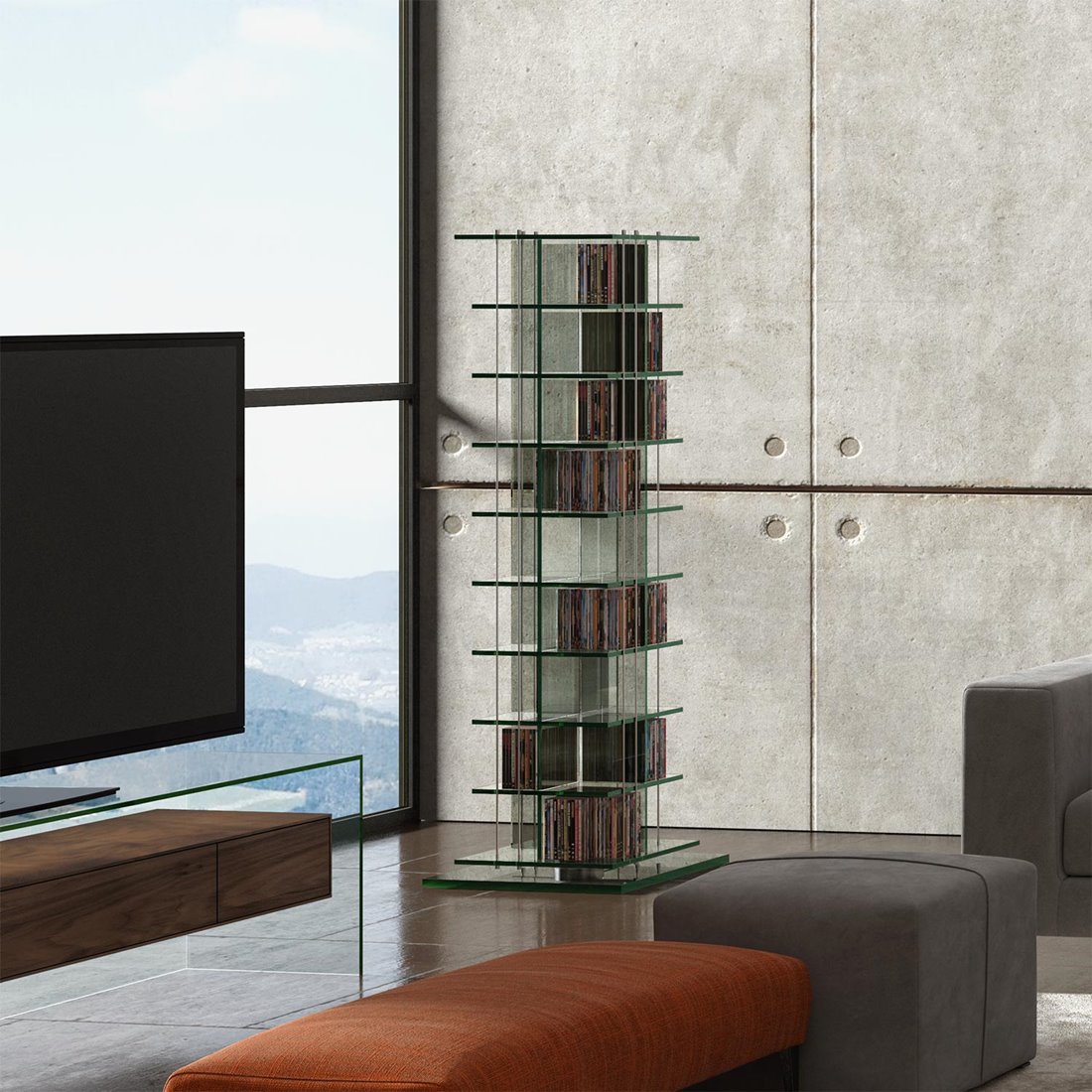
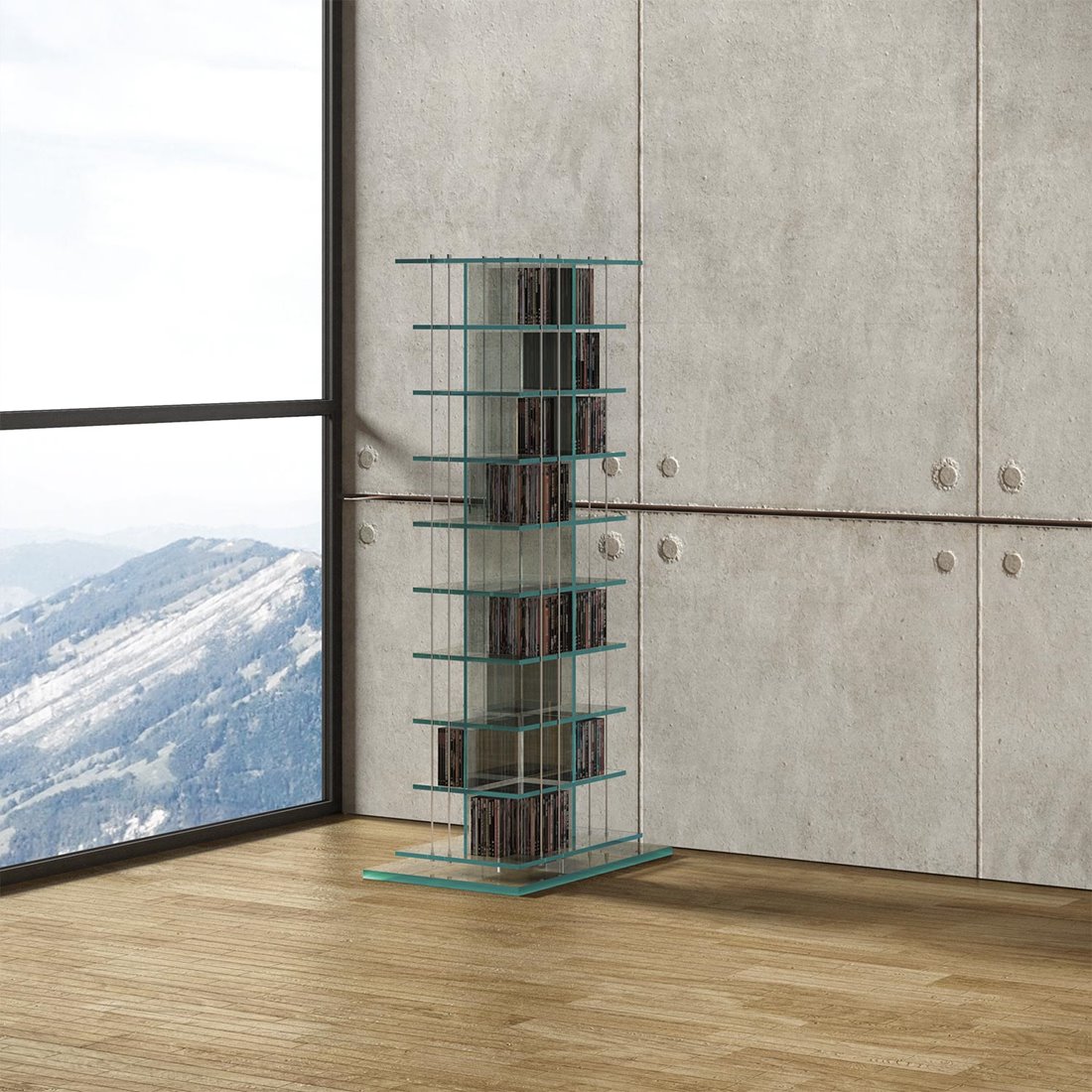
Use height when floor area is limited, but check access to the upper shelves and the stability requirements of the furniture. A rotating tower can bring several faces within reach. Its working footprint includes the rotation area, so do not place it tightly between two cabinets.
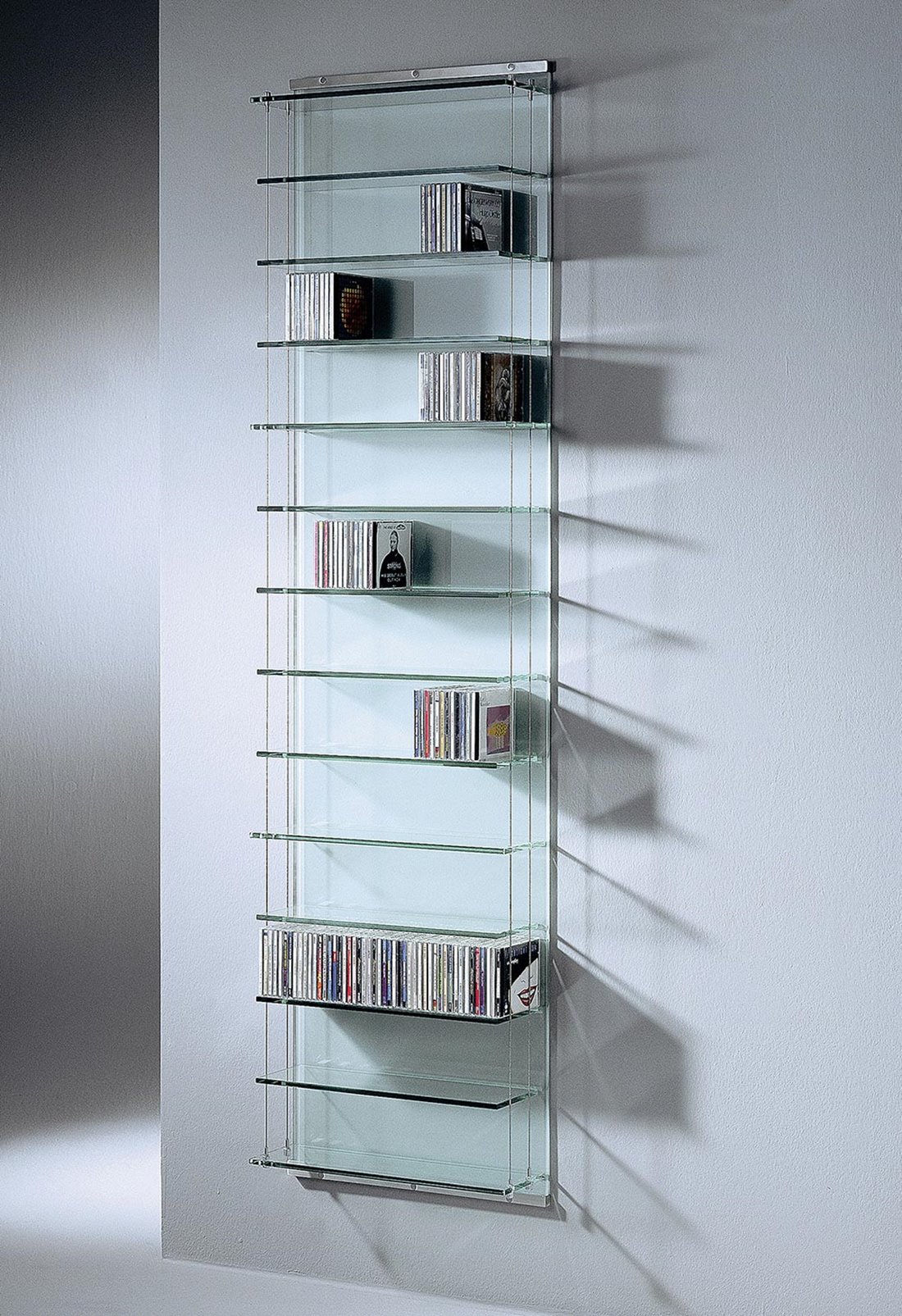
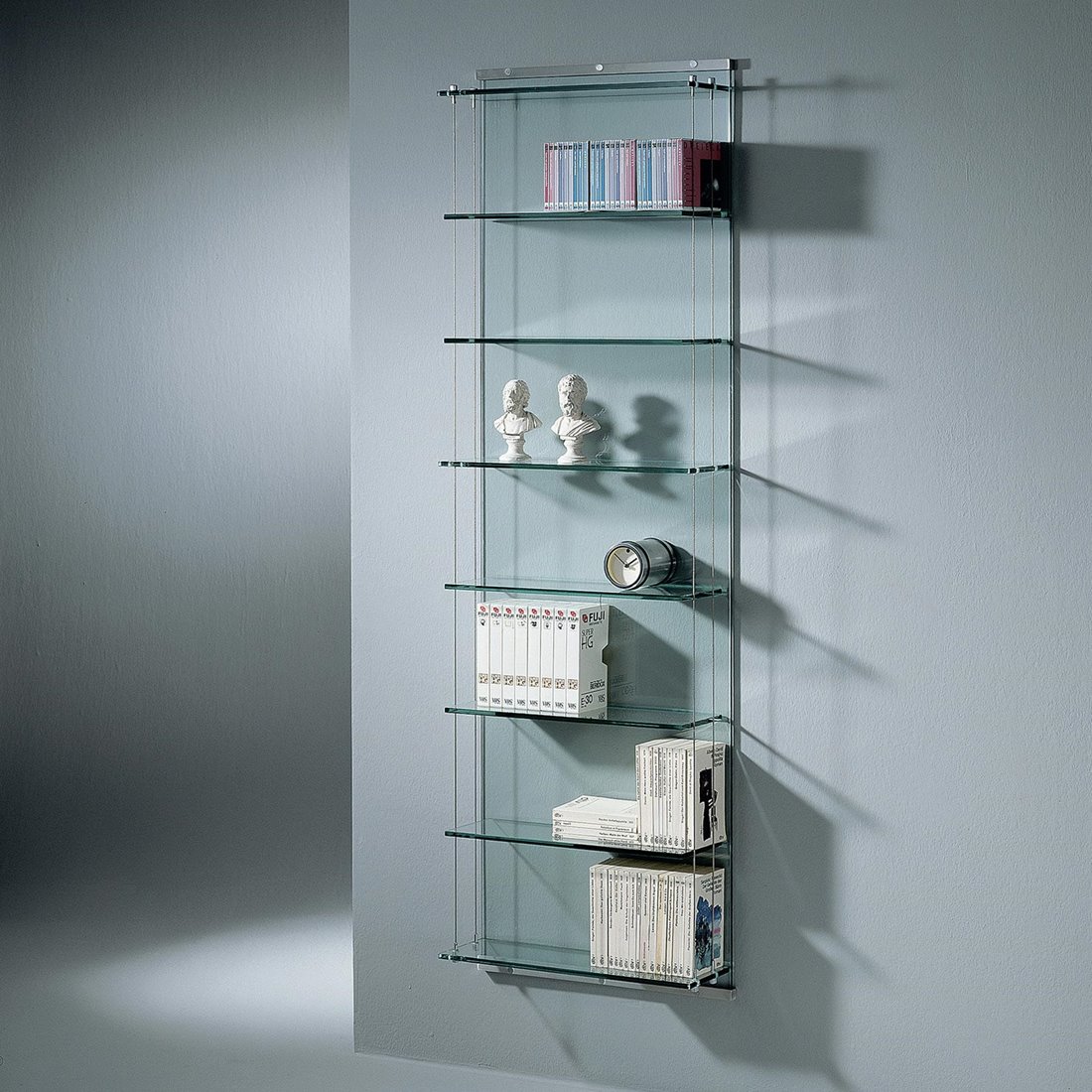
A wall shelf frees the floor but requires a suitable wall and fixings. Keep cases away from doors that swing across them. A shallow shelf behind a listening chair may be convenient, provided pulling out a case does not interfere with the passage.
Furniture · 03
Shelves, towers, drawers or boxes?
Open shelves show spines and make browsing simple. Towers gather a larger collection in one place. Drawers keep a quieter visual surface, but need accessible dividers and the right internal height. Boxes are useful for occasional listening or sorting; labels should remain readable when stacked.
A cabinet with doors limits exposure compared with an open shelf, yet is not automatically dustproof. Choose according to how you listen: frequent browsing rewards easy visible access, while archive copies can live elsewhere.
Furniture · 04
Creative CD storage without losing the booklet
Use a few covers as a changing display and keep the rest in a clear filing system. Group by artist, genre or label, then add a small divider at useful intervals. Albums should return to one predictable location. A beautiful arrangement that takes five minutes to reassemble rarely lasts.
Sleeves save space, but decide what happens to booklets, back inserts and special packaging before discarding cases. Keep valuable or sentimental editions intact if that matters to you. A mixture of compact storage and a small presentation area can preserve both access and the character of the collection.
For a DIY solution, start with an existing cabinet whose shelves support the cases properly. Add removable dividers, label the groups and leave room to lift out an album. Reused crates can suit a modest collection, but check rough edges, stability and support before stacking them. Compare the cost of adapting storage with buying a dedicated shelf; the better choice may depend more on access than appearance.
A digital library can complement physical albums rather than replace them. You might keep favorite editions near the player and move less-used cases to labeled archive boxes. Keep the booklet and packaging with the right disc. Decide which part of the collection you still want to browse physically before reducing the furniture capacity.
Furniture · 05
Store CDs and DVDs as different formats
DVD cases and special editions may require taller compartments. Do not assume a combined furniture model holds its maximum CD capacity plus its maximum DVD capacity at the same time. These can be alternative arrangements. Check the version and shelf spacing against actual cases.
Keep the archive out of direct sun and away from damp or hot locations. Handle discs at the edge and return them to their cases. The furniture stores the collection; it does not remove the need for normal care.
Furniture · 06
Place storage near the listening system
Try the path from selecting an album to loading the player. Put regular listening choices within easy reach and leave a surface for the current case. Keep speaker placement, equipment ventilation and cable access separate from the CD capacity calculation.
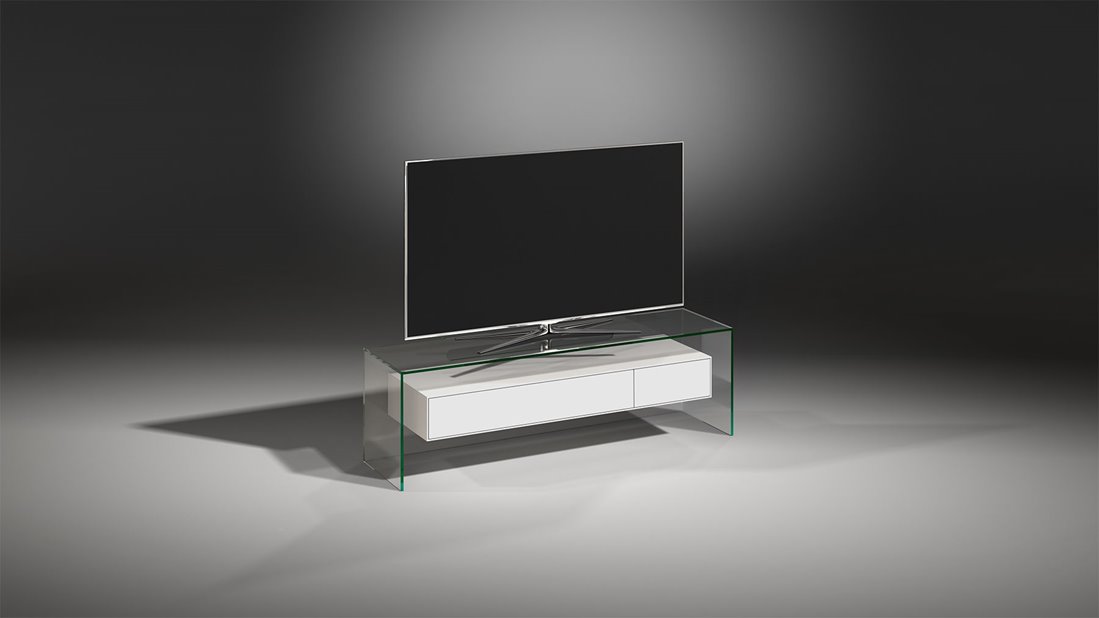
If media shares a TV cabinet drawer, measure the usable inside dimensions rather than the outside furniture width. Consider the fully opened drawer in the room, especially if it faces a coffee table. A dedicated CD shelf can be a better choice than filling the one drawer needed for remotes and charging cables.
Choose by the problem you want to solve
| Your situation | What to compare | What to check |
|---|---|---|
| Daily browsing | Visible spines on shelves or a suitable tower. | Check formats, reaching height and return-to-shelf access. |
| Limited floor area | A wall shelf or a reviewed rotating design. | Confirm fixings or full turning space. |
| Quieter appearance | Labeled boxes or accessible divided drawers. | Measure inside dimensions and keep booklets accounted for. |
Try this before buying
A capacity example: 250 albums with room to grow
A collection of 250 standard cases with space for 20% growth needs roughly 300 standard-case positions. That does not mean a nominal 300-CD model will fit a mixed collection: measure digipaks and box sets separately. If 40 editions are oversized, reserve a separate shelf or drawer for them before comparing furniture.
- Count ordinary and oversized cases separately
- Choose a growth allowance
- Confirm usable compartment dimensions
- Test access and movement at the proposed location
Record the version that works and keep the measurements with your photographs. If you change one item, repeat the relevant test: a different depth, finish or opening direction can affect more than its immediate position. Compare the complete arrangement with the way you actually use the room.
From the plan to a particular piece
Furniture examples from DREIECK DESIGN
These examples show different ways to address the decisions above. Compare the selected dimensions, finish and construction on the product page; photographs may show a particular version rather than every available option.
CD 224–616
Compare the specified versions: some use wheels, while others rotate. Choose the mechanism and capacity together.
Check the available sizes, material combinations and relevant opening or movement space against your notes before choosing a configuration.
CD wall shelves
For visible spines without a floor-standing tower. Check wall suitability and the exact format capacity.
Check the available sizes, material combinations and relevant opening or movement space against your notes before choosing a configuration.
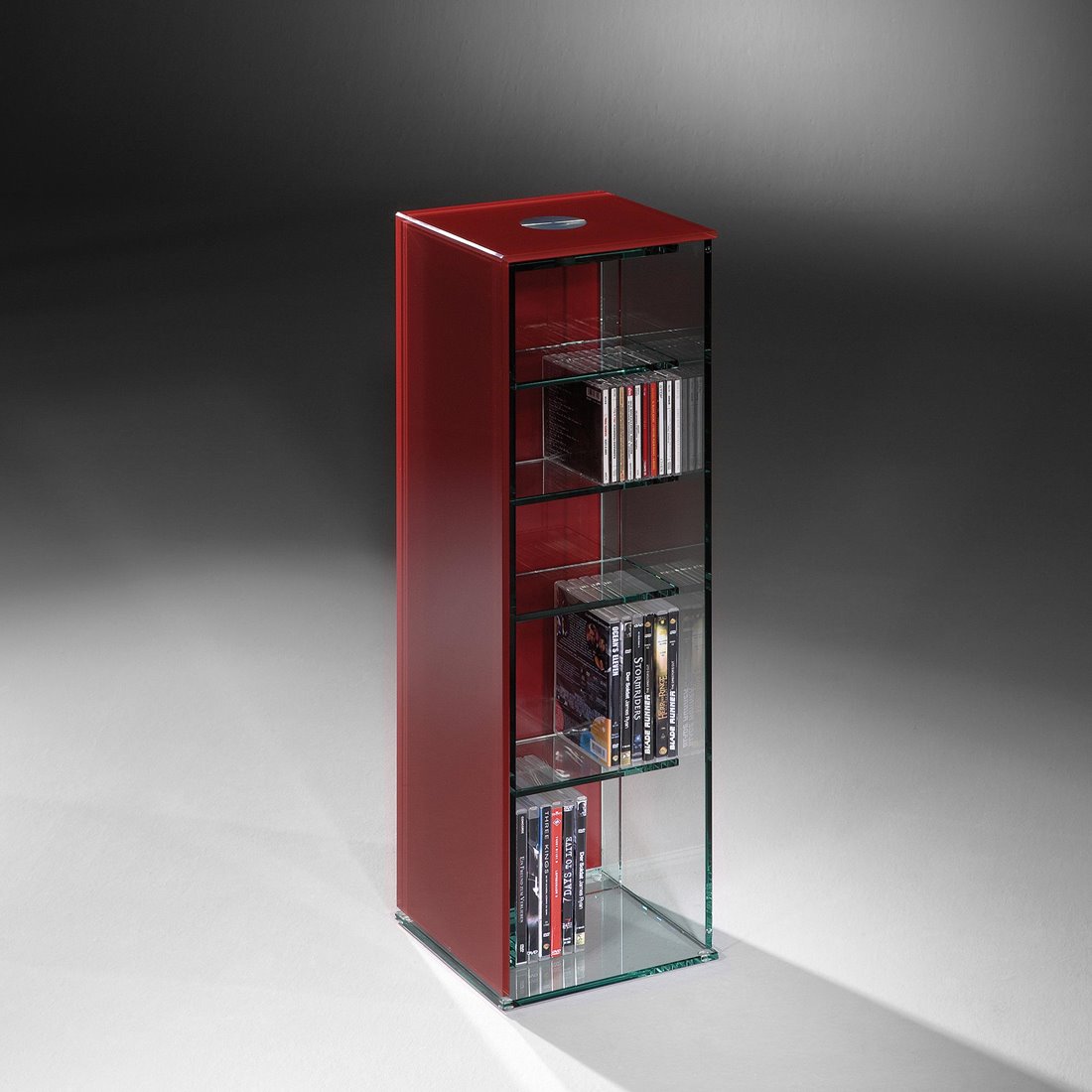
CUBE
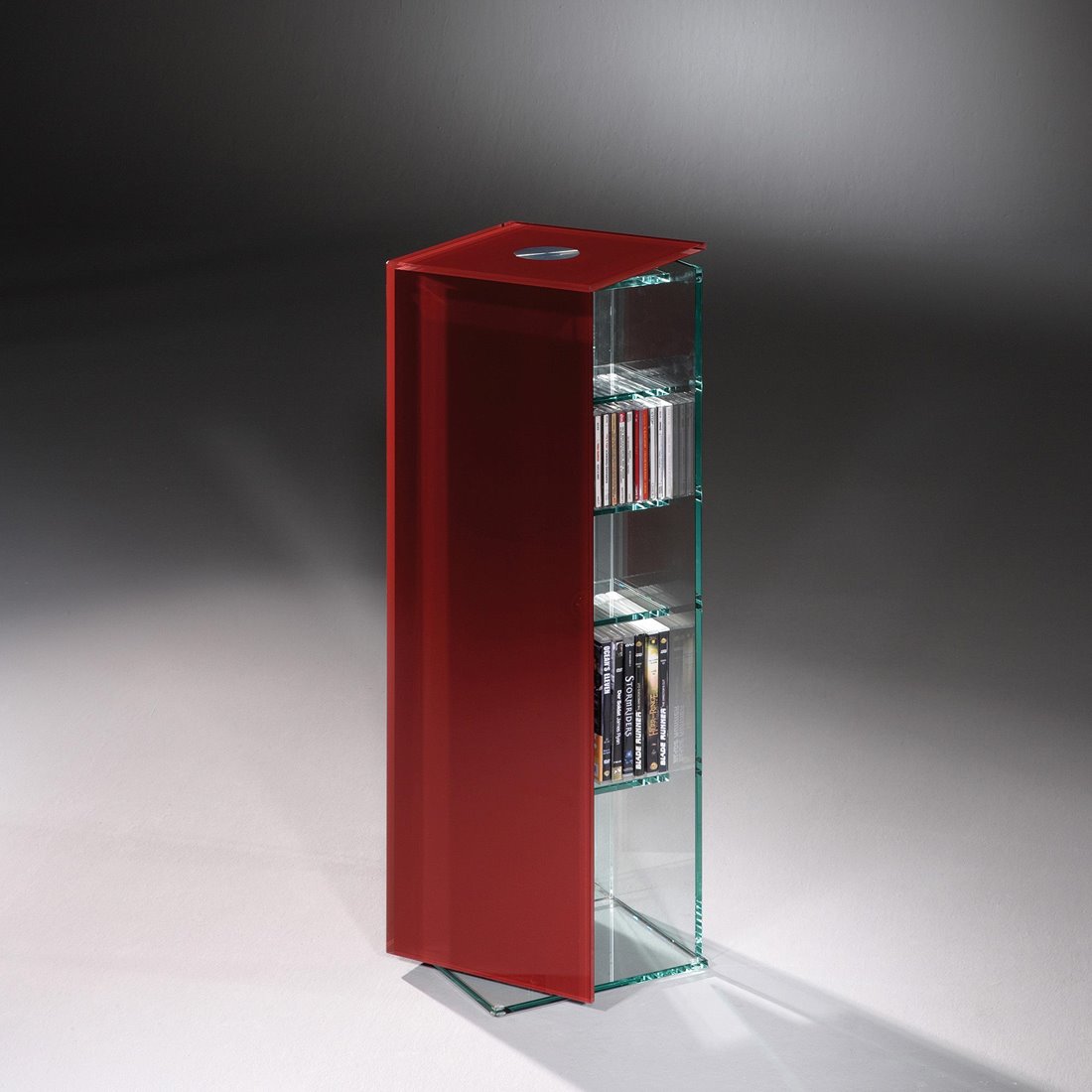
For a distinct glass presentation. Read how its cover operates rather than assuming the entire unit rotates.
Check the available sizes, material combinations and relevant opening or movement space against your notes before choosing a configuration.
Your checklist before choosing
Use these five points to turn the guide into a short furniture brief. They are worth completing before comparing a standard model with a custom design.
- Current collection by format and planned growth.
- Representative case thickness and box-set height.
- Floor footprint plus turning or drawer movement.
- Wall construction and any required securing.
- A filing order that other household members can use.
Three mistakes worth avoiding
Quoted capacity usually describes one standard case format.
Maximum CD and DVD capacities may be alternatives rather than a combined total.
A rotating cover and a rotating whole tower are different mechanisms.
Useful answers, in one place
Questions and answers
Open a question for a short answer and a relevant next step.
What is the best way to store a CD collection?
Choose a system that keeps cases supported, accessible and easy to put back. Open shelves suit regular browsing; drawers and labeled boxes can suit occasional listening.
Which CD storage ideas work in small spaces?
A shallow wall shelf or a suitable rotating tower can make good use of limited room. Include fixing requirements, access and the tower’s turning space in the plan.
How much spare capacity should I allow?
Base it on your buying habits. A 20% allowance is one planning example, not a standard. Count bulky editions separately so they do not consume all the reserve.
Can I use a TV cabinet for CDs?
Yes, if its usable drawer or shelf dimensions fit your cases. Check access with the drawer open and leave space for any equipment, controls and cables.
Does glass CD storage keep dust out?
An open glass shelf leaves cases exposed. A closed model reduces exposure but should not be described as dustproof unless that is explicitly specified.
Can CD furniture be made to fit my collection?
Discuss case formats, desired capacity and the available space with us. Custom glass, wood and metal furniture can be planned around an individual collection.
Continue with the question that comes next
Bring your measurements and ideas
If a standard size or finish does not solve the problem, we can discuss a different dimension, color or combination of glass, solid wood and metal. We also review original furniture designs. Describe the intended use, include room or object measurements and send photos of the pieces you want to keep.
Ask for personal furniture advice · Explore custom furniture
You can order available models directly in our online store. For a custom piece, we first agree the specification. Delivery arrangements depend on the destination; check the information for your country.
To compare selected models or materials in person, arrange a visit to our Hennef showroom by email or phone. Visits are by prior appointment only; please confirm the models or materials you want to see.