
Living · Planning · Understanding materials
How to furnish a living room you enjoy using
Start with what happens in the room: conversation, television, reading, music or a mixture of these. Then plan seating and routes before choosing the coffee table and storage. A coherent living room is usually the result of a few connected decisions rather than buying every piece from one matching set.
This guide covers the whole room. For specific choices, the linked guides go deeper into sofa-to-table proportions, small living rooms, floor colors and display cabinets. Use them once you know which part of your layout needs attention.
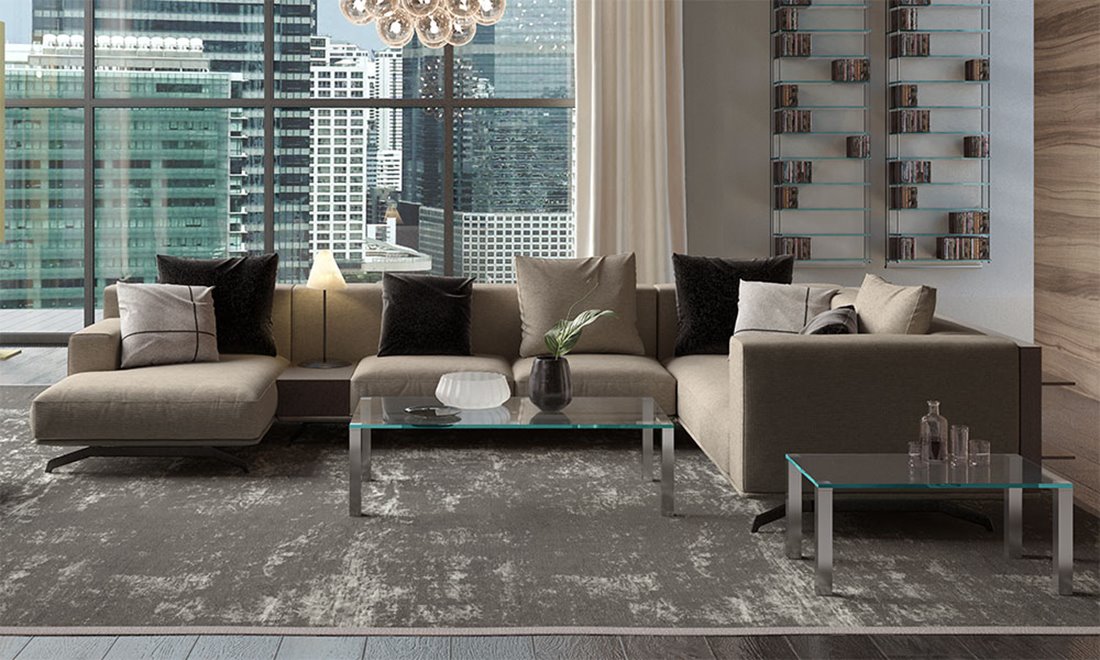
Rooms · 01
Begin with a real floor plan
Draw the fixed features and the routes that connect the room to the rest of the home. Mark the furniture you are keeping. Start with the largest useful piece, often the sofa, and leave access to windows and doors.
Do a second plan that changes only one major decision. Compare the two in normal use rather than constantly adding new pieces to the same arrangement. The best plan may keep a favorite sofa and change the depth of the table in front of it.
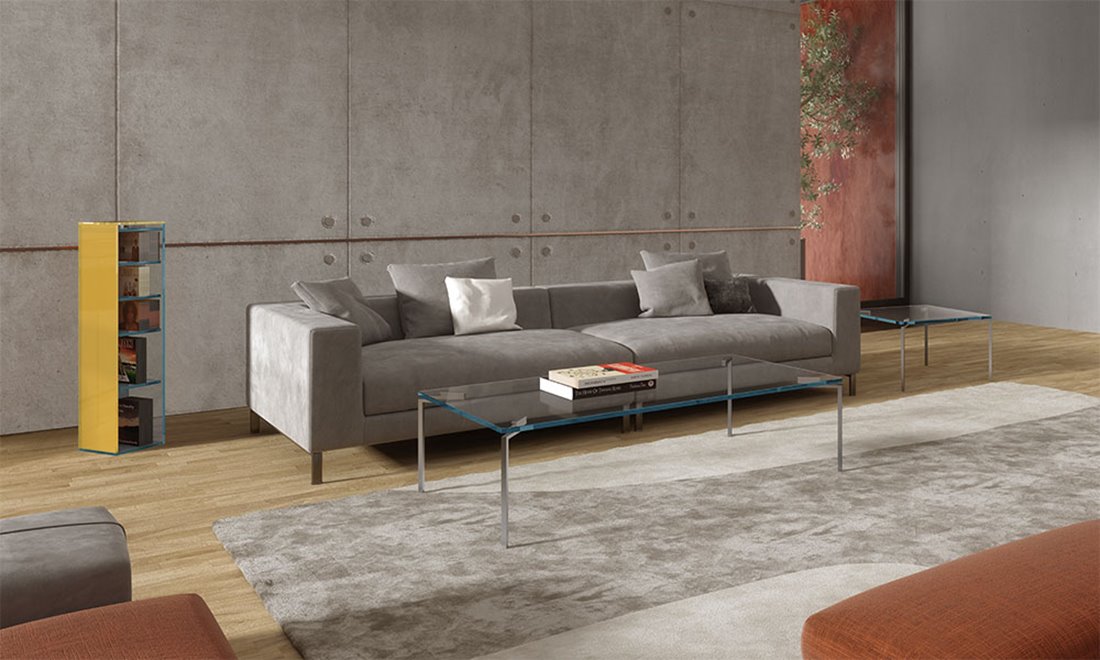
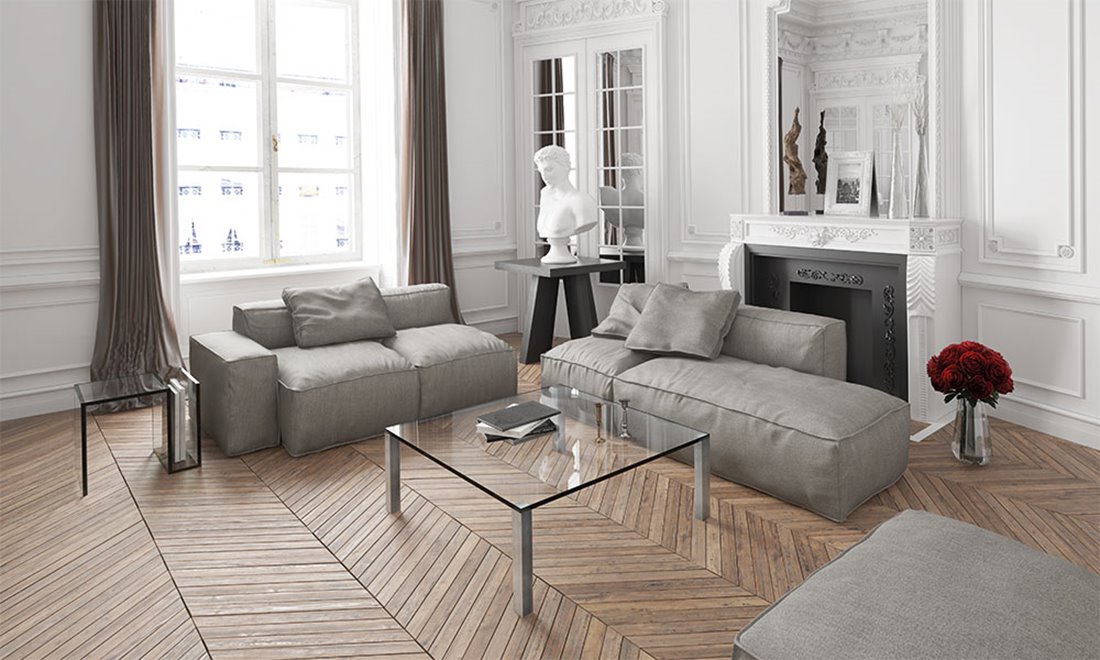
Rooms · 02
Choose the seating focus
If conversation matters most, arrange seats so people can face each other without twisting. If television is central, check the view from all regular seats and keep lamp reflections away from the screen. A room can support both, but the compromise should be deliberate.
A reading chair needs a lamp and a nearby surface; a music corner needs practical access to equipment and media. Give each activity its small working area rather than expecting one central coffee table to serve every seat.
Rooms · 03
Small and large living rooms need different decisions
In a small room, protect the main route and avoid duplicating furniture functions. A drawer beneath a useful table can remove the need for another storage piece. In a larger room, group furniture around activities rather than spreading it evenly along the walls.
A second seating area needs a purpose, such as reading or music. Repeating a material or lighting detail can connect the groups without making them identical. Leave a clear transition between them.
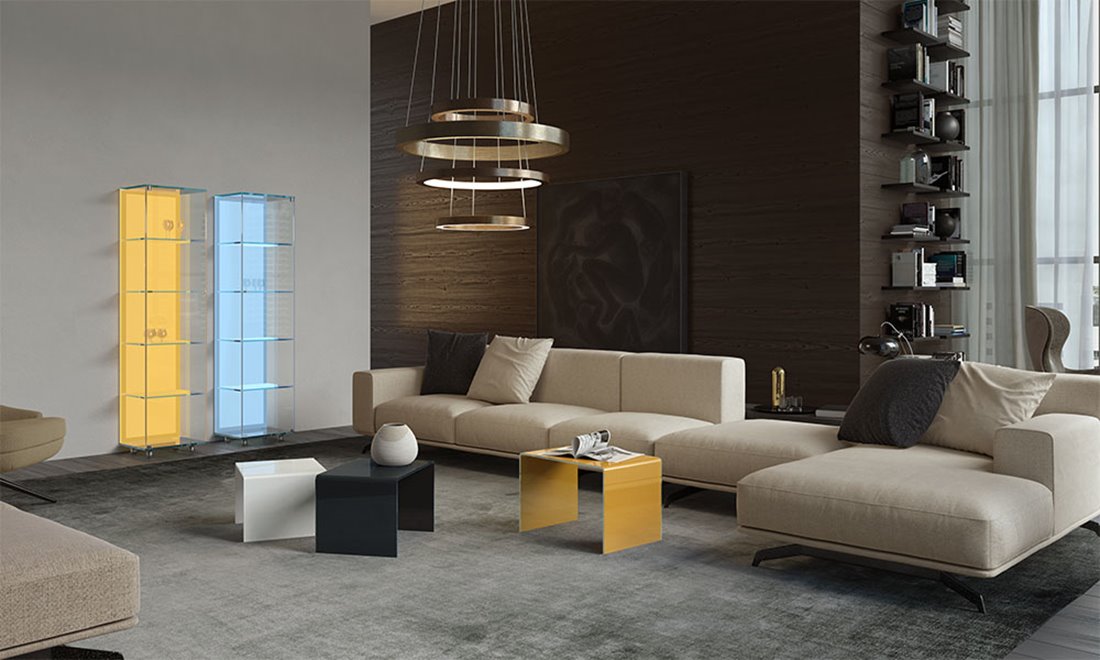
Rooms · 04
Choose a coffee table with the sofa
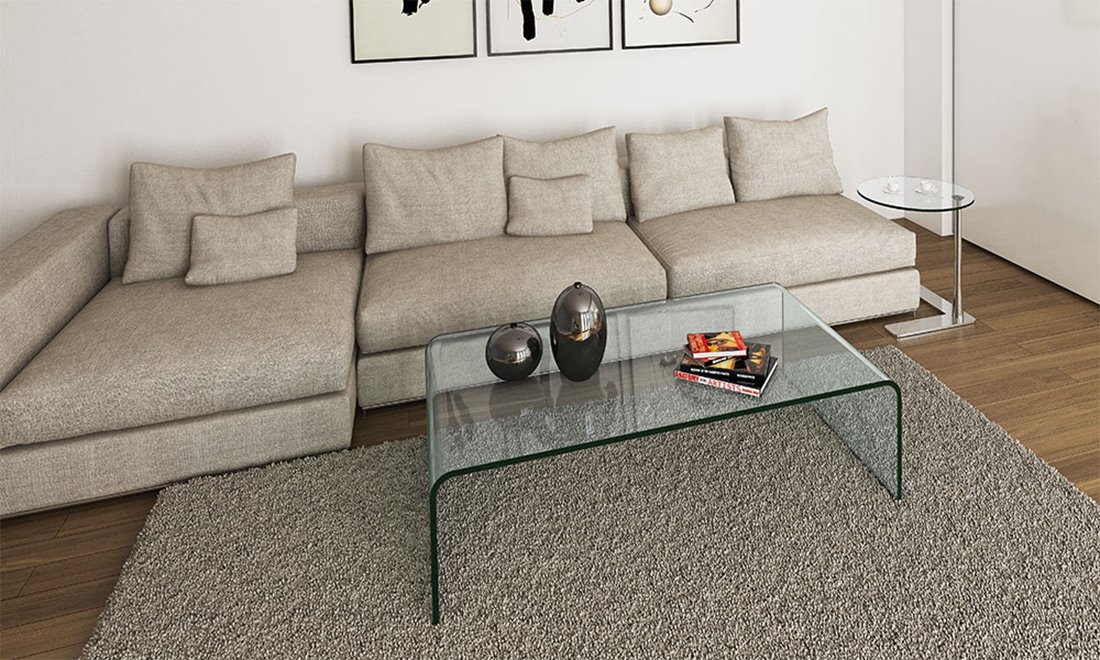
Measure occupied seat height and the open area in front of the sofa. Compare a rectangle, a round top and perhaps two smaller surfaces using taped footprints. Check every regular seat, not only the central one.
A glass top keeps more of the floor visible; a wood tray or drawer adds a different surface and storage function. Choose from use first and finish second. A visually light table can still be the wrong depth for a passage.
Rooms · 05
Separate display, equipment and everyday storage
A display cabinet is useful for selected objects; a drawer is useful for remotes, chargers and items you do not want to arrange. Make a short inventory so the furniture mix matches the room rather than a photograph.
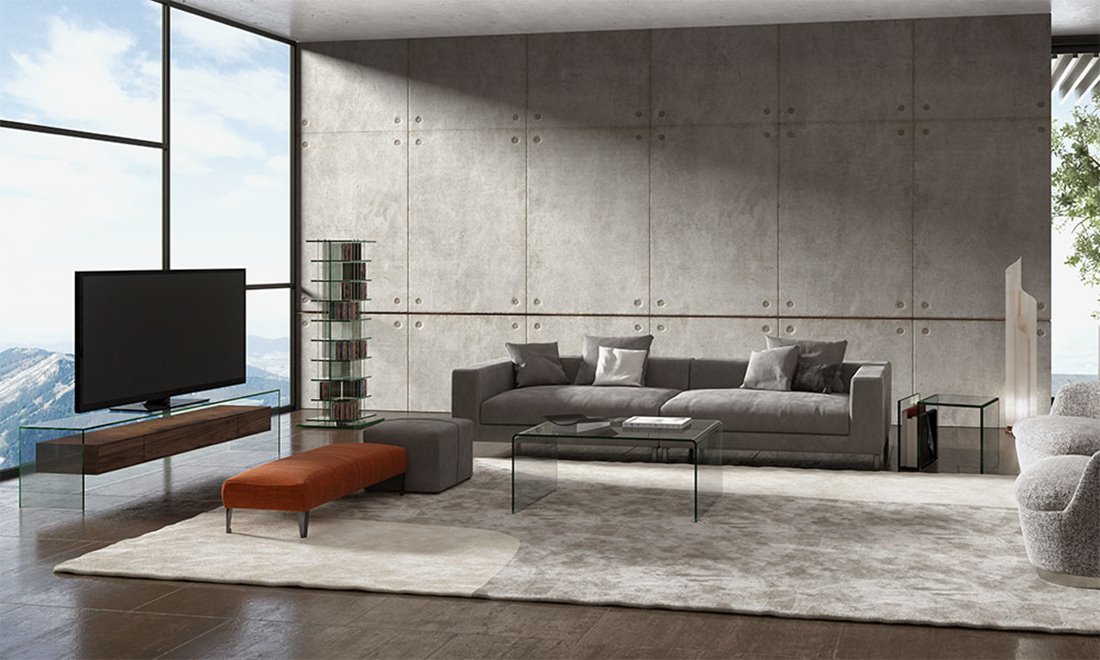
Audio and television equipment need cable access and the ventilation specified by their manufacturers. Check shelf height, equipment depth and service access. A CD collection has its own format and capacity questions, which a general bookcase dimension may not answer.
Rooms · 06
Color, materials and comfort
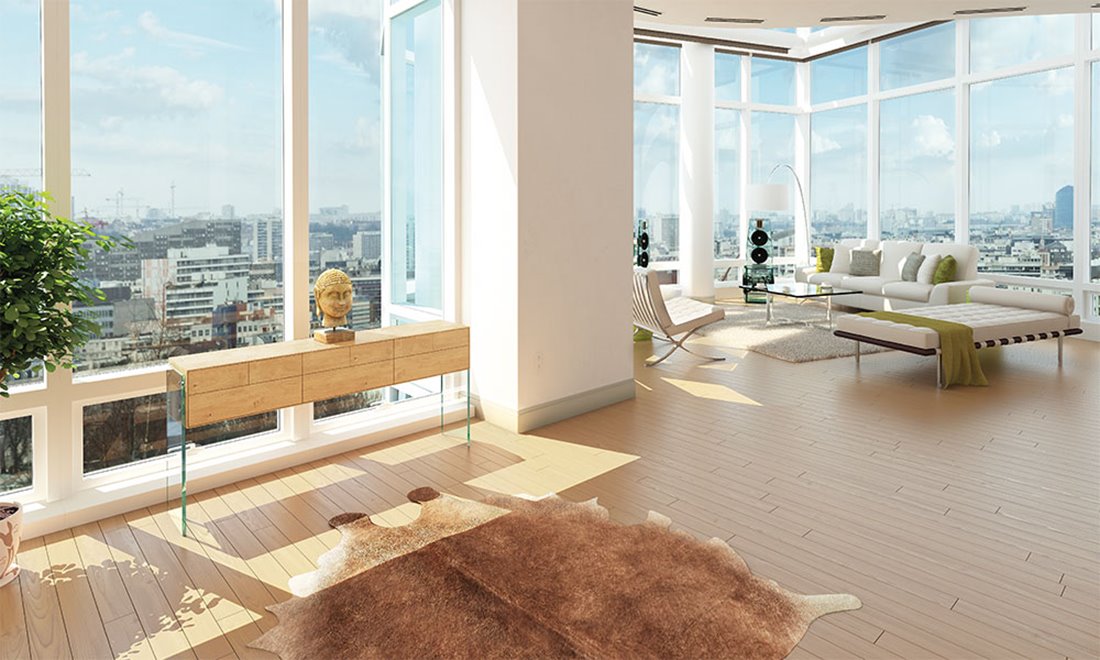
Repeat a few materials across the room: a wood drawer, a frame and one tray may be enough. Floor undertones affect how upholstery and wood appear together. View samples in the room instead of treating a catalog image as an exact match.
Use general light for movement, focused light for reading and a softer evening layer. Add textiles where they support comfort and the palette. Plants and decorative objects can finish a room, but do not need to occupy every useful surface.
Choose by the problem you want to solve
| Your situation | What to compare | What to check |
|---|---|---|
| Conversation first | Arrange reachable surfaces and seats around each other. | Avoid making the television the only layout reference. |
| Television or music | Review equipment, sightlines and cable access. | Check ventilation and lighting reflections. |
| Several activities | Create small useful groups with repeated materials. | Keep the main route between them clear. |
Try this before buying
A living room with television and a reading corner
Keep the main sofa directed toward the television, then angle one chair toward both the seating group and a reading lamp. Give that chair its own side table. Choose the central coffee table from the sofa’s reach area, and put less-used media storage outside the route to the doorway. This small division of functions is often more useful than a larger central table.
- Name the main activities
- Give regular seats reachable surfaces
- Separate display from clutter
- Test evening light from each seat
Record the version that works and keep the measurements with your photographs. If you change one item, repeat the relevant test: a different depth, finish or opening direction can affect more than its immediate position. Compare the complete arrangement with the way you actually use the room.
From the plan to a particular piece
Furniture examples from DREIECK DESIGN
These examples show different ways to address the decisions above. Compare the selected dimensions, finish and construction on the product page; photographs may show a particular version rather than every available option.
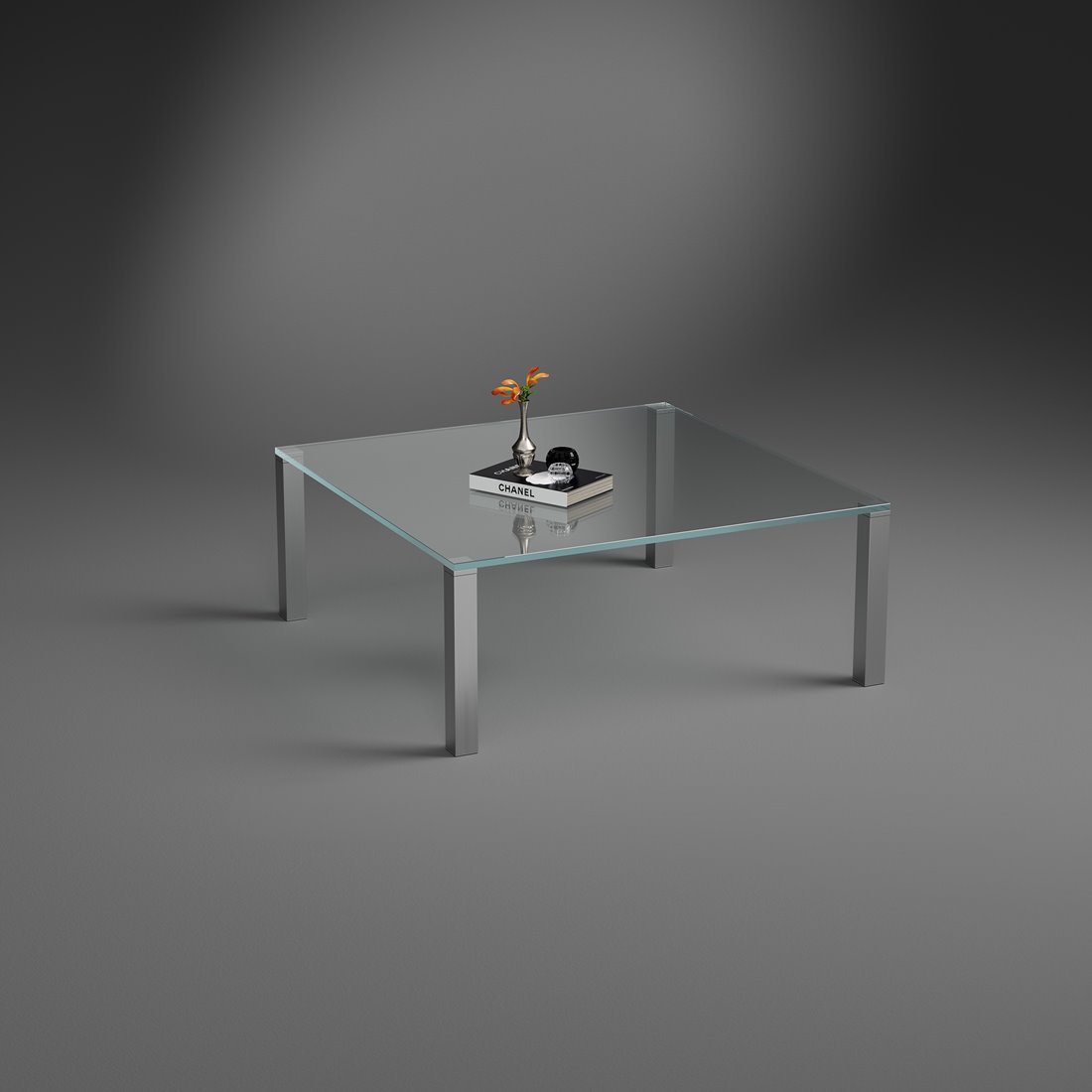
QUADRO
A defined glass-and-metal surface for the central seating group; compare its proportions with your sofa.
Check the available sizes, material combinations and relevant opening or movement space against your notes before choosing a configuration.
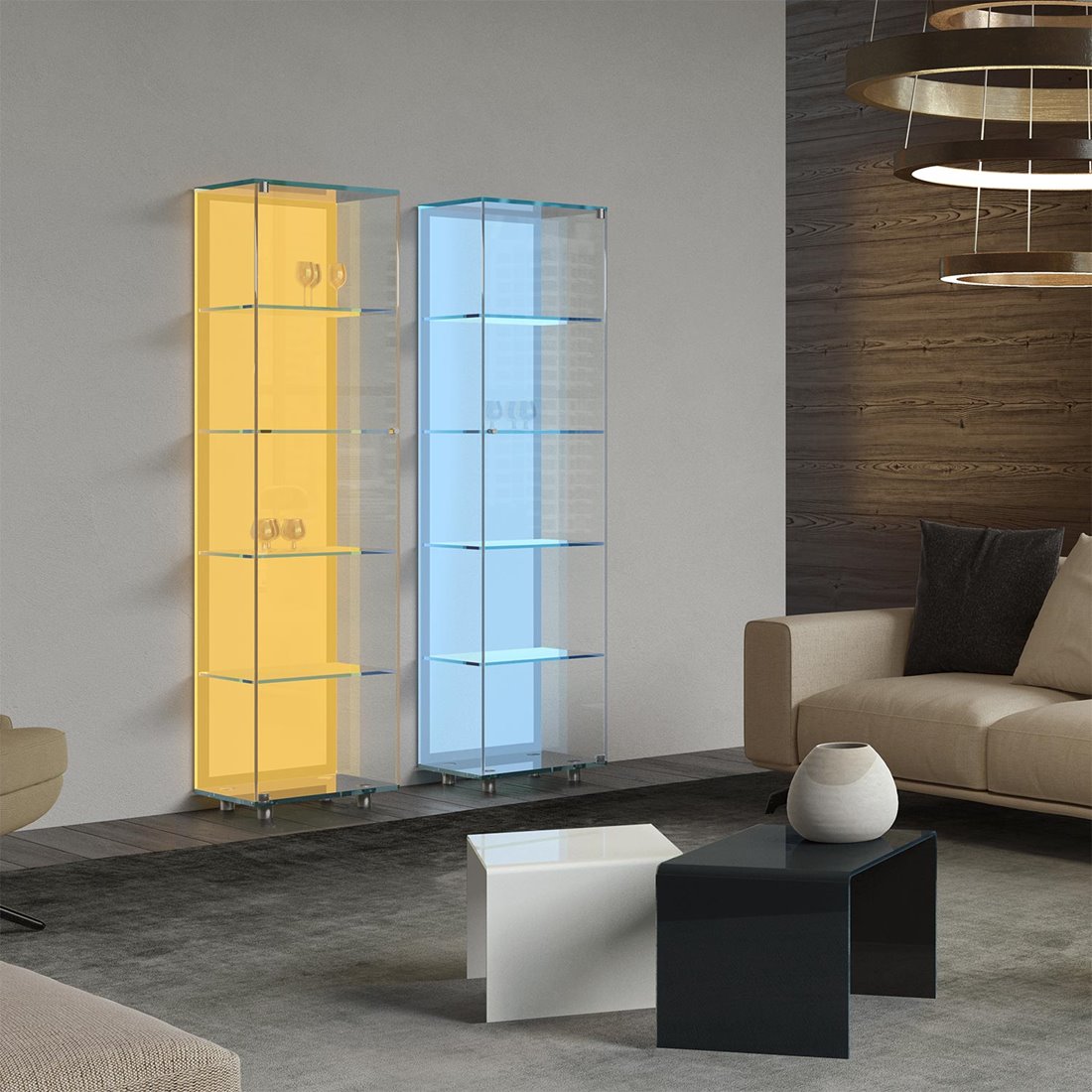
SOLUS BACKLIGHT
For an evening display focal point. Assess the lit back panel and reflections from the seats.
Check the available sizes, material combinations and relevant opening or movement space against your notes before choosing a configuration.
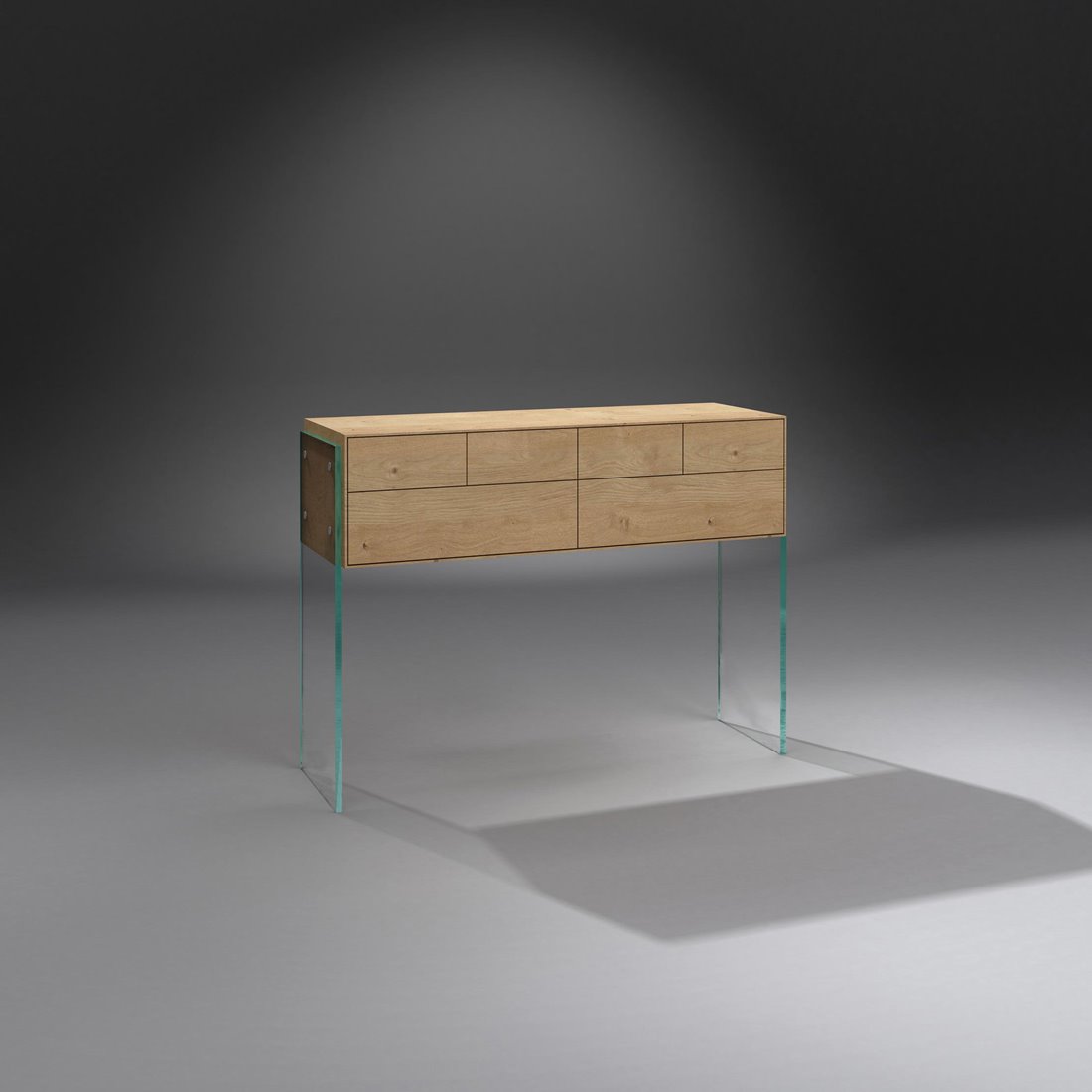
FLAIR
Wood drawers and glass can support a repeated room palette while giving everyday items a home.
Check the available sizes, material combinations and relevant opening or movement space against your notes before choosing a configuration.
Your checklist before choosing
Use these five points to turn the guide into a short furniture brief. They are worth completing before comparing a standard model with a custom design.
- Activities ranked by everyday use.
- Fixed features and furniture you intend to keep.
- Comfortable reach and routes around occupied seating.
- A home for each recurring item.
- Lighting and reflections tested from regular seats.
Three mistakes worth avoiding
Buying a matching set can lock in dimensions that do not suit the room.
Extra furniture without a clear task often reduces usable space.
Lighting should be tested from the seats, not only from the doorway.
Useful answers, in one place
Questions and answers
Open a question for a short answer and a relevant next step.
Which furniture does a living room need?
Start with seating and surfaces for the activities you actually use, then add appropriate storage and lighting. A universal furniture list is less useful than an inventory of your routine.
How do I make a large living room feel coherent?
Create purposeful groups and repeat a few materials or lighting details. Avoid distributing furniture evenly along every wall without a reason.
How should I furnish a small living room?
Protect the main route and choose fewer pieces with useful functions. Tape the footprints and check occupied seating and storage access.
How do I choose the coffee table?
Measure sofa height, usable seating width and the open area. Test shape and reach before deciding on the finish.
Should I use a glass display cabinet?
Use one when selected objects deserve accessible display space. Measure those objects and choose lighting, glass and storage accordingly.
Can I coordinate custom furniture across the room?
Yes, discuss shared colors, materials and dimensions with us. We can review several related pieces or an original furniture concept.
Continue with the question that comes next
Bring your measurements and ideas
If a standard size or finish does not solve the problem, we can discuss a different dimension, color or combination of glass, solid wood and metal. We also review original furniture designs. Describe the intended use, include room or object measurements and send photos of the pieces you want to keep.
Ask for personal furniture advice · Explore custom furniture
You can order available models directly in our online store. For a custom piece, we first agree the specification. Delivery arrangements depend on the destination; check the information for your country.
To compare selected models or materials in person, arrange a visit to our Hennef showroom by email or phone. Visits are by prior appointment only; please confirm the models or materials you want to see.