- Free Delivery in DE, AT & CH
- Made in Germany
- Individual Customisation Available


Living · Planning · Understanding materials
Light floors work with both dark and light furniture. Dark pieces give a clear outline; pale pieces produce a quieter arrangement. The best choice depends on the floor’s undertone, the room’s light and where you want visual emphasis.
Begin with the largest fixed surfaces, then choose upholstery and furniture together. A light floor is a useful backdrop, but too many nearly matching whites or several unrelated woods can make the room harder to read.
Styles · 01
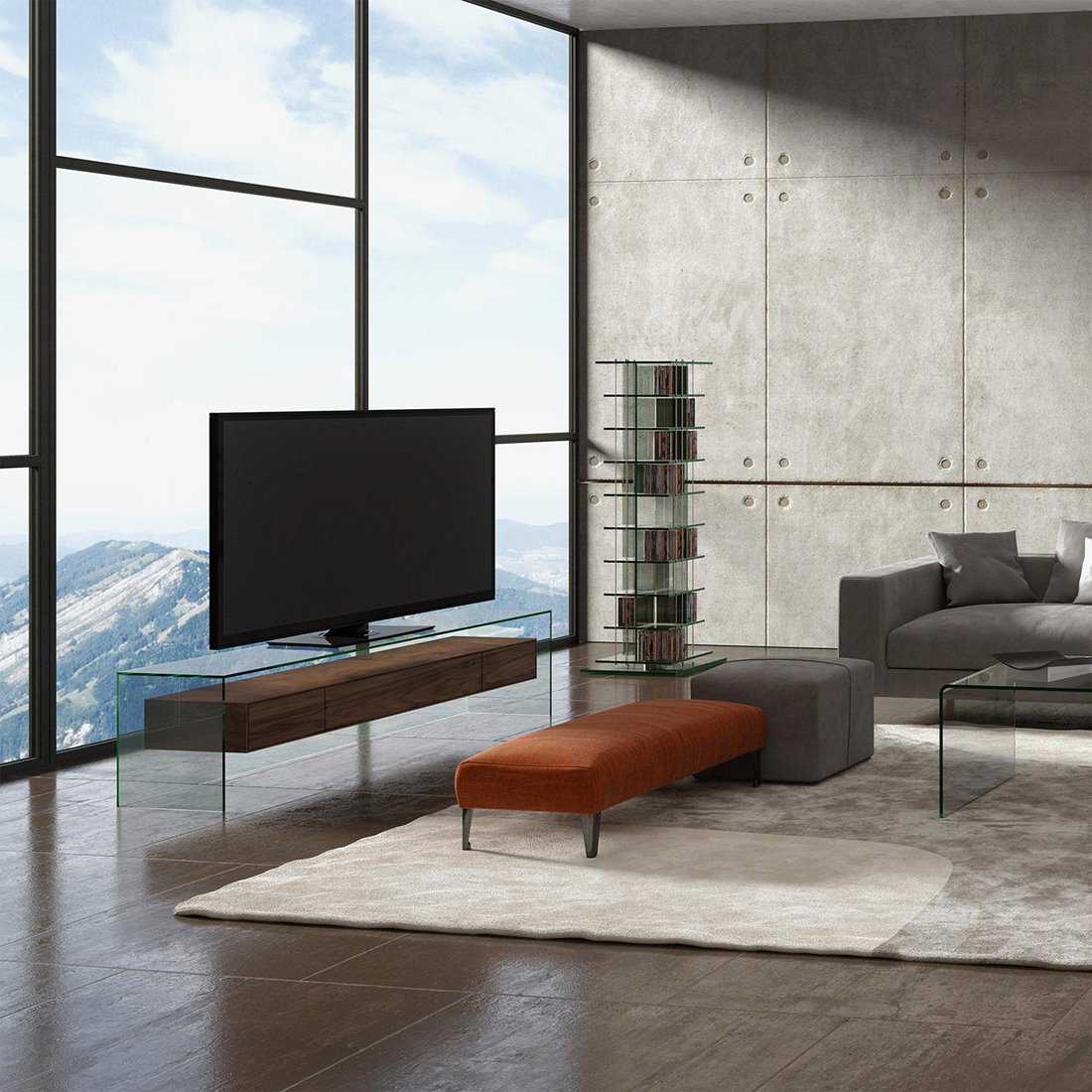
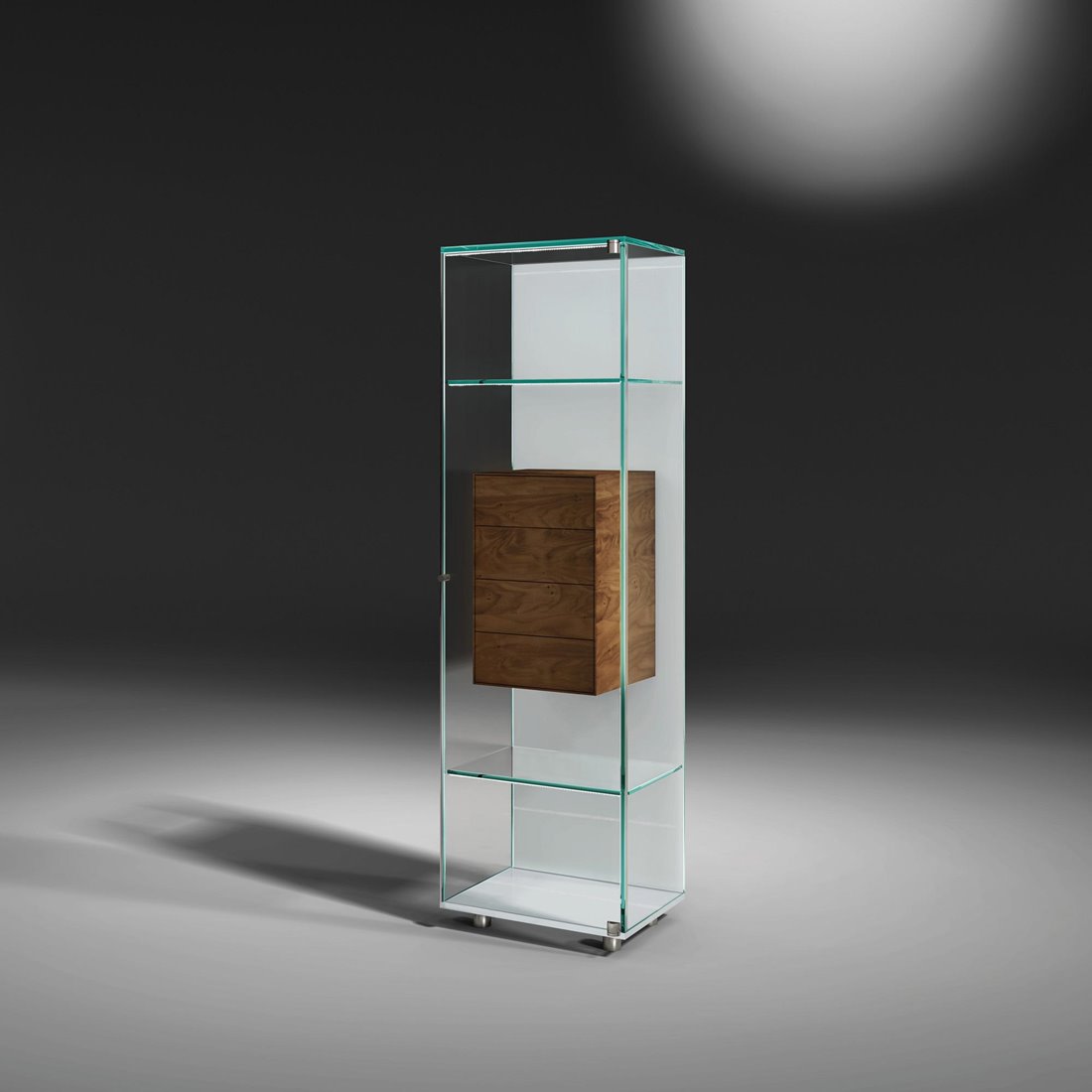
A walnut drawer, darker sofa or colored cabinet can give the room an anchor. Place that emphasis where it supports the layout rather than distributing equal dark blocks everywhere. A glass-and-wood piece can introduce contrast without covering the entire view of the floor.
Check how the darkest finish appears under artificial light. A near-black surface may read as brown or blue in your room. Repeat it in a modest detail, such as a frame or lamp, to connect the arrangement.
Styles · 02
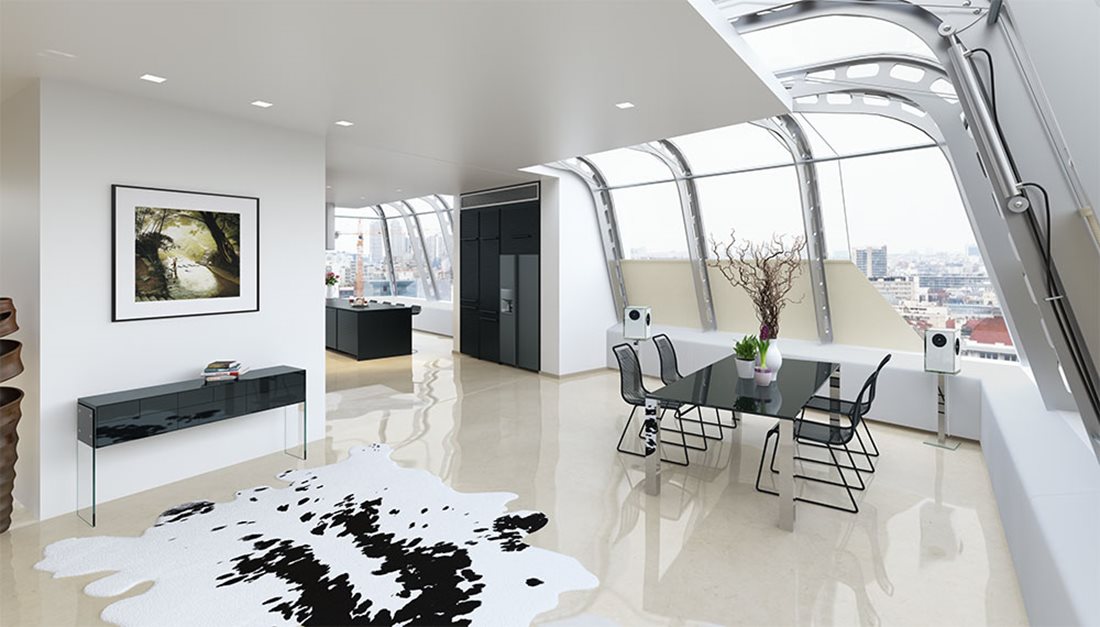
A pale-on-pale room needs differences in texture and outline. Upholstery, curtains and wood grain can distinguish neighboring surfaces even when their colors are close. Leave some empty space around larger pieces so their proportions remain clear.
If a sofa and floor look almost identical, test a rug or a slightly stronger upholstery tone. You do not need a dark contrast at every edge, but you should be able to recognize the shape and function of the main pieces.
Styles · 03
Warm white can complement pale oak; a cooler white may suit a different stone or gray floor. These are starting points rather than fixed pairings. Put the exact finish sample beside the floor and the wall color. A small mismatch becomes more noticeable across a large drawer front.
Glass can soften the transition between finishes because much of the background remains visible. Low-iron glass is worth comparing when a white or very pale finish sits directly behind it; do not assume every clear glass has the same edge color.
Styles · 04
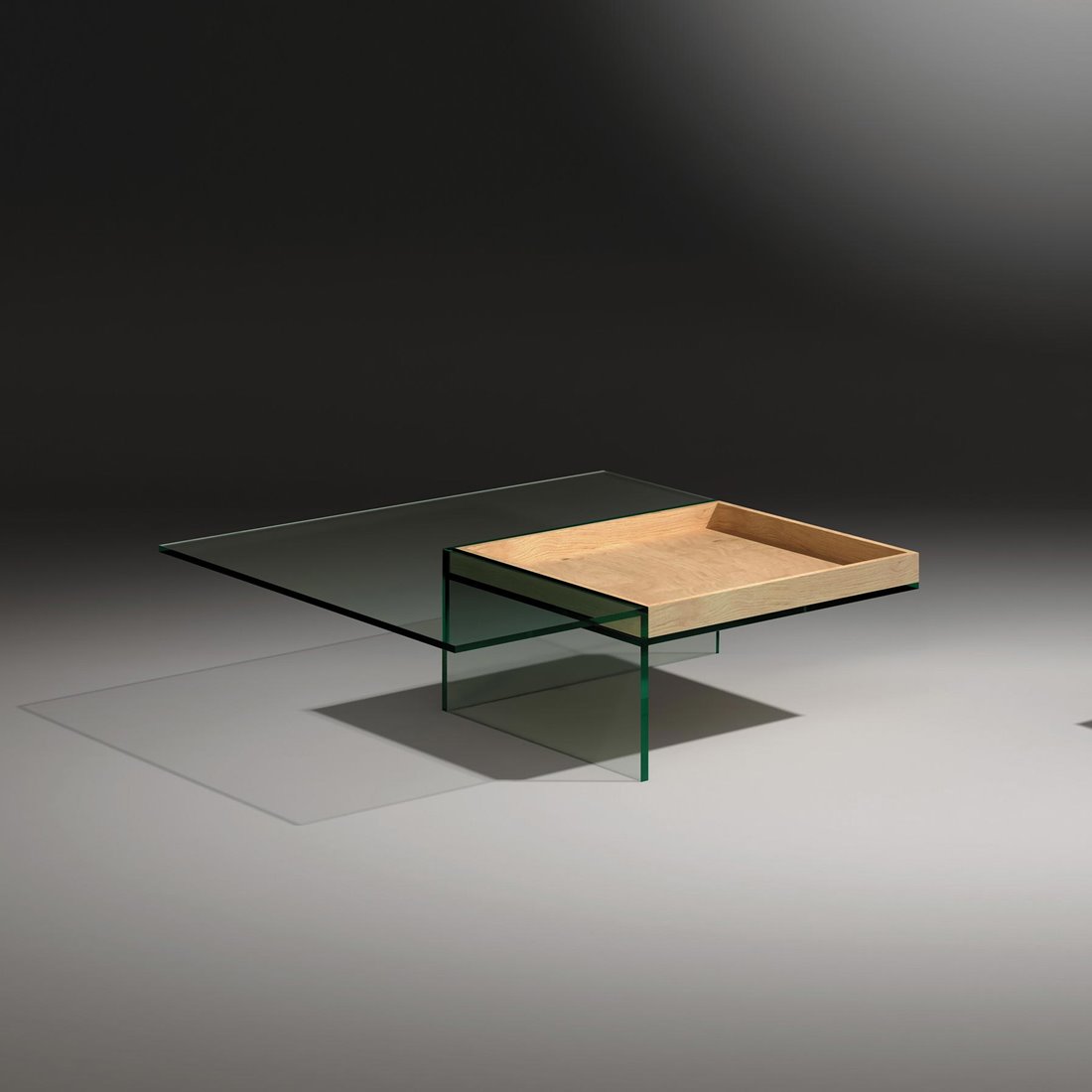
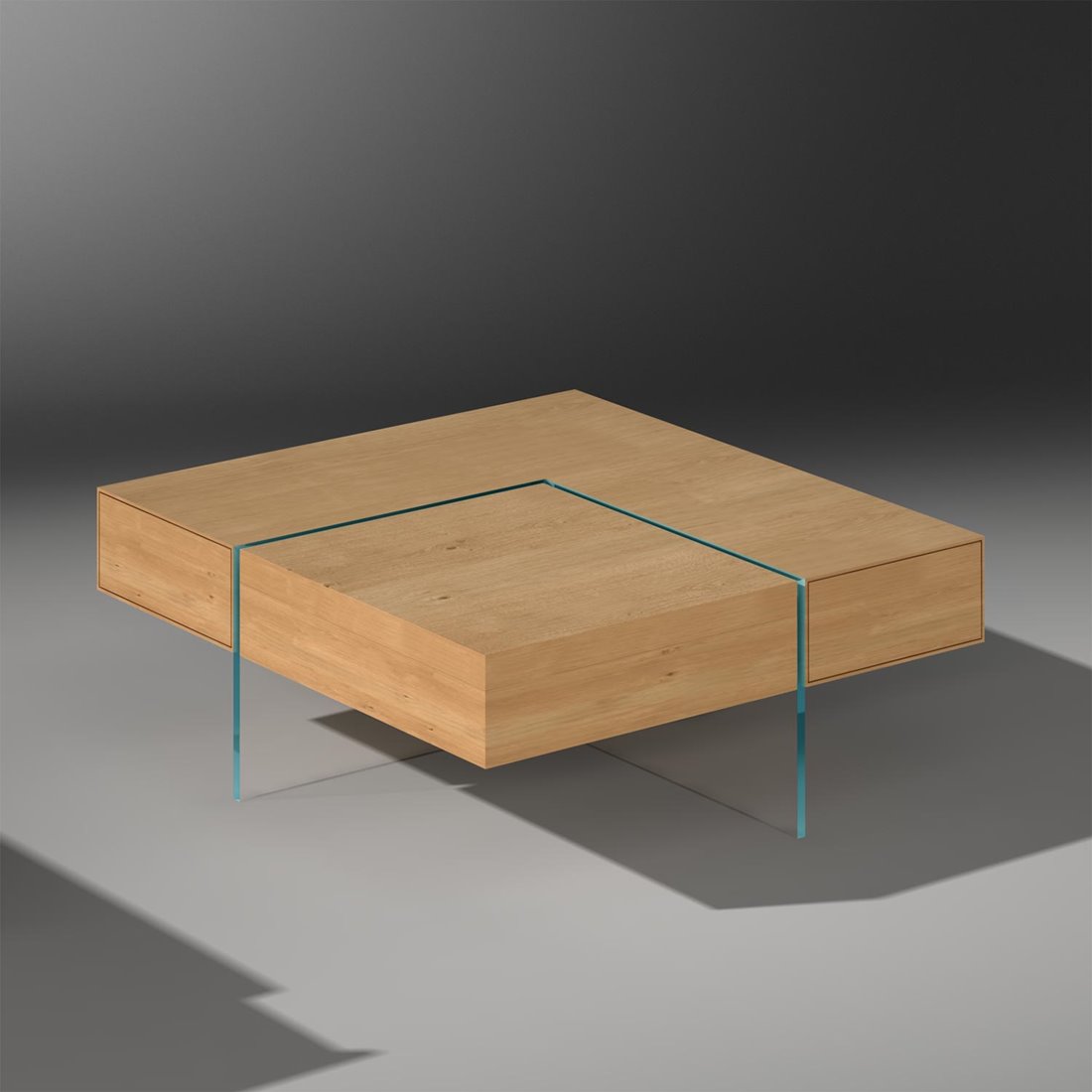
Choose one main wood finish and decide where to repeat it. A wood tray on a glass coffee table can be enough to connect a console drawer to the seating group. Textiles introduce texture without another permanent wood tone.
Avoid buying each piece as a separate style statement. Write down the two or three materials already doing most of the work, then judge any new piece against that list.
Styles · 05
For a warm pale floor, compare warm off-white, a soft earth tone and one muted color. For a cooler floor, compare warmer fabrics before adding more gray. Sample boards let you move the color beside both the floor and the sofa.
View them near the window and in the darkest corner. A photograph is useful for comparison, but the original sample remains the more dependable reference for a finish decision.
Styles · 06
Choose whether the sofa, a display cabinet or an artwork should draw attention first. Keep neighboring furniture calmer so the hierarchy remains clear. An illuminated cabinet can be an evening focal point; assess reflections and brightness from the main seats.
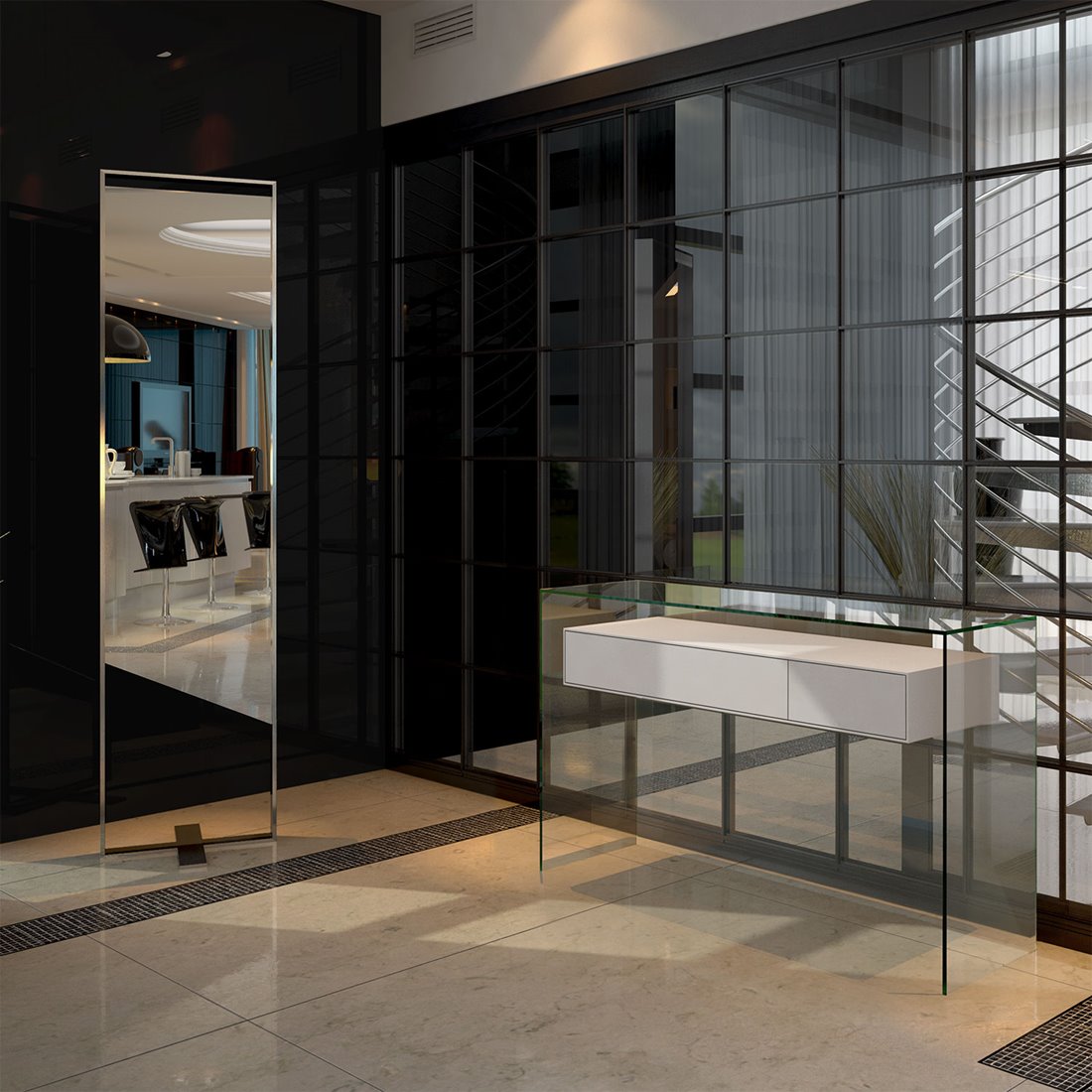
Glass furniture may keep the arrangement visually open, yet it needs the same measured footprint as any other furniture. If a pale room feels empty, add useful storage or lighting before filling every gap with decoration.
| Your situation | What to compare | What to check |
|---|---|---|
| Pale-on-pale | Introduce texture and a clear focal point. | Check near-matching whites together. |
| Stronger contrast | Use a deliberate darker wood or colored piece. | Repeat it selectively rather than everywhere. |
| Mixed woods | Choose one main grain and compare undertones. | Judge samples beside the real floor. |
Try this before buying
Try pale oak with oatmeal fabric and a warm white drawer; then compare walnut, pale upholstery and clear glass; finally test a quieter pale-on-pale scheme with a textured rug. Keep the floor, wall sample and lamp setting unchanged so you are comparing furniture choices rather than three different lighting conditions.
Record the version that works and keep the measurements with your photographs. If you change one item, repeat the relevant test: a different depth, finish or opening direction can affect more than its immediate position. Compare the complete arrangement with the way you actually use the room.
From the plan to a particular piece
These examples show different ways to address the decisions above. Compare the selected dimensions, finish and construction on the product page; photographs may show a particular version rather than every available option.
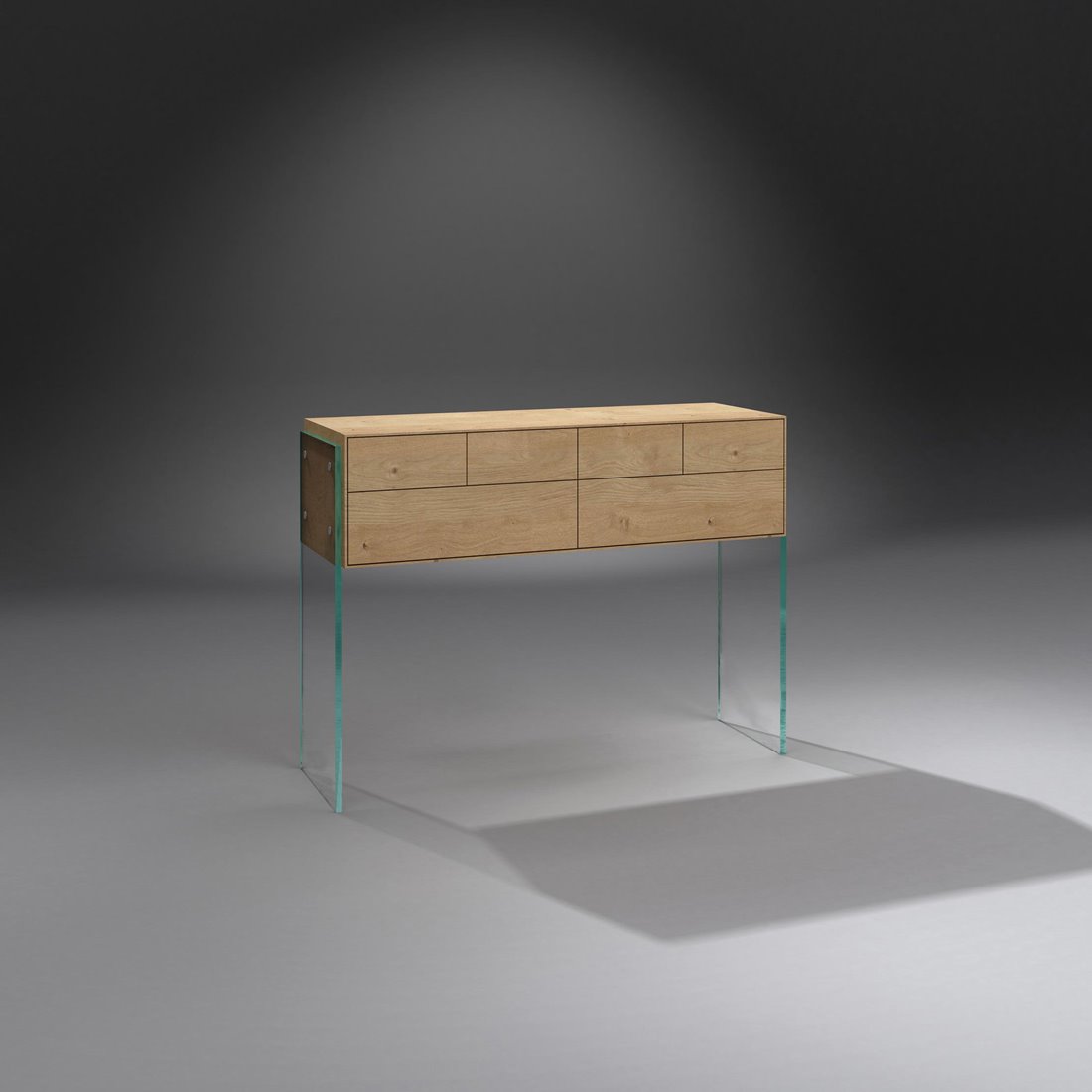
Compare the wood and glass combination with your floor; use the drawers for a calmer visible surface.
Check the available sizes, material combinations and relevant opening or movement space against your notes before choosing a configuration.
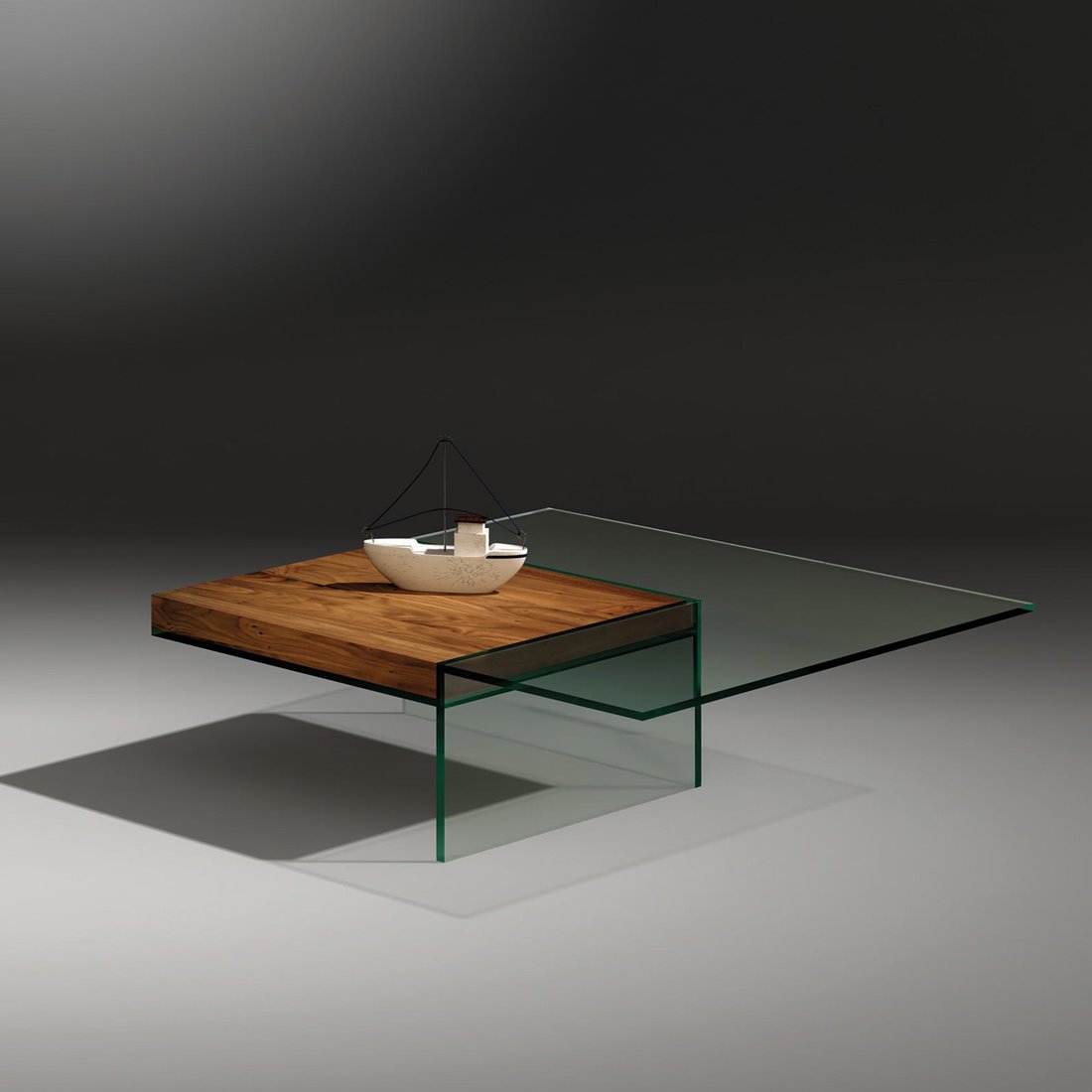
A wood tray introduces a focused material accent while keeping a glass tabletop.
Check the available sizes, material combinations and relevant opening or movement space against your notes before choosing a configuration.
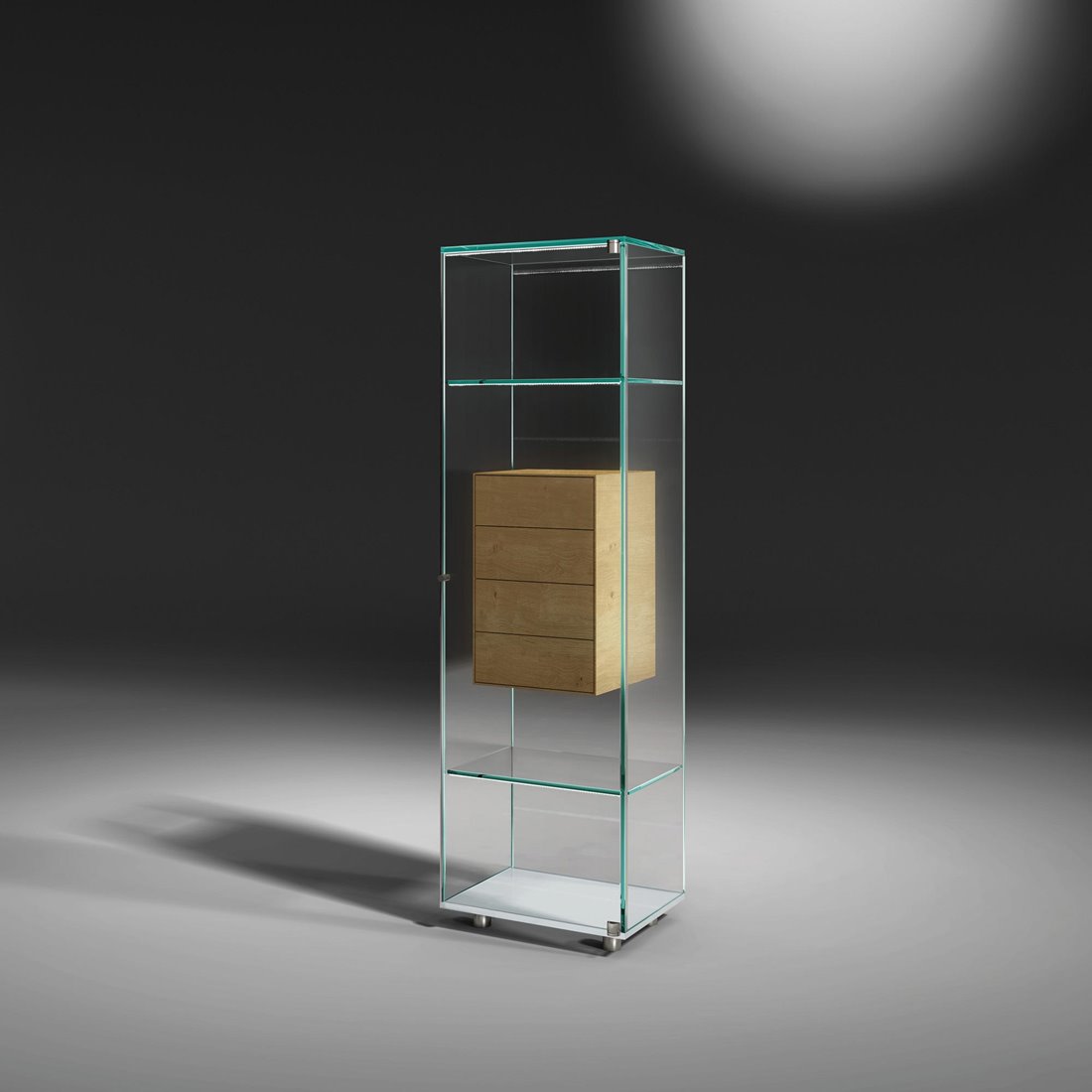
Wood drawers beneath glass display space can anchor a light room without an entirely solid cabinet.
Check the available sizes, material combinations and relevant opening or movement space against your notes before choosing a configuration.
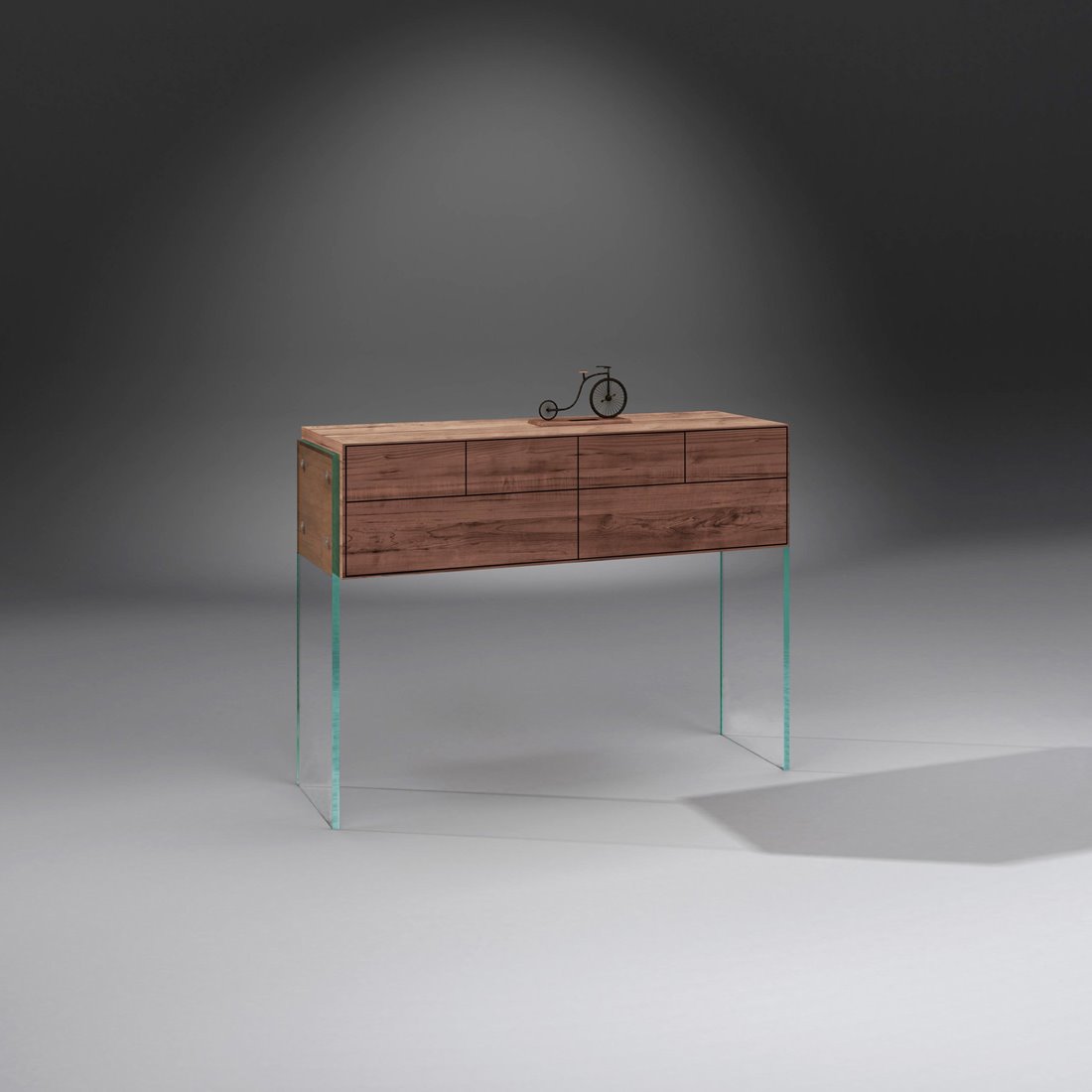
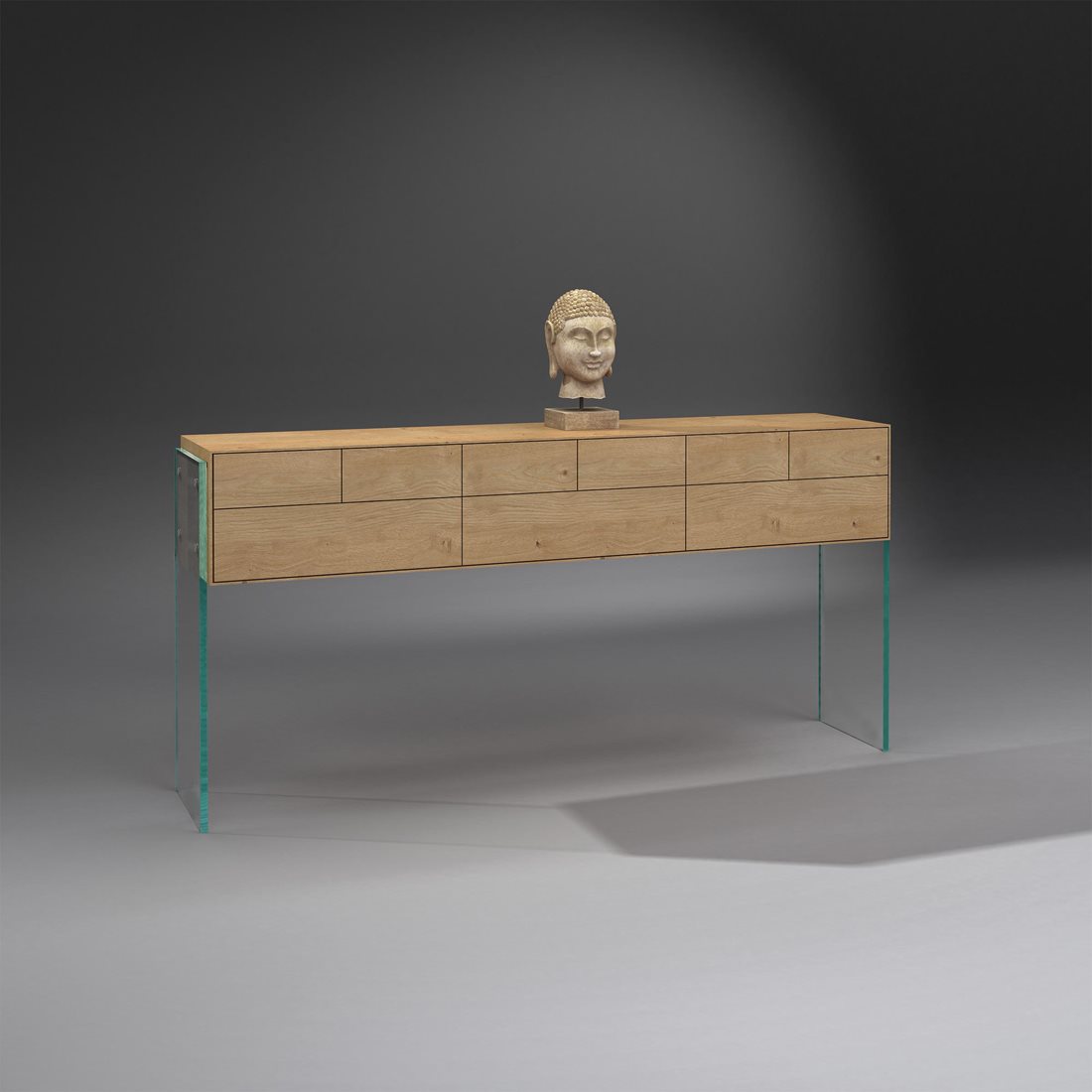
Use these five points to turn the guide into a short furniture brief. They are worth completing before comparing a standard model with a custom design.
White finishes can differ enough to look unrelated beside each other.
A dark piece should support the layout, not merely provide contrast.
Transparent furniture still needs full space for doors, drawers and movement.
Useful answers, in one place
Open a question for a short answer and a relevant next step.
Yes. A darker sofa, wood drawer or console can give definition. Repeat the finish selectively and check its undertone beside the actual floor.
Yes, but compare the whites of furniture, walls and flooring together. Texture and a clear outline help a pale scheme feel considered.
Several woods can work. Choose by undertone and grain, then repeat the chosen finish deliberately rather than assuming every pale wood matches.
Use texture, one stronger focal point and lighting at different levels. Contrast can come from grain and form as well as from dark color.
Add one if it helps the seating arrangement, comfort or palette. Test its size against the sofa and table; it does not have to cover most of the room.
Discuss your proposed color and material combination with us. Photos are useful for context; exact samples are better for a precise finish decision.
If a standard size or finish does not solve the problem, we can discuss a different dimension, color or combination of glass, solid wood and metal. We also review original furniture designs. Describe the intended use, include room or object measurements and send photos of the pieces you want to keep.
Ask for personal furniture advice · Explore custom furniture
You can order available models directly in our online store. For a custom piece, we first agree the specification. Delivery arrangements depend on the destination; check the information for your country.
To compare selected models or materials in person, arrange a visit to our Hennef showroom by email or phone. Visits are by prior appointment only; please confirm the models or materials you want to see.