- Free Delivery in DE, AT & CH
- Made in Germany
- Individual Customisation Available


Living · Planning · Understanding materials
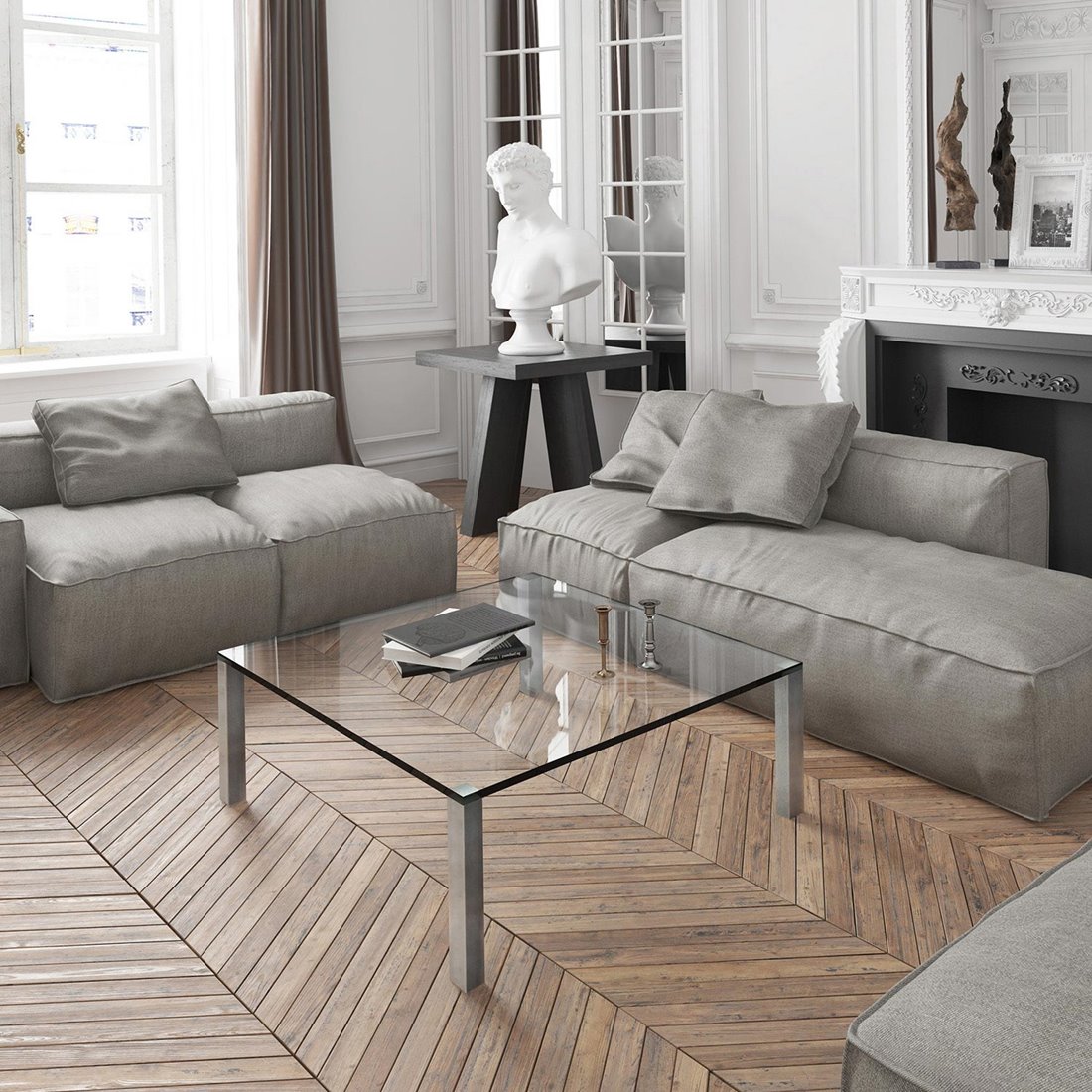
For ordinary uncoated clear glass, begin with clean water, a small amount of suitable mild cleaner and a clean, soft cloth. Remove loose particles first, clean the surface and dry it with a separate cloth. Too much cleaner or a dirty cloth often leaves the marks you are trying to remove.
Identify the finish before using a stronger product. A furniture piece may combine clear glass with satin, lacquer, wood, metal, bonded joints and electrical lighting. A cleaner suitable for the glass is not automatically suitable for every adjacent part.
Materials · 01
Use separate soft cloths for washing and drying, plus a clean container for water if needed. Check the cloth for grit and old residue before touching the surface. A cloth that has cleaned a dirty floor or metal hardware is a poor choice for the glass top.
Read the furniture care instructions and cleaner label. Use only a product compatible with the exact finish. Start with the mildest effective method; cleaning strength is not a substitute for removing particles carefully.
Materials · 02
Lift or gently remove loose dust before wiping. Avoid pressing dry grit across the surface. Move ornaments carefully and check their undersides, felt pads and trays for trapped particles before putting them back.
On a cabinet, remove the displayed objects one section at a time and keep them supported nearby. Do not take out shelves or doors unless the product instructions describe how to do so safely.
Materials · 03
Apply a modest amount of suitable cleaner to the cloth so you can control moisture near wood, fittings, joints and lighting. Clean the accessible surface methodically, then change the cloth or water if it becomes dirty.
For a table, include the underside where reachable without lifting or dismantling the furniture. Work with the surface cool and out of strong direct sunlight where possible so the liquid does not dry before you can finish.
Materials · 04
Dry with a separate clean cloth and inspect the glass under oblique light. Marks on the underside can look like marks on the top; identify which side needs another pass rather than repeatedly polishing the wrong one.
If streaks remain, reduce cleaner, replace the drying cloth and remove residue with the approved mild method. Repeating a stronger product can add more film instead of improving the result.
Materials · 05
Satin surfaces and coatings need their specific instructions. Avoid assuming that a spot treatment approved for ordinary clear glass is suitable. Spread the approved cleaning method consistently rather than repeatedly scrubbing a small mark.
Keep lacquered drawer fronts, oiled wood and metal finishes out of overspray. Clean each with its own approved method and cloth. Dry accidental moisture promptly. Do not flood bonded joints, handles or electrical components.
Materials · 06
Do not make steel wool, abrasive pads, scraping blades or polishing pastes your default furniture-cleaning method. They can cause damage or conflict with the finish instructions. For a persistent mark, identify the surface and ask for product-specific advice before proceeding.
Vinegar or alcohol is not a universal furniture cleaner, even if some glass instructions allow it. Adjacent finishes may not tolerate it. A scratch is different from residue: do not attempt household polishing or treat a chipped edge as a stain.
| Your situation | What to compare | What to check |
|---|---|---|
| Ordinary clear glass | Use the approved mild cleaning method. | Remove grit and use separate clean cloths. |
| Satin or coated surface | Read the exact finish instructions. | Do not transfer a spot treatment from another glass type. |
| Persistent mark or chip | Identify the issue and request advice. | Do not default to scraping or household polishing. |
Try this before buying
Check both sides under a lamp from the seated position. If the underside is clean but the top has a uniform film, use a fresh cloth and less of the approved cleaner. If a mark remains sharply visible in the same place, stop and identify it before scrubbing; it may be a scratch or a surface-specific issue rather than leftover dirt.
Record the version that works and keep the measurements with your photographs. If you change one item, repeat the relevant test: a different depth, finish or opening direction can affect more than its immediate position. Compare the complete arrangement with the way you actually use the room.
From the plan to a particular piece
These examples show different ways to address the decisions above. Compare the selected dimensions, finish and construction on the product page; photographs may show a particular version rather than every available option.
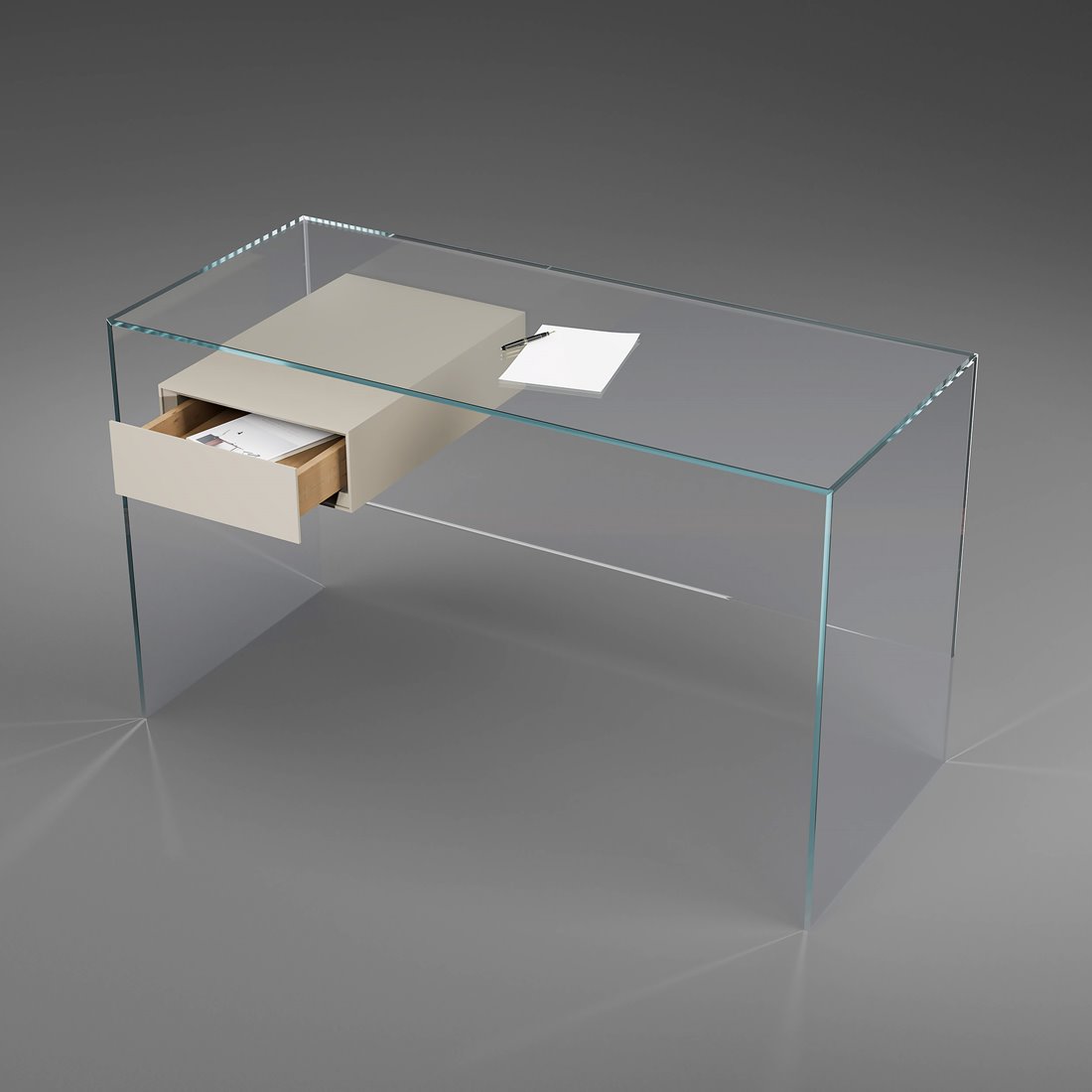
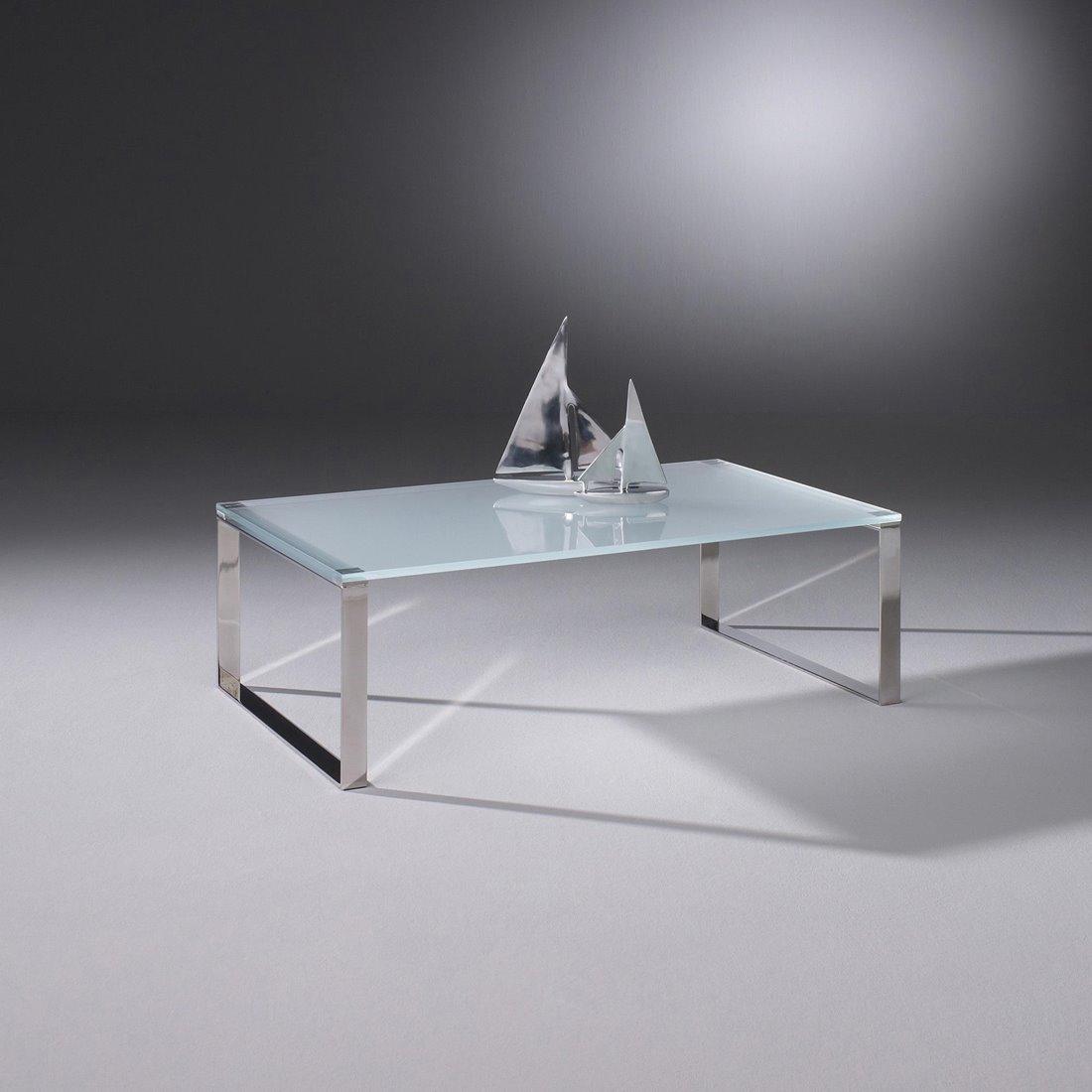
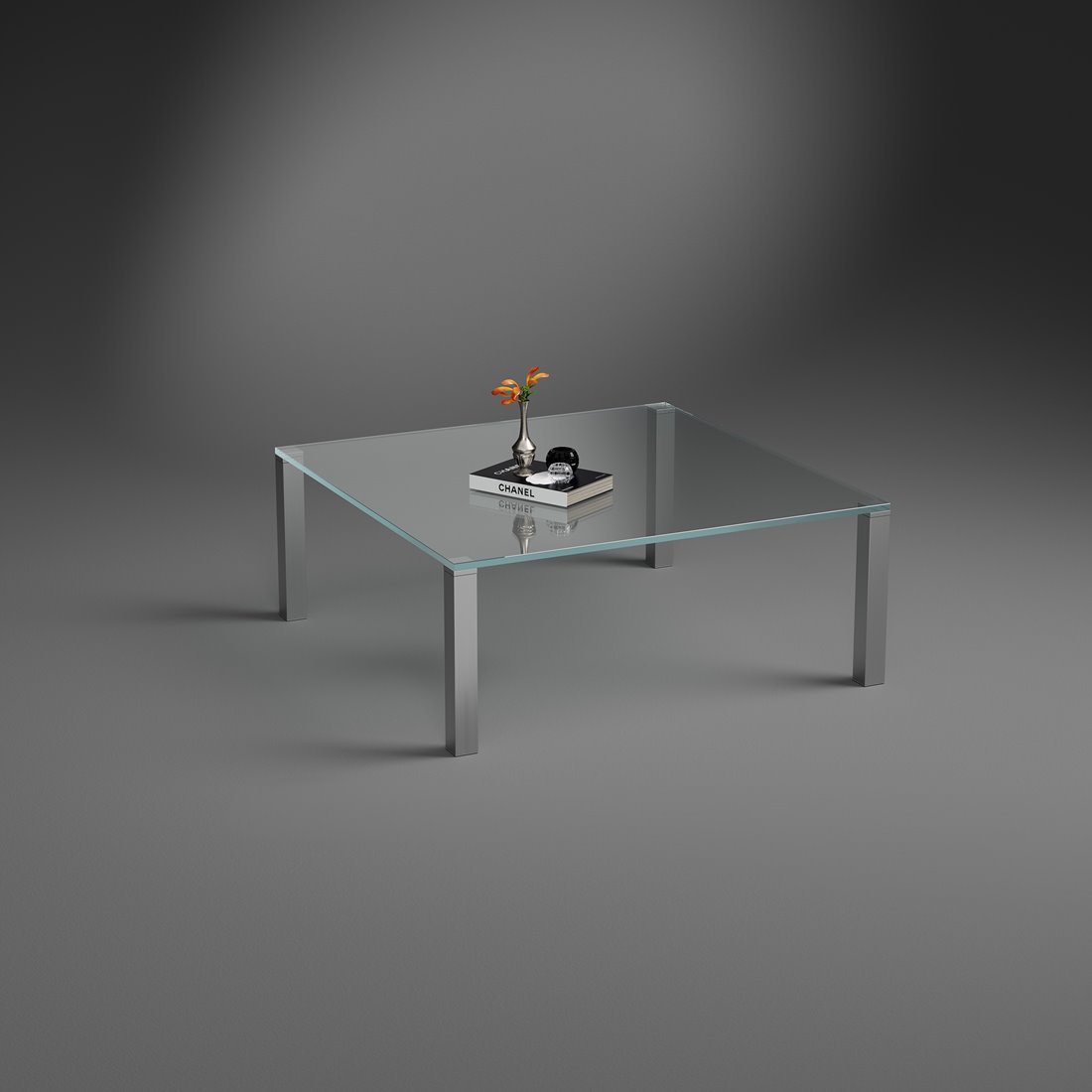
Its glass and metal components illustrate why the complete material combination matters when choosing cleaners.
Check the available sizes, material combinations and relevant opening or movement space against your notes before choosing a configuration.
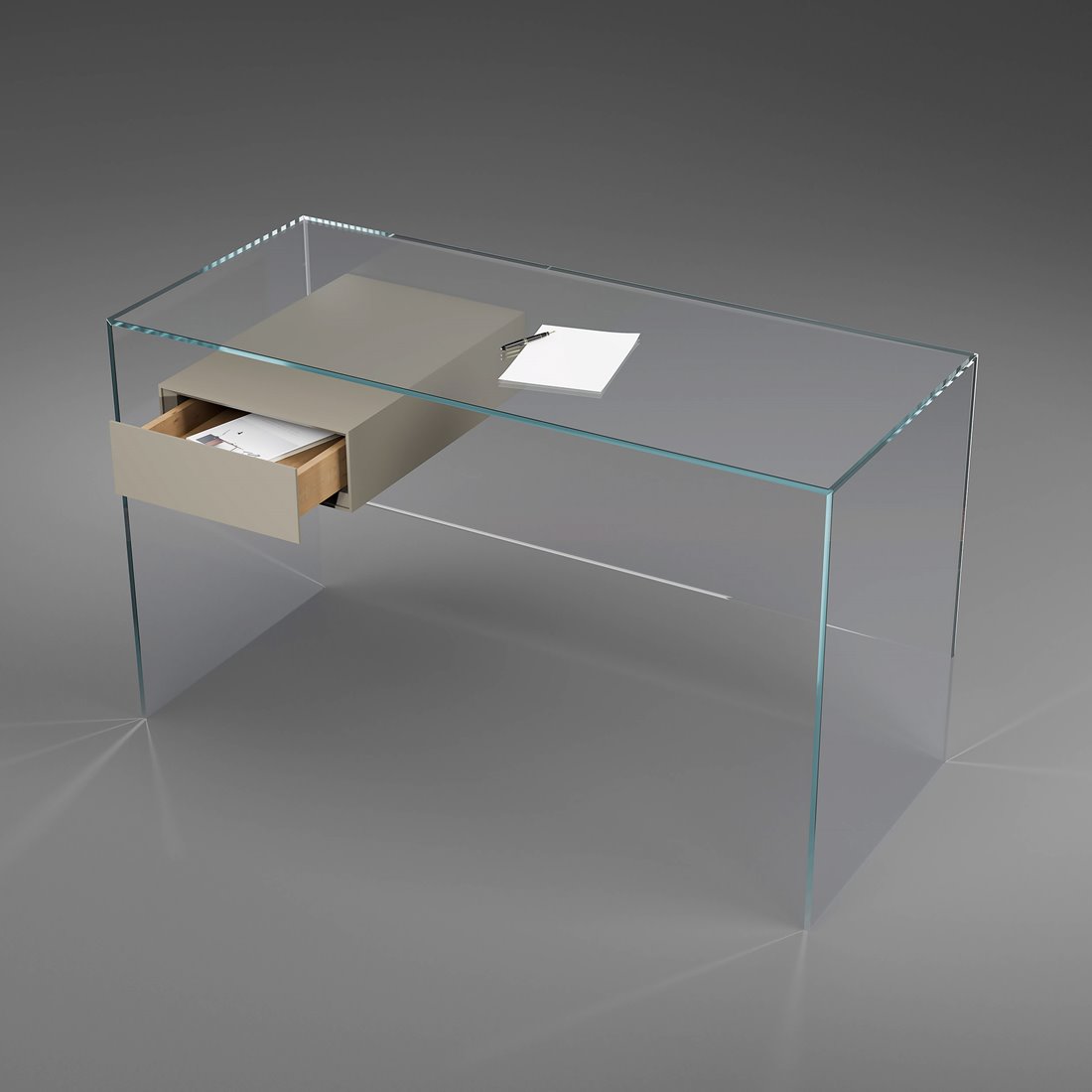
A glass working surface with drawer options needs separate care for the glass and the specified drawer finish.
Check the available sizes, material combinations and relevant opening or movement space against your notes before choosing a configuration.
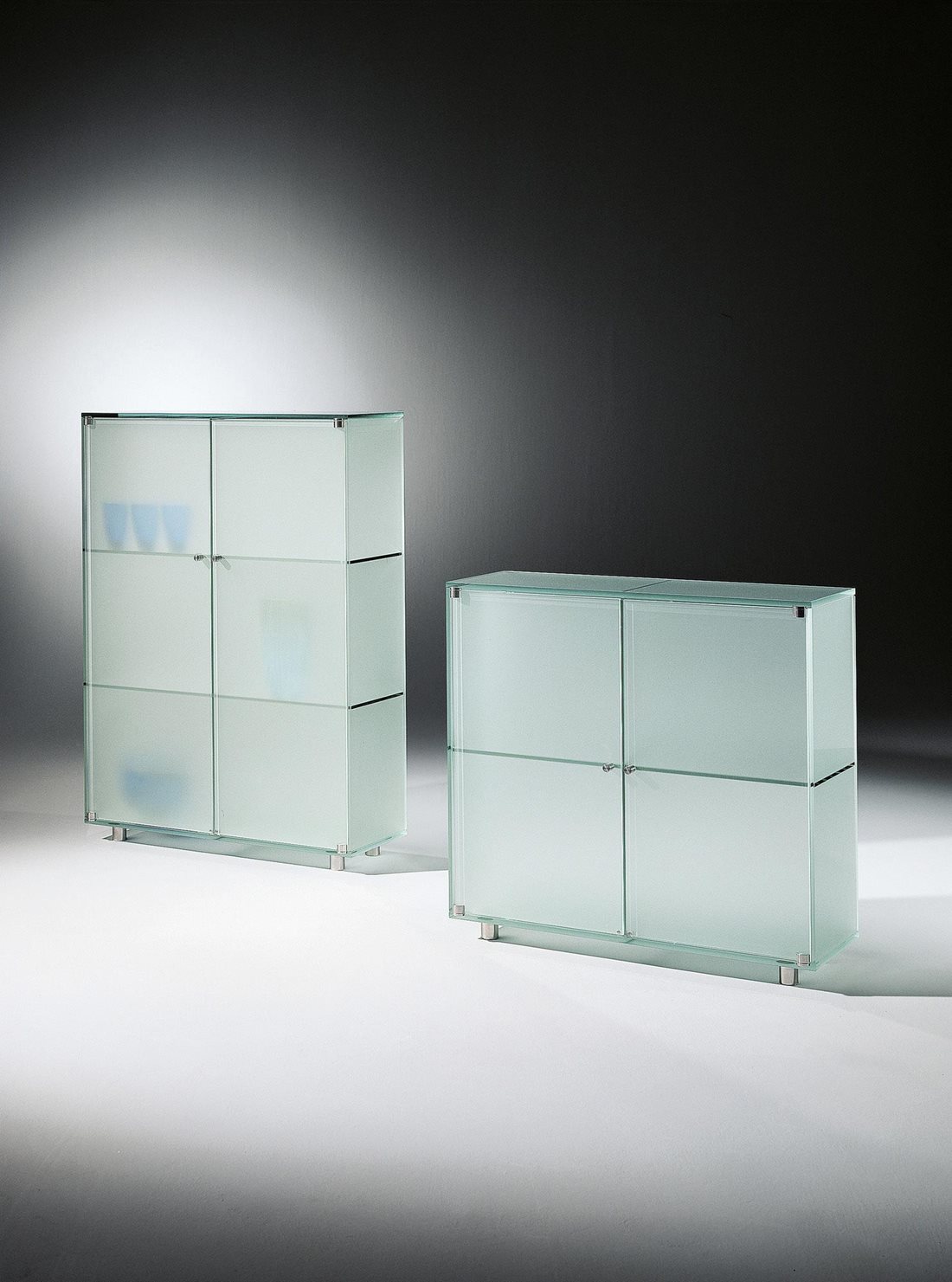
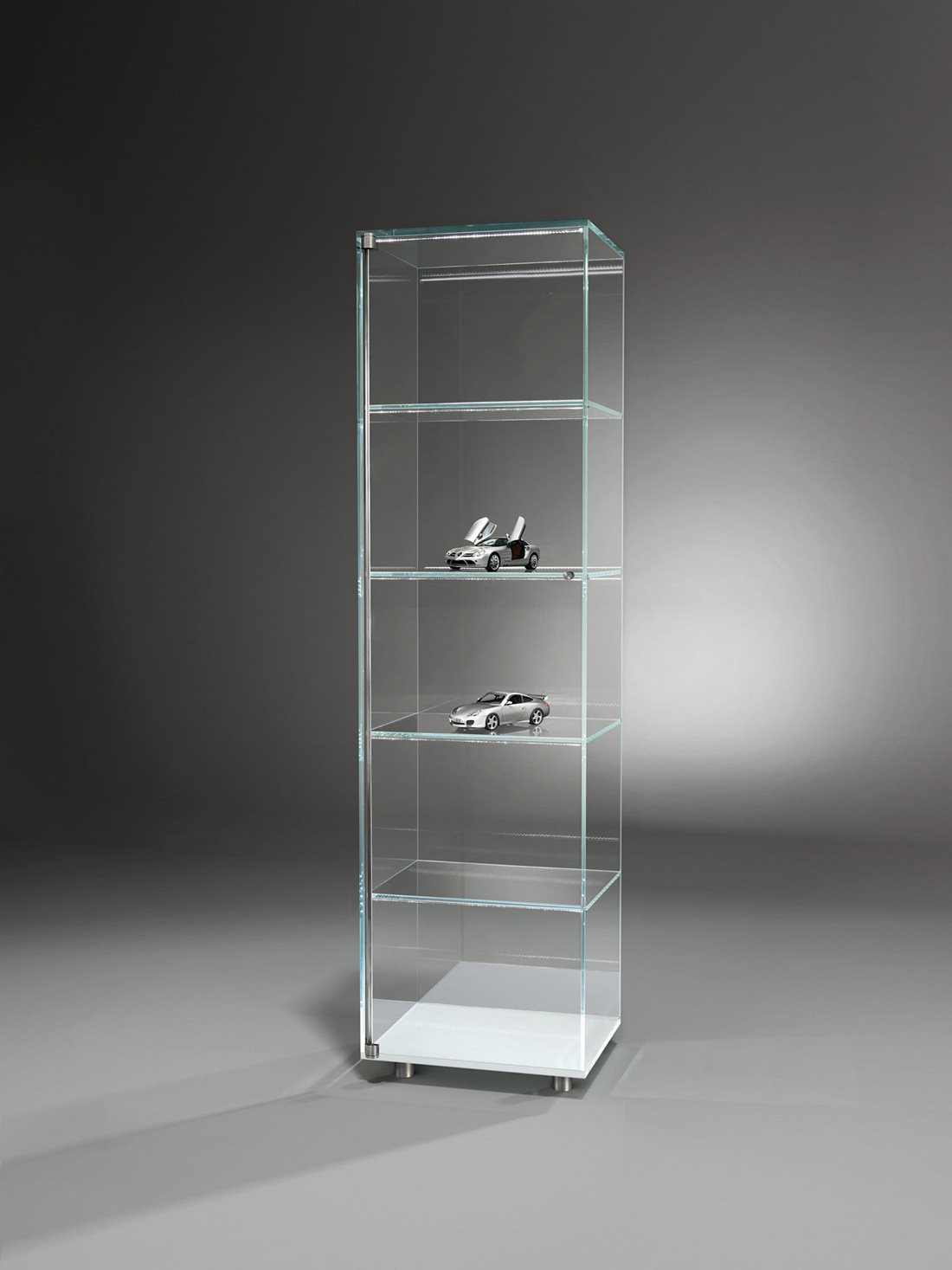
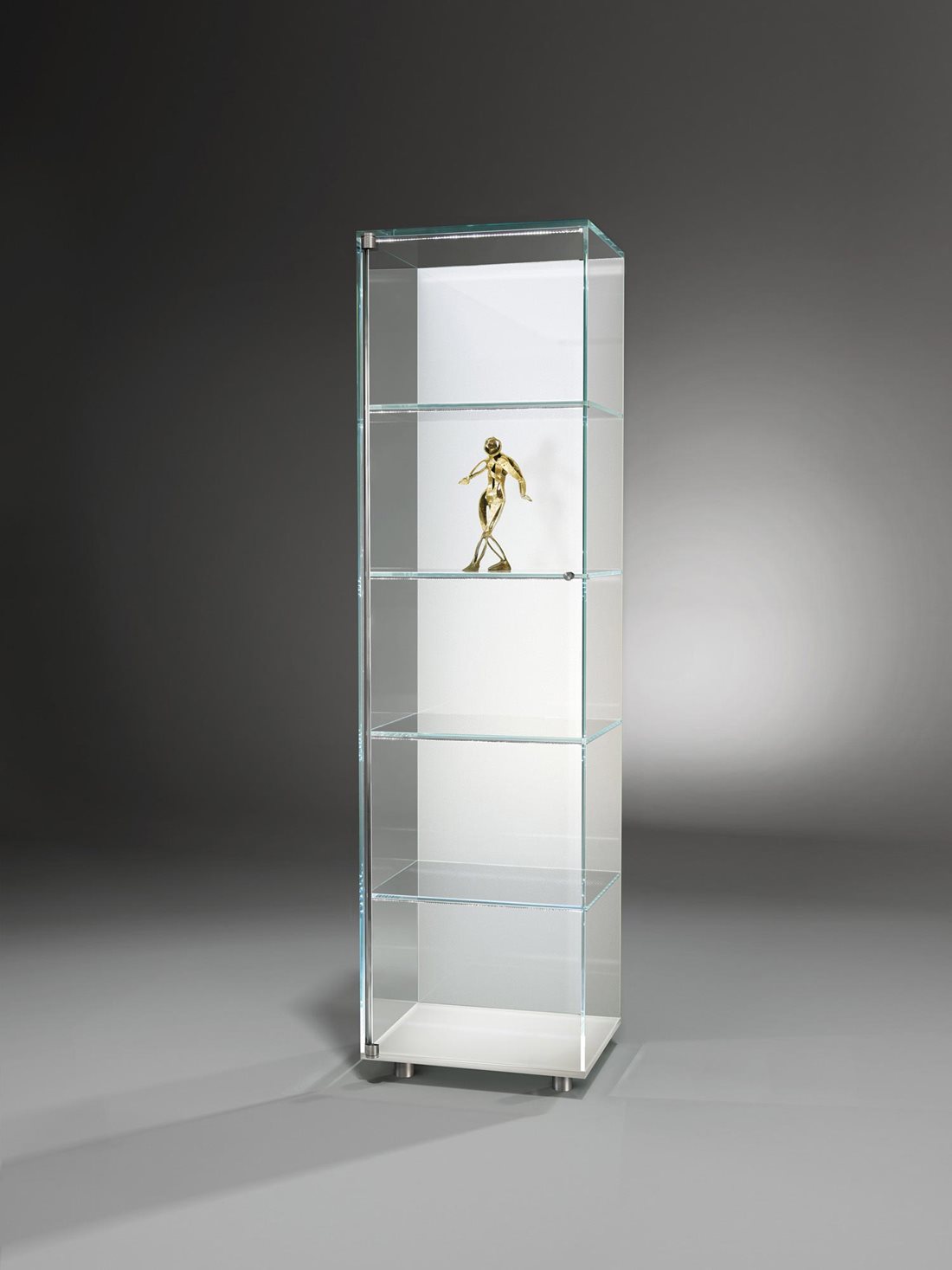
An illuminated cabinet needs controlled moisture near lighting and fittings, alongside normal glass care.
Check the available sizes, material combinations and relevant opening or movement space against your notes before choosing a configuration.
Use these five points to turn the guide into a short furniture brief. They are worth completing before comparing a standard model with a custom design.
A cleaner approved for glass may harm nearby wood or lacquer.
More detergent can mean more visible residue.
Do not polish scratches or scrape stubborn marks without product-specific advice.
Useful answers, in one place
Open a question for a short answer and a relevant next step.
For ordinary uncoated clear glass, remove particles, clean with an approved mild method and dry with a separate clean cloth. Follow the exact furniture instructions first.
Use modest cleaner, fresh cloths and a separate drying cloth. Check the underside and inspect under angled light before repeating the process.
Clean only where accessible without lifting or dismantling the furniture. Follow the product instructions if any parts need removal.
Only if approved for the exact surface and kept away from incompatible adjacent materials. It is not a universal treatment for glass furniture with wood, lacquer or bonded parts.
Empty a manageable section, protect lighting and fittings, clean accessible surfaces with the approved method and dry before replacing objects.
Do not attempt household polishing without model-specific advice. A scratch or chipped edge should be assessed separately from ordinary residue.
The specified furniture construction and its care or installation instructions remain the reference for a particular model.
If a standard size or finish does not solve the problem, we can discuss a different dimension, color or combination of glass, solid wood and metal. We also review original furniture designs. Describe the intended use, include room or object measurements and send photos of the pieces you want to keep.
Ask for personal furniture advice · Explore custom furniture
You can order available models directly in our online store. For a custom piece, we first agree the specification. Delivery arrangements depend on the destination; check the information for your country.
To compare selected models or materials in person, arrange a visit to our Hennef showroom by email or phone. Visits are by prior appointment only; please confirm the models or materials you want to see.