- Free Delivery in DE, AT & CH
- Made in Germany
- Individual Customisation Available


Living · Planning · Understanding materials
A style is a useful editing tool, not a shopping list. It helps you decide which forms, colors and materials belong together while leaving room for furniture you already enjoy. Begin with the room and your habits rather than trying to reproduce a complete image.
These six directions follow the familiar themes of our furnishing guide: minimalist, country-inspired, Scandinavian, vintage, contemporary and glamorous. They overlap, and you can combine them by repeating a few deliberate details.
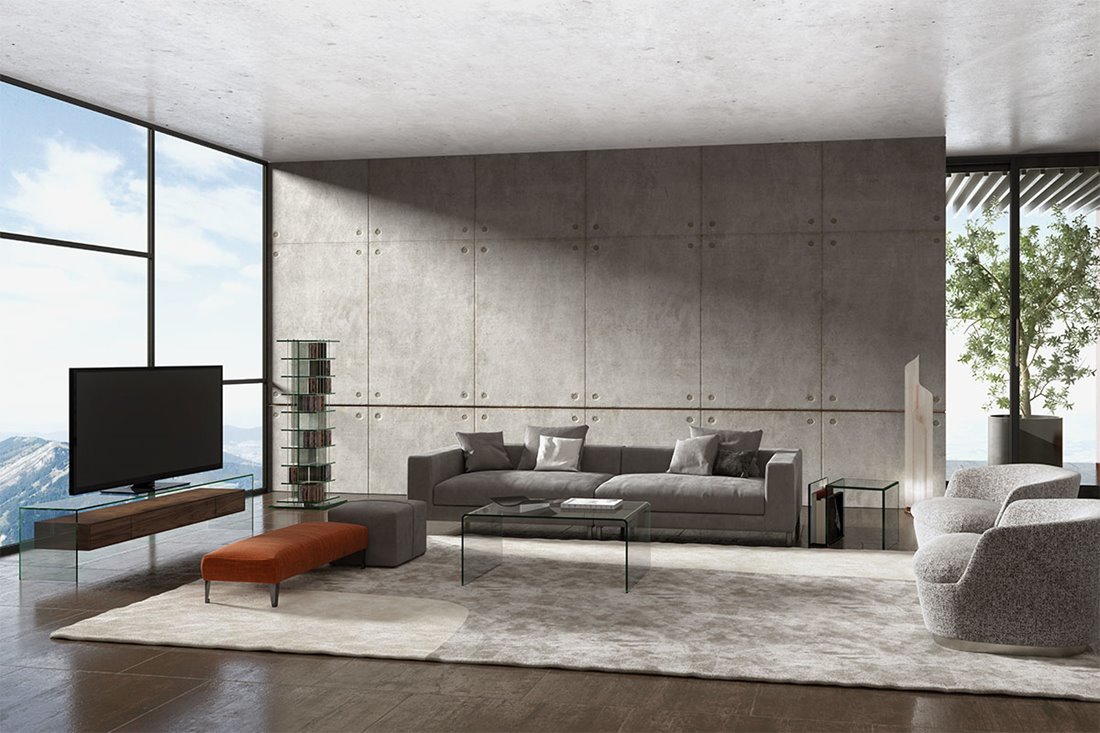
Styles · 01
Choose a small number of useful forms, restrained colors and deliberate empty space. The challenge is storage: everyday objects need a place, otherwise the uncluttered image will not last. A drawer within a simple piece can be more useful than several decorative surfaces.
Clear glass can keep outlines visually light, while one wood detail introduces texture. Minimalism does not require an all-white room or an absence of personal objects. Give the items you keep enough space to be noticed.
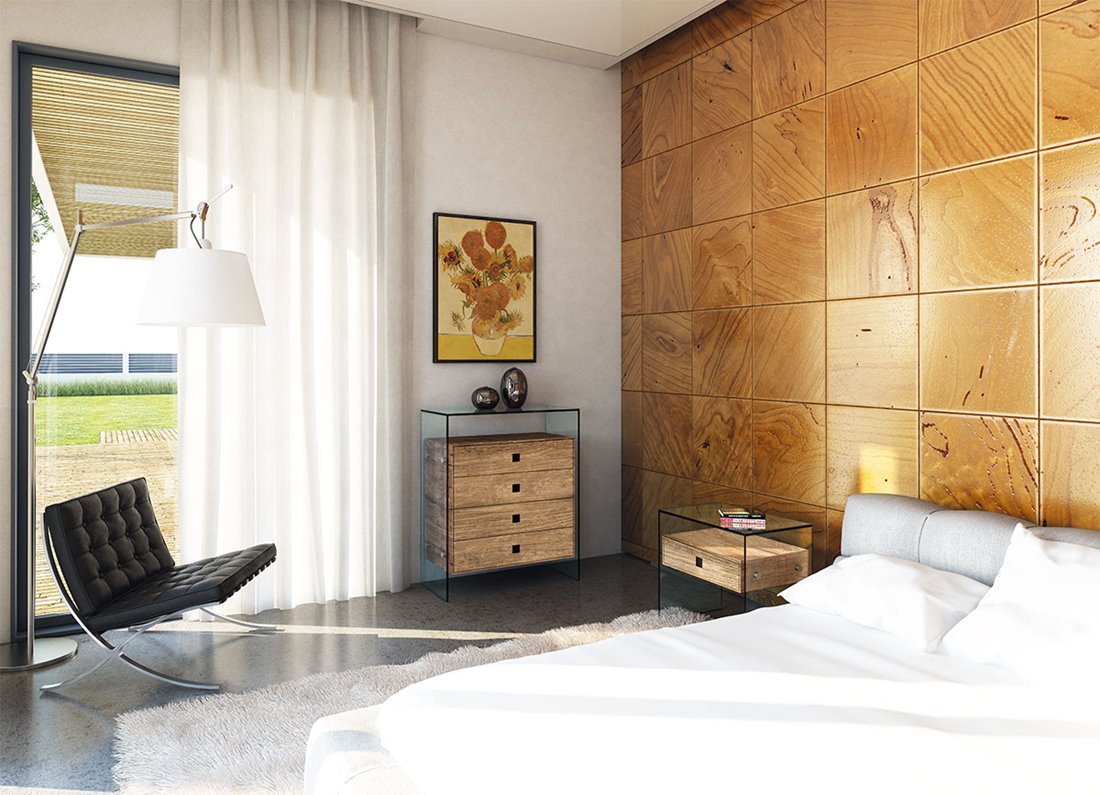
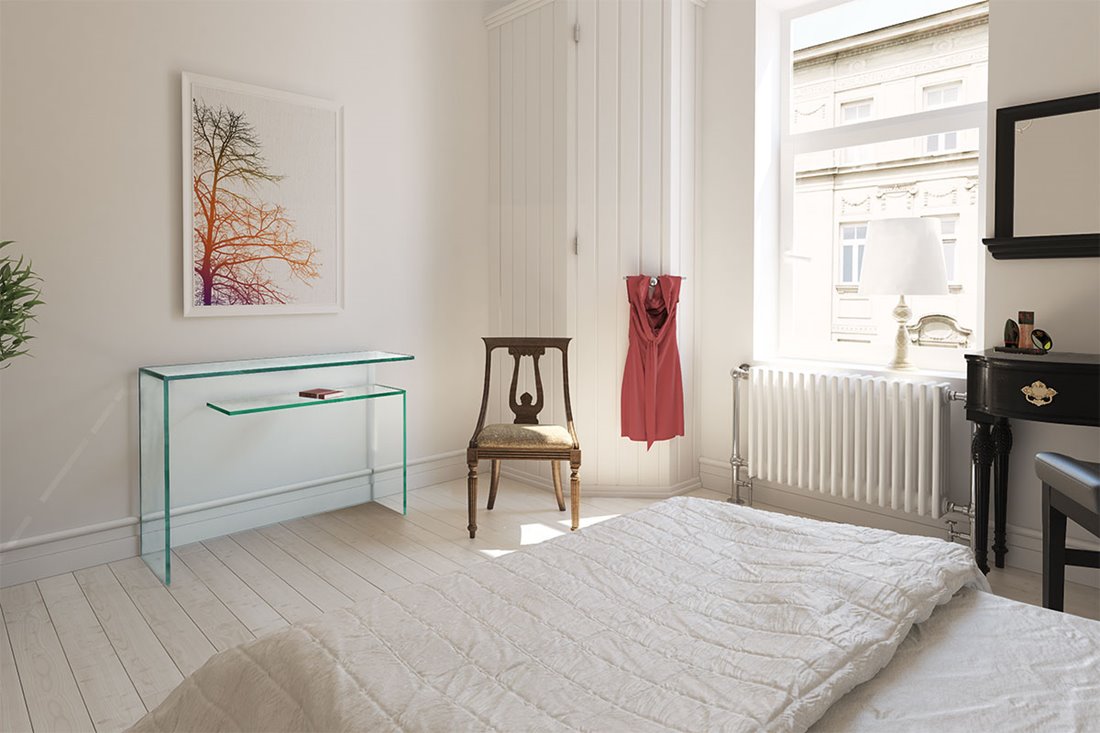
Styles · 02
Natural-looking textures, wood grain and softer upholstery can create a country-inspired direction. Choose proportions and finishes that fit your room rather than relying on carved details or distressed surfaces everywhere.
Glass can provide a quieter partner to a substantial wood piece. Keep one or two characteristic objects and edit repetitive accessories. A modern console does not have to undermine the warmer atmosphere if its wood or color connects to the existing room.
Styles · 03
Start with comfortable use, restrained forms and a limited palette. Pale wood, textiles and suitable lighting can form the background. A darker accent gives definition without making every piece a contrast statement.
A glass console or table can sit comfortably within this direction, particularly when its storage or wood detail serves a clear task. Compare the wood to the floor: Scandinavian-inspired furniture is not a guarantee that two pale woods will match.
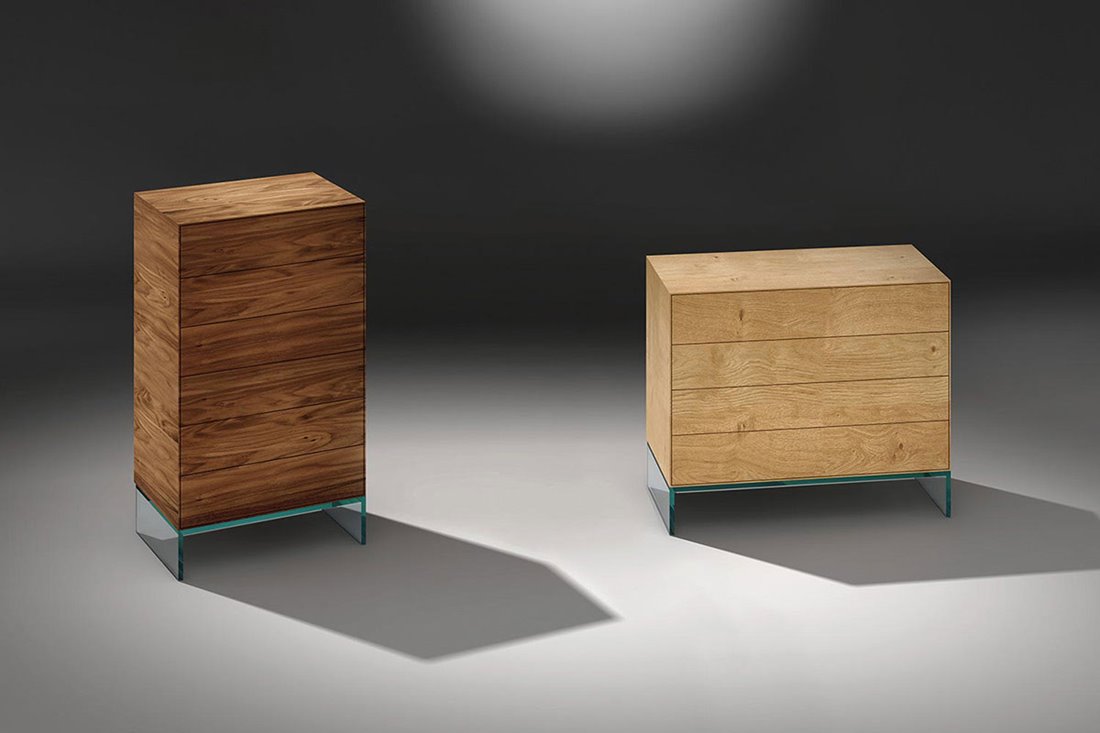
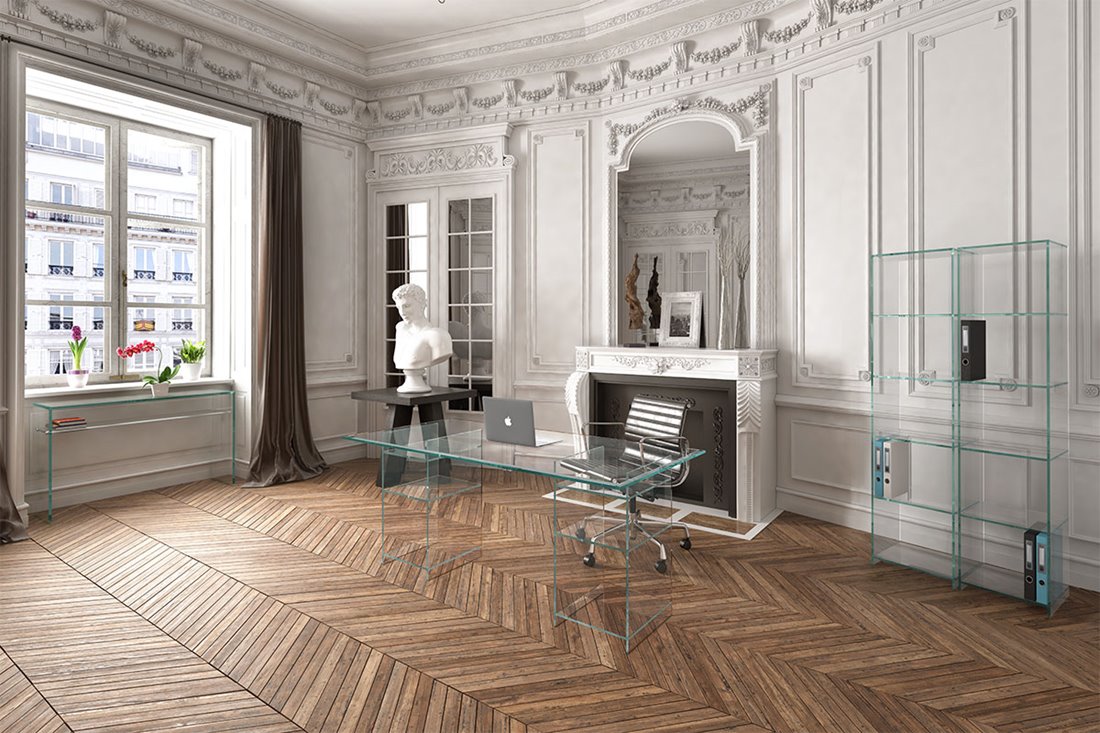
Styles · 04
Let a favorite older object lead the room and use quieter forms around it. Mid-century, industrial and other vintage directions have different histories; do not treat them as one interchangeable style. Borrow specific qualities such as a warm wood, a metal detail or a curved outline.
A contemporary glass surface can give an older cabinet breathing room. Repeat one material to connect them rather than buying several replicas. Restore and keep what you value, then choose new pieces for the functions still missing.
Styles · 05
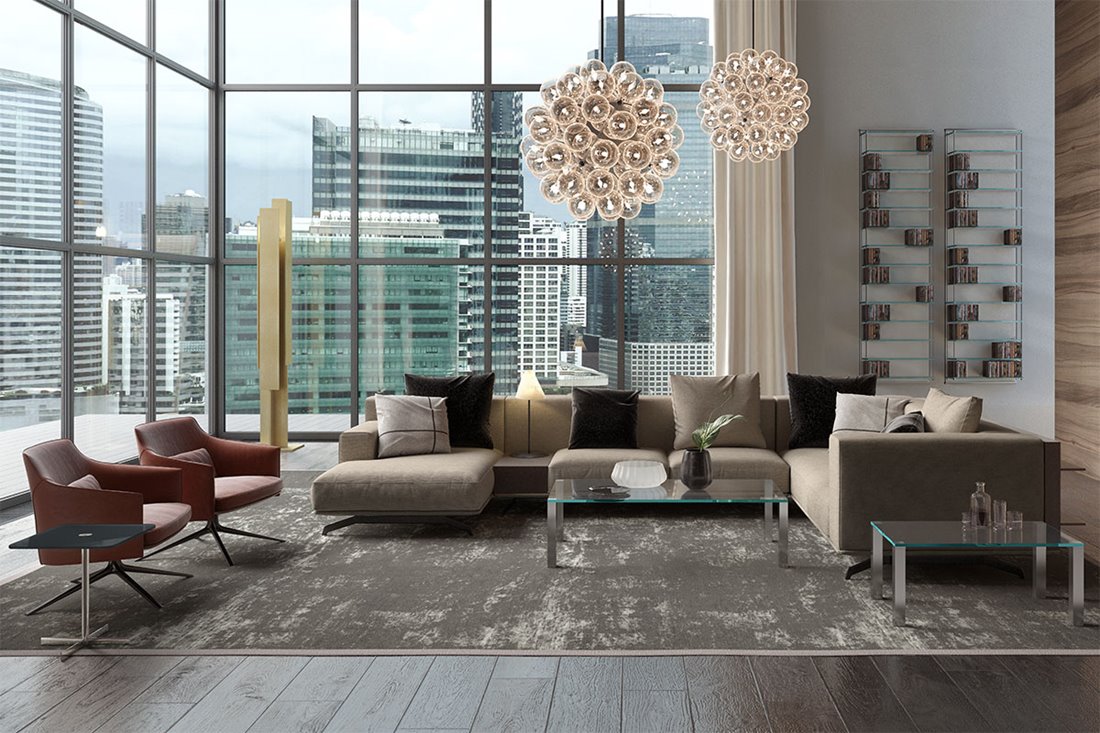
Contemporary furnishing can combine clean forms with current materials and an individual focal point. Choose what suits the room instead of assuming a fashionable finish will remain its main identity.
Use one stronger color or construction detail and let neighboring pieces support it. Glass, wood and metal can all participate. A custom dimension may contribute more to a successful room than another distinctive finish because it improves the actual layout.
Styles · 06
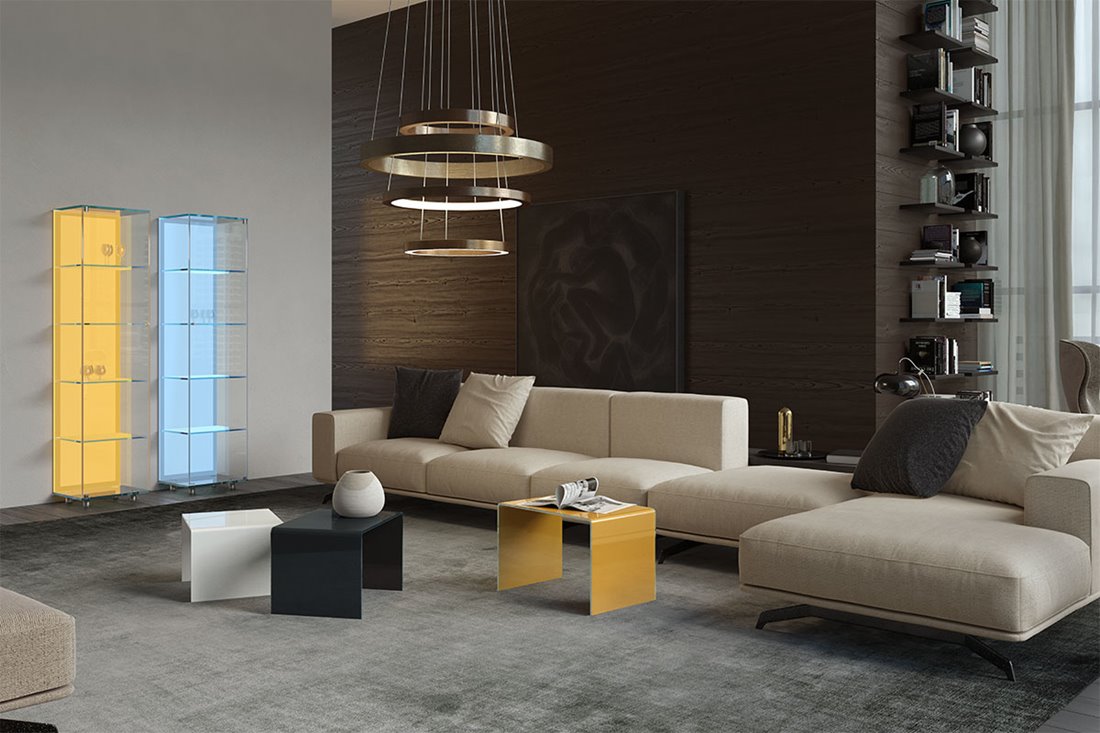
An illuminated cabinet, polished metal or a rich textile can create a stronger evening presence. Choose where the emphasis belongs and avoid giving every piece equal sparkle. Reflective finishes need a lighting test from the normal seats.
Luxury in daily use includes suitable proportions, useful storage and considered detailing. A few carefully placed objects often show better than crowded shelves. Compare the cabinet light with the room light so the display remains enjoyable rather than overpowering.
| Your situation | What to compare | What to check |
|---|---|---|
| Keep an older favorite | Let it lead and choose quieter supporting pieces. | Repeat a material rather than imitating every detail. |
| Reduce visual clutter | Edit objects and provide useful closed storage. | Empty space must remain practical in everyday use. |
| Add stronger character | Choose one deliberate focal point. | Support it through proportion and lighting. |
Try this before buying
Keep the vintage wood cabinet you love, choose a restrained sofa and introduce a glass table with a related metal detail. Name the connection—perhaps warm wood, simple forms and one dark accent—before buying accessories. If a new object shares none of those qualities and serves no missing function, reconsider it.
Record the version that works and keep the measurements with your photographs. If you change one item, repeat the relevant test: a different depth, finish or opening direction can affect more than its immediate position. Compare the complete arrangement with the way you actually use the room.
From the plan to a particular piece
These examples show different ways to address the decisions above. Compare the selected dimensions, finish and construction on the product page; photographs may show a particular version rather than every available option.
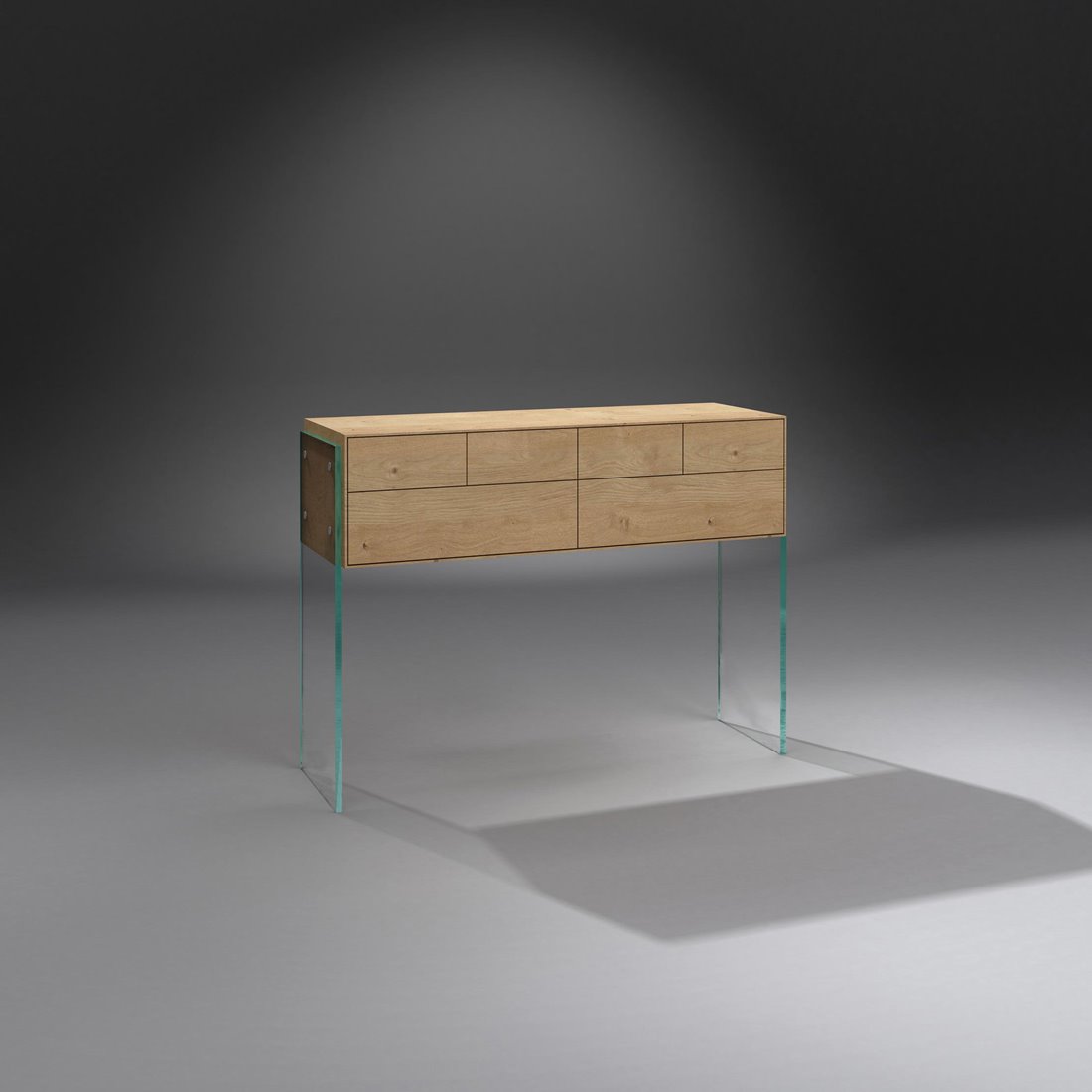
For a wood-and-glass connection across warmer or restrained furnishing directions.
Check the available sizes, material combinations and relevant opening or movement space against your notes before choosing a configuration.
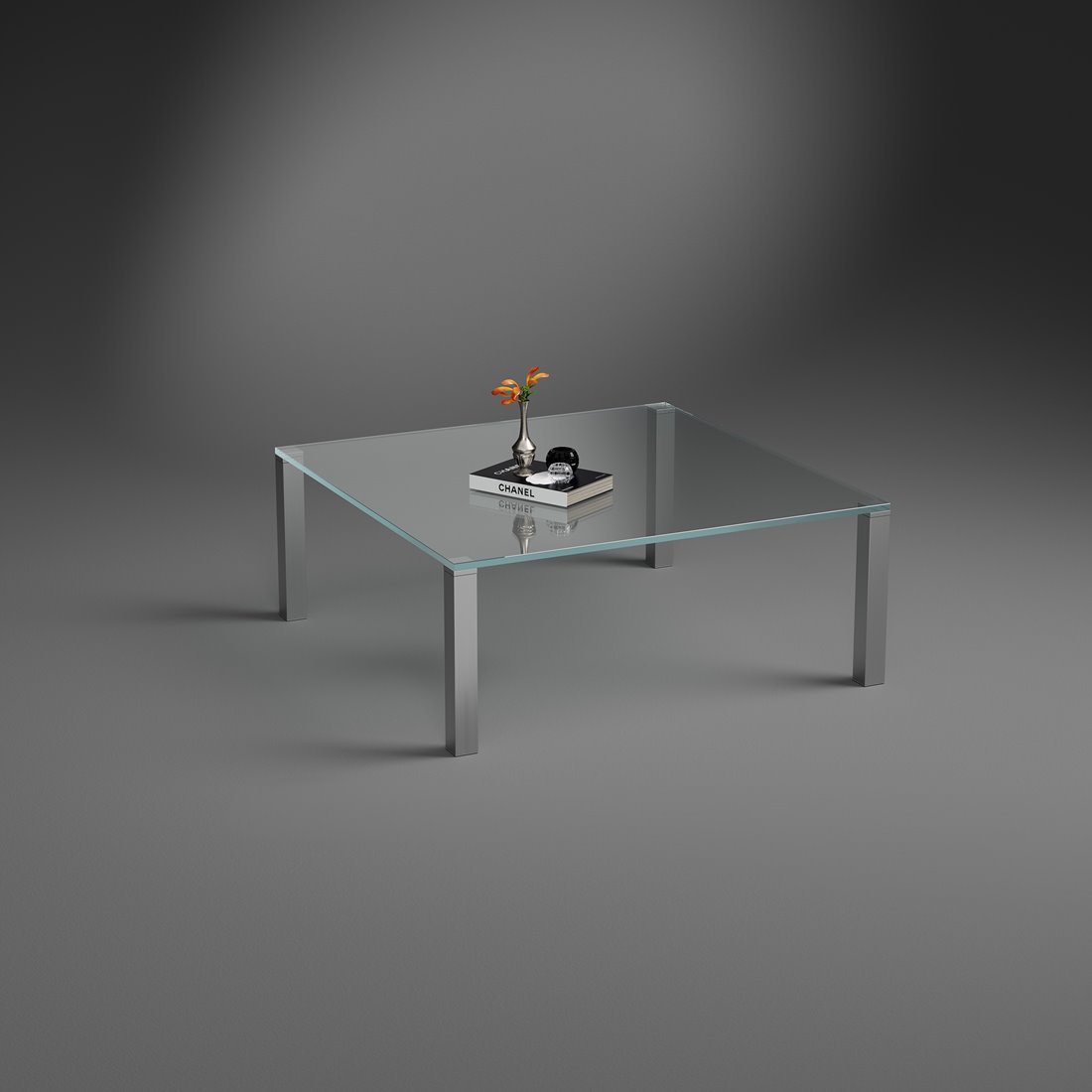
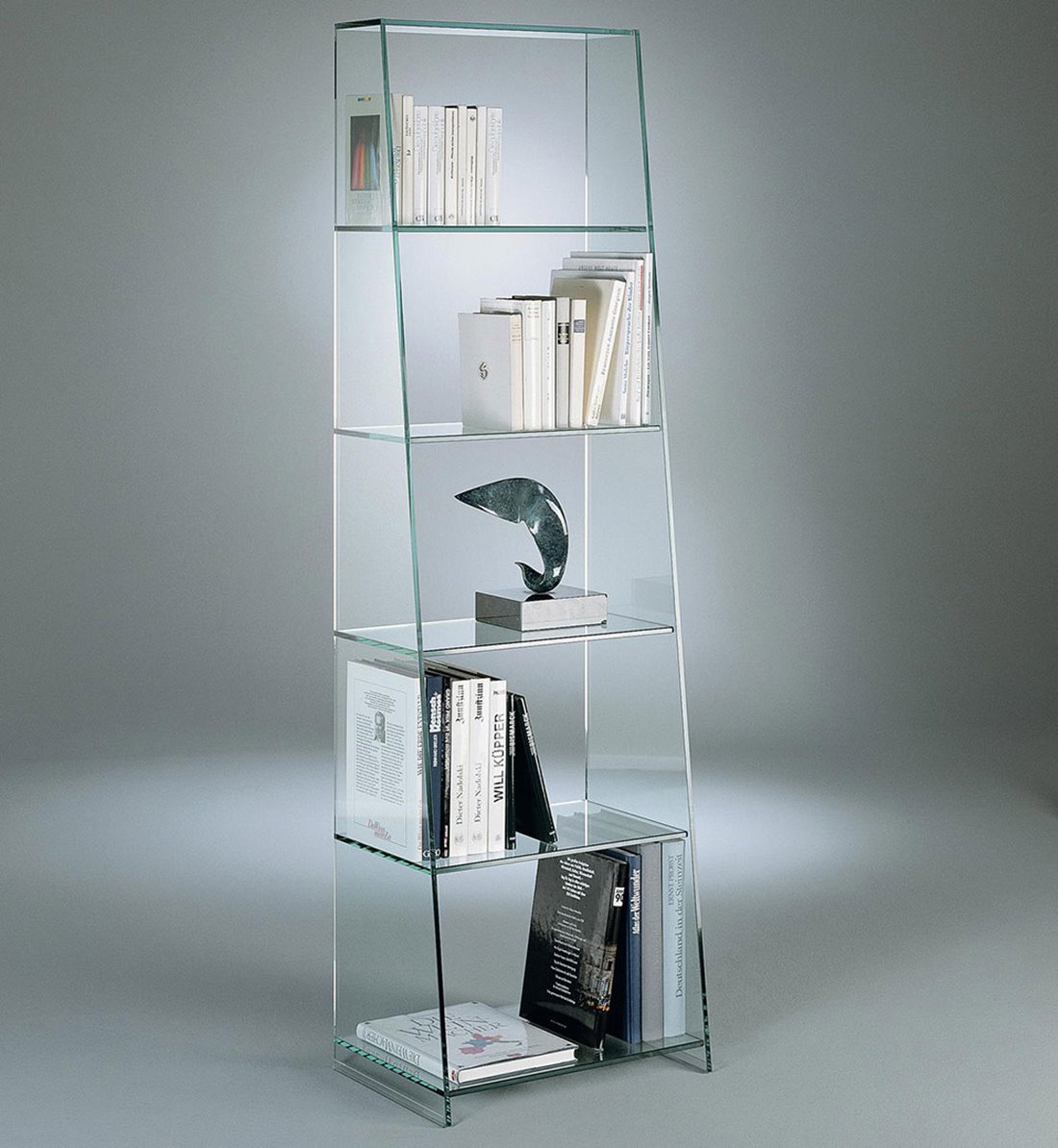
A clear form and metal detail can support contemporary or mixed interiors.
Check the available sizes, material combinations and relevant opening or movement space against your notes before choosing a configuration.
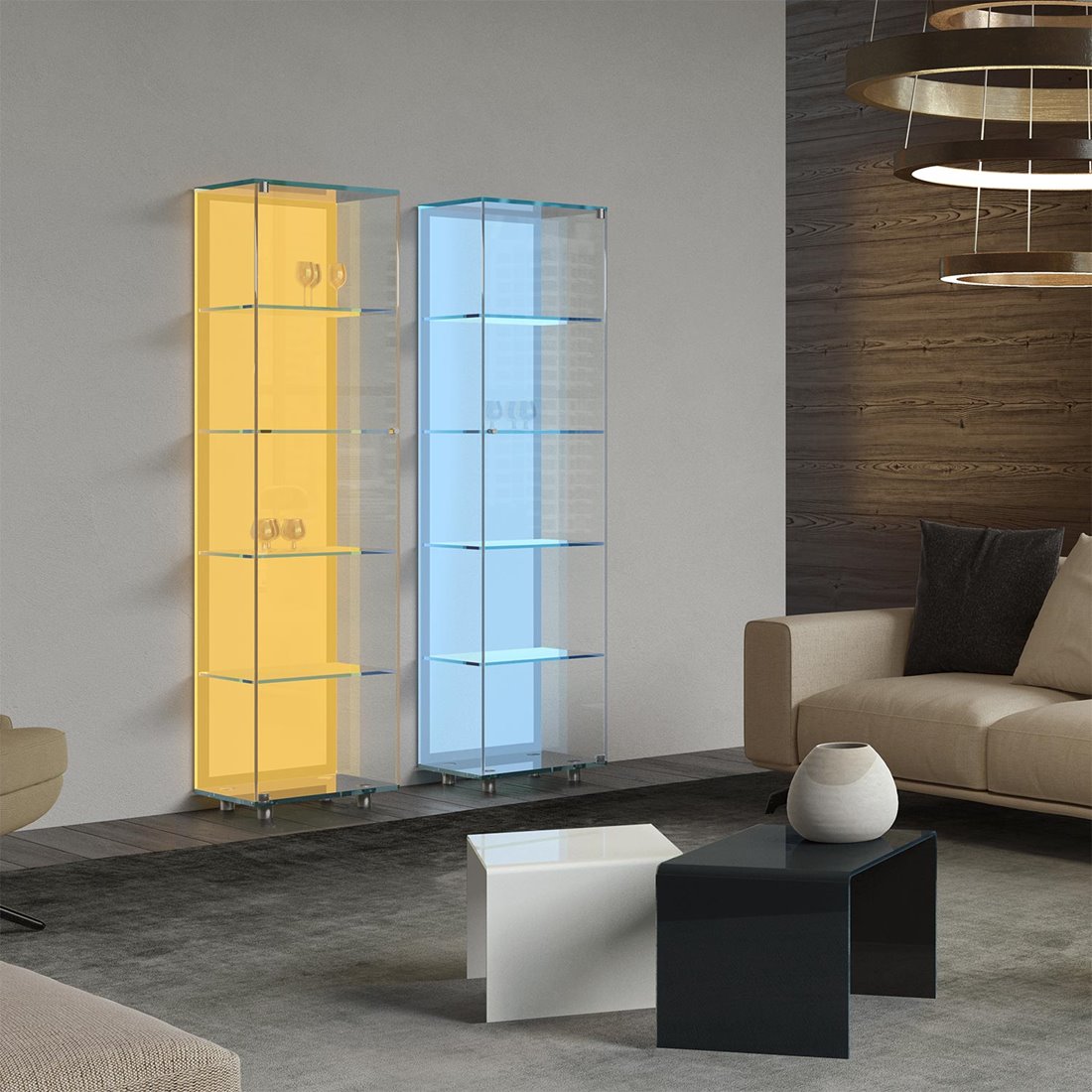
For a deliberate evening display emphasis. Test brightness and reflections in the planned location.
Check the available sizes, material combinations and relevant opening or movement space against your notes before choosing a configuration.
Use these five points to turn the guide into a short furniture brief. They are worth completing before comparing a standard model with a custom design.
A style label does not tell you whether a piece fits the room.
Industrial, mid-century and other vintage directions are not identical.
Adding accessories cannot correct an awkward seating layout.
Useful answers, in one place
Open a question for a short answer and a relevant next step.
Useful directions include minimalist, Scandinavian, contemporary and glamorous, alongside updated country and vintage combinations. Use them as starting points rather than rigid categories.
Yes. Repeat a few colors, materials or forms and keep the functions clear. A favorite older piece can lead the room while quieter new furniture supports it.
No. Clear or colored glass can work with wood, textiles and many room styles. The form, finish and surrounding furniture determine the result.
Begin with the pieces and rooms you repeatedly enjoy, then identify their common qualities. Test those qualities against your home and everyday use.
Use a clear focal point, considered lighting and fewer well-placed objects. Good proportions and useful detailing matter as much as decorative finishes.
Yes. Dimensions, finishes and material combinations can connect new furniture to existing pieces. Send photos and describe what you want to retain.
If a standard size or finish does not solve the problem, we can discuss a different dimension, color or combination of glass, solid wood and metal. We also review original furniture designs. Describe the intended use, include room or object measurements and send photos of the pieces you want to keep.
Ask for personal furniture advice · Explore custom furniture
You can order available models directly in our online store. For a custom piece, we first agree the specification. Delivery arrangements depend on the destination; check the information for your country.
To compare selected models or materials in person, arrange a visit to our Hennef showroom by email or phone. Visits are by prior appointment only; please confirm the models or materials you want to see.