- Free Delivery in DE, AT & CH
- Made in Germany
- Individual Customisation Available



Living · Planning · Understanding materials
Measure what you want to display before choosing the cabinet. Object height, depth, width and weight determine usable shelves, door access and support requirements. Then compare cabinet position, glass appearance and lighting from the places where you will normally see it.
A good display cabinet makes selected objects easier to enjoy without turning the room into storage overflow. This guide takes you from the collection to the construction, with actual DREIECK DESIGN models showing different solutions.
Furniture · 01
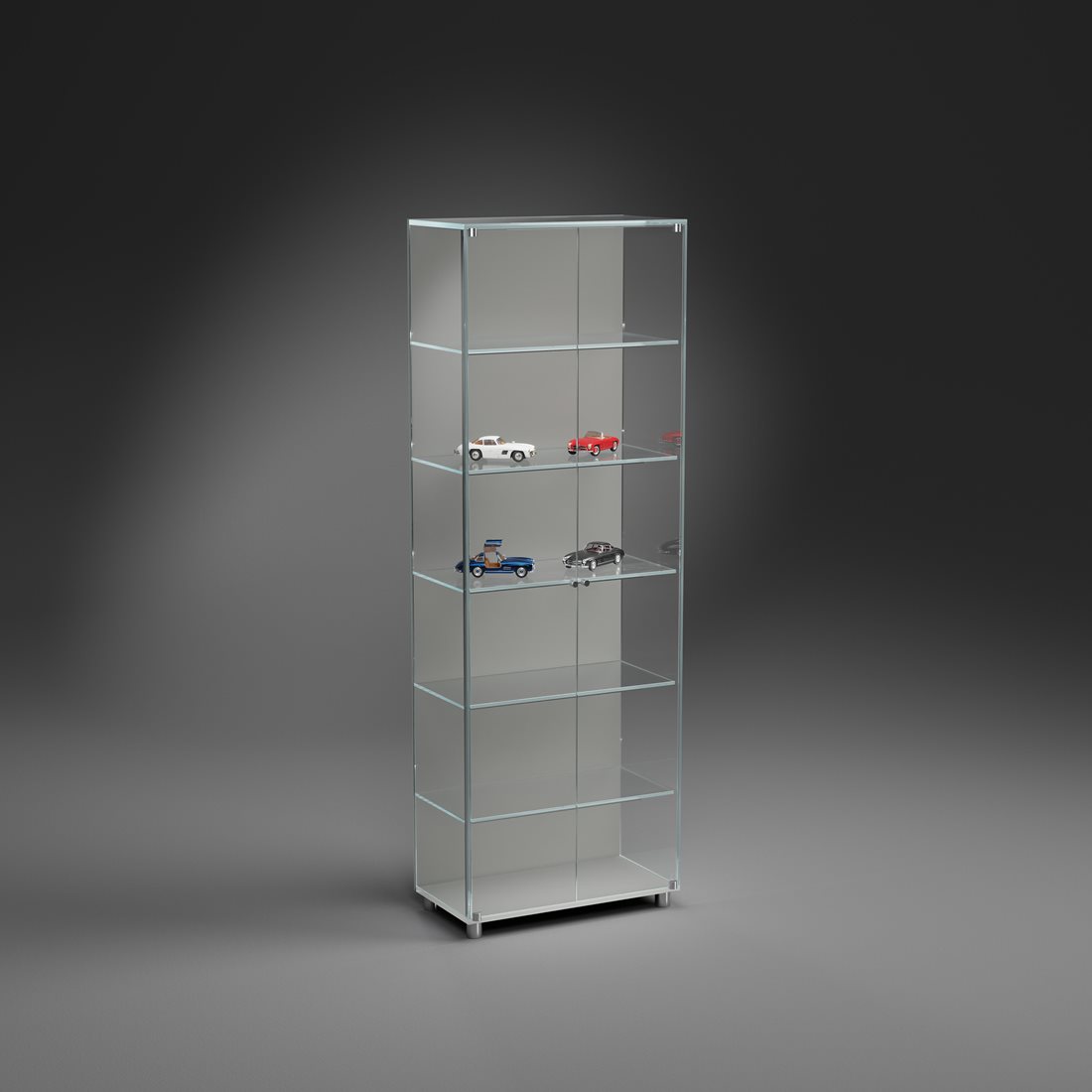
Group objects by size and weight. Include the largest piece you expect to add, then decide whether it needs a shelf of its own. Leave deliberate space between objects rather than calculating only the maximum number that physically fits.
Check internal dimensions and the clear door opening. A wide object can fit on a shelf yet be difficult to place through the door. Send object sizes and weights when discussing a model or custom construction.
Furniture · 02
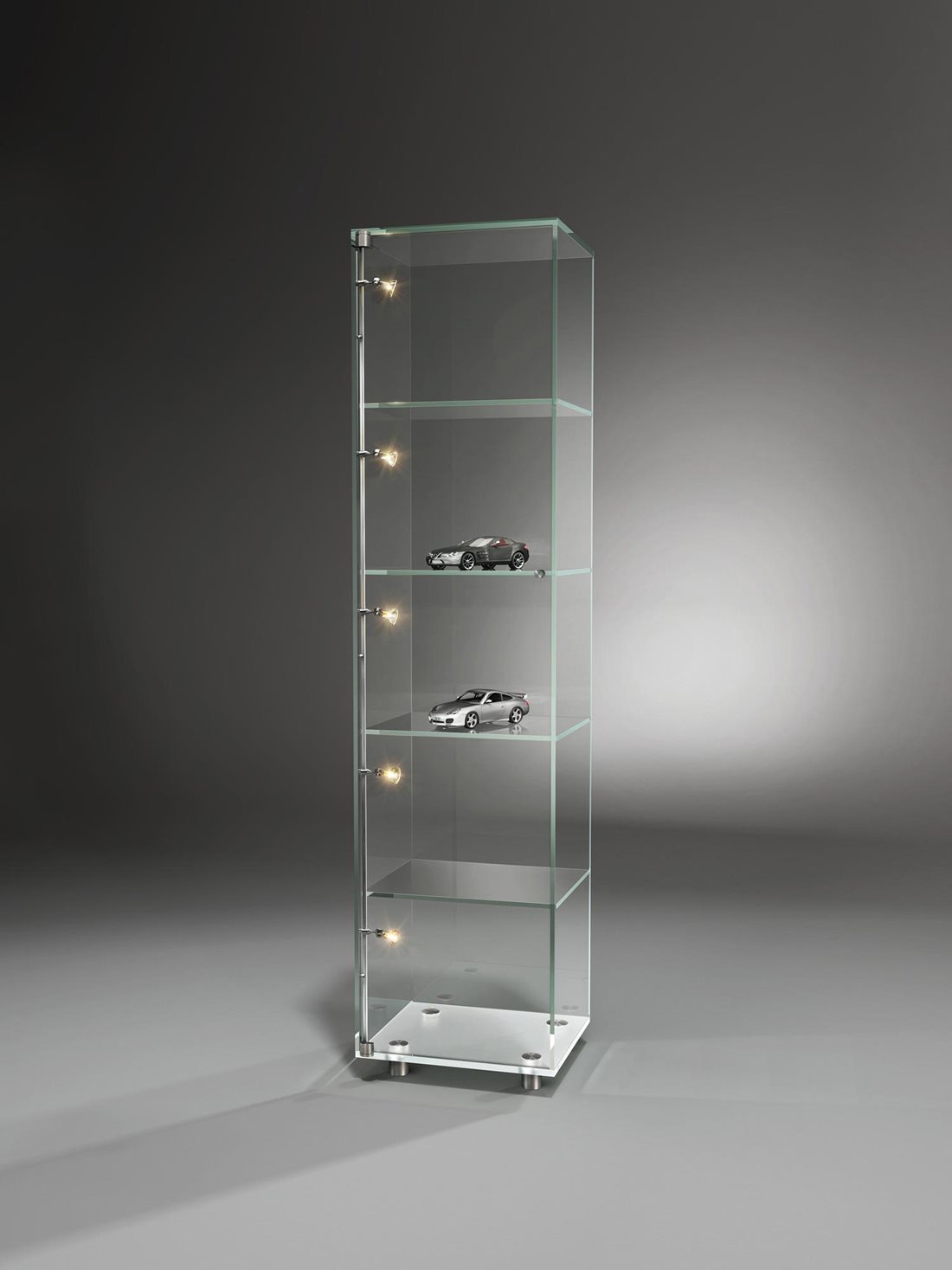
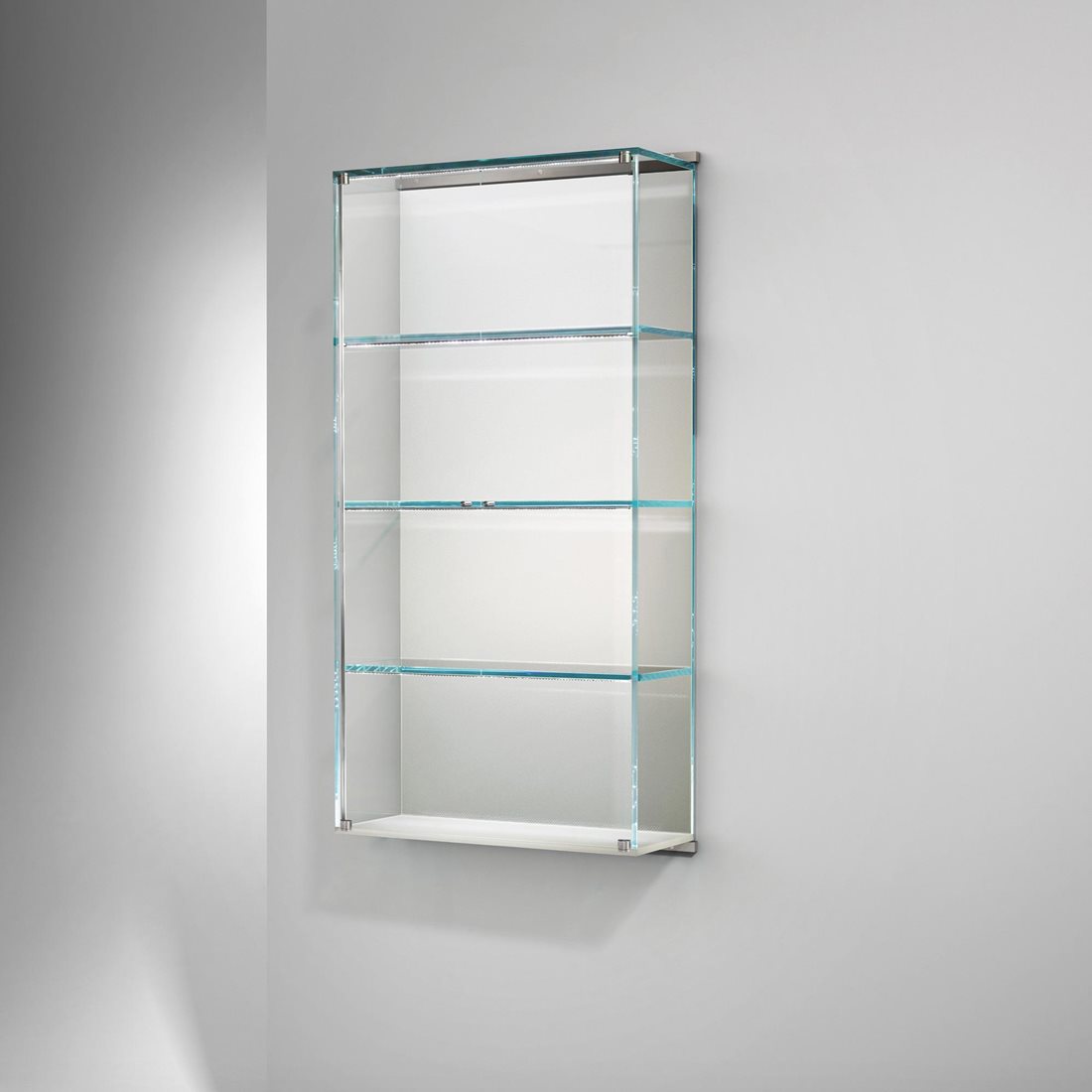
A tall freestanding cabinet provides a concentrated display, while a wall-mounted design changes the floor arrangement. A lower cabinet can suit a long wall or a seated view. Choose by access and location rather than appearance alone.
For wall-mounted furniture, confirm the wall and fixing requirements. For freestanding models, follow securing and placement instructions. Do not put a cabinet in a door sweep or where opening it blocks a necessary route.
Furniture · 03
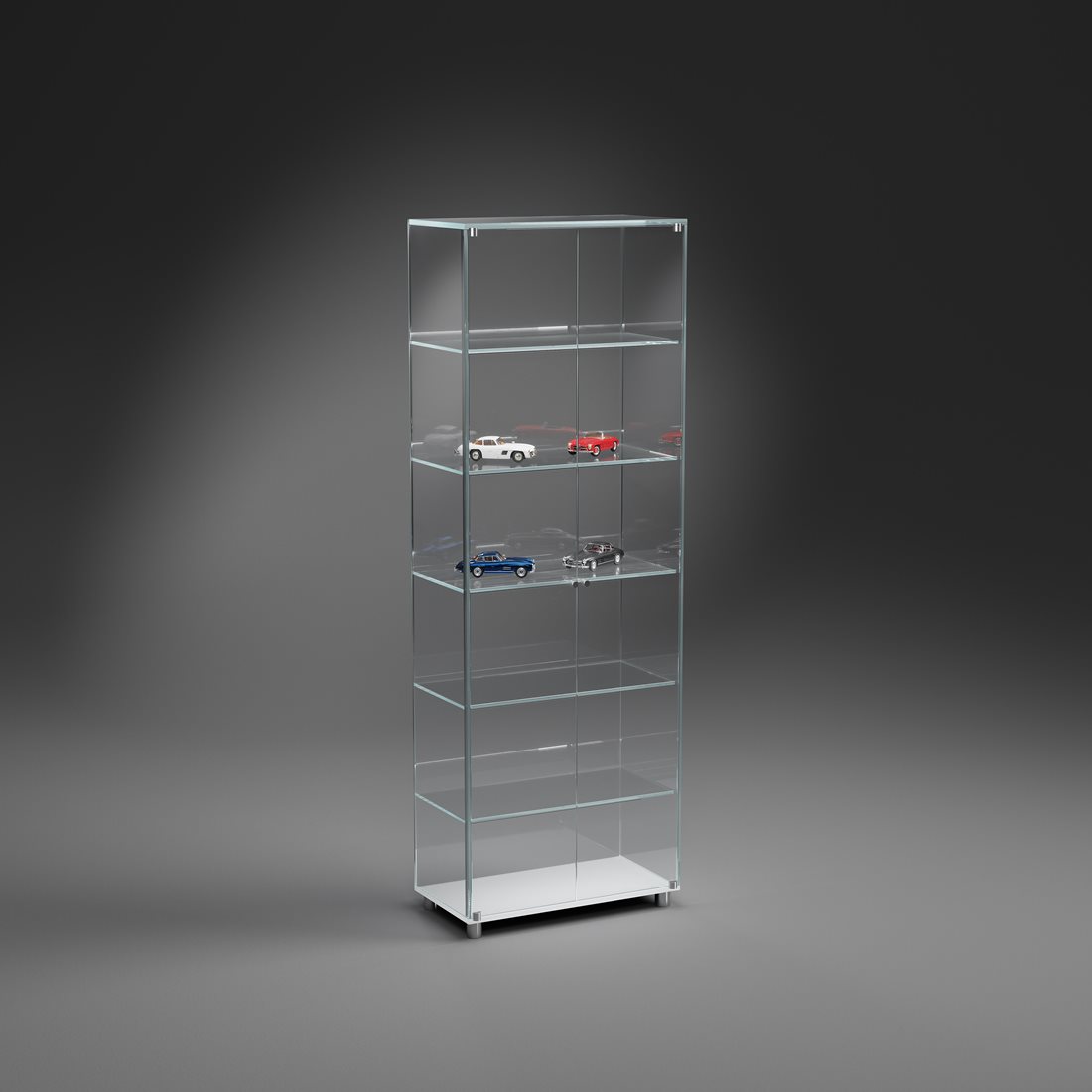
Standard float glass and low-iron glass offer different visible tint. Compare the edges and the view through the panes with objects similar to your own. Pale objects and white backgrounds can make a reduced-tint option particularly worth inspecting.
Low-iron glass is not automatically anti-reflective or a particular safety construction. Those specifications are separate. Use actual comparable samples rather than assuming a photograph proves color neutrality under every light.
Furniture · 04
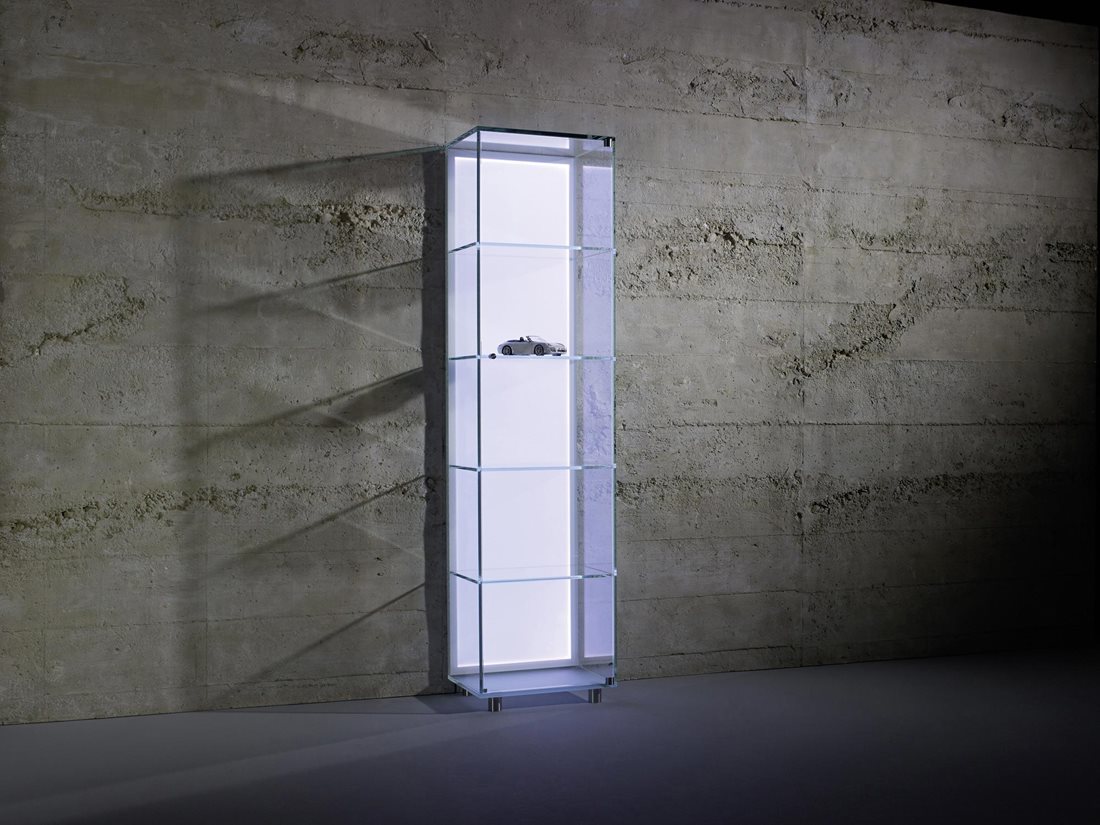
A spot emphasizes a particular part of the display. Vertical or compartment lighting can offer another distribution. A backlit panel changes the background itself and can make the cabinet a room feature in the evening.
Check where light falls on your objects and what you see from the normal seats. Bright glass reflections or a lit background can compete with the display. Compare the exact lighting version and controls; not every cabinet includes every effect.
Furniture · 05
Use a few groups rather than lining every shelf at equal density. Give the main object a clear background and leave room for the eye to separate neighboring pieces. Mix heights deliberately without making cleaning or access awkward.
Consider the full room behind clear glass. A busy wall or strong reflection may make the collection harder to see. A selected back finish can help, but it should connect with the room and the objects rather than becoming a competing focal point.
Furniture · 06
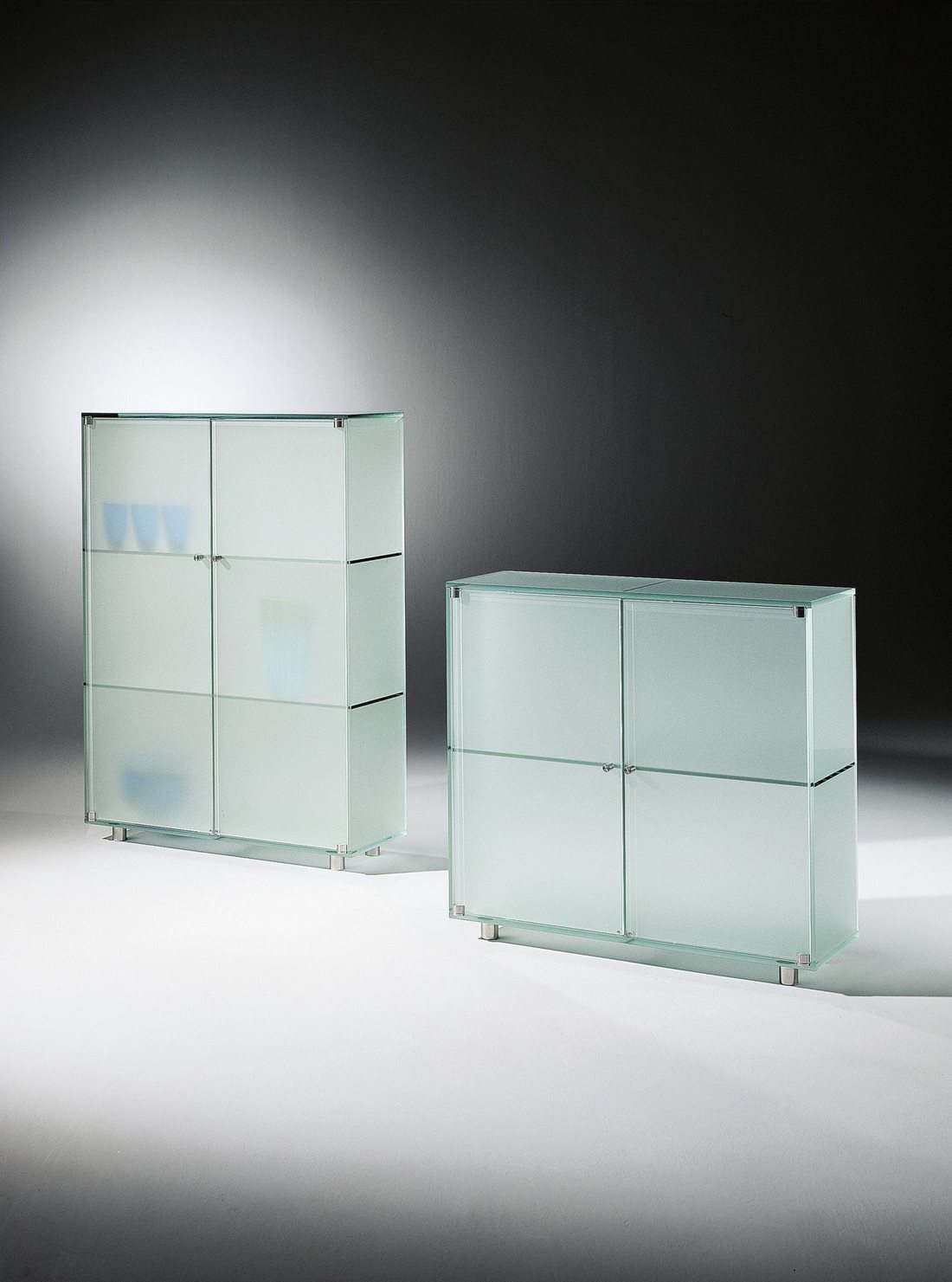
A drawer below the glass can keep smaller everyday items out of the display. Decide what belongs in each zone and confirm useful internal dimensions. A closed cabinet reduces exposure compared with open shelving, but do not assume dustproofing or museum conservation performance.
For valuable objects, shops or jewelry displays, describe locking, lighting, loads and any specialist protection needs explicitly. These need a project review. Custom glass, wood and metal components and original designs can be discussed alongside dimensions.
| Your situation | What to compare | What to check |
|---|---|---|
| Tall or broad collection | Start with the largest objects and clear openings. | Confirm usable shelves and reviewed loads. |
| Wall display | Compare a model designed for wall mounting. | Check wall construction and access. |
| Evening focal point | Compare exact lighting and background versions. | Assess reflections from the normal seats. |
Try this before buying
Measure the widest object including its stand, then confirm shelf space and the actual door opening. Arrange the smaller pieces on a mock shelf with gaps between groups. Compare two lighting positions with representative objects. If the standard cabinet cannot provide the needed access or support, send the measurements before choosing a custom width.
Record the version that works and keep the measurements with your photographs. If you change one item, repeat the relevant test: a different depth, finish or opening direction can affect more than its immediate position. Compare the complete arrangement with the way you actually use the room.
From the plan to a particular piece
These examples show different ways to address the decisions above. Compare the selected dimensions, finish and construction on the product page; photographs may show a particular version rather than every available option.
For a broader display and a different door arrangement. Confirm the exact interior dimensions and lighting version.
Check the available sizes, material combinations and relevant opening or movement space against your notes before choosing a configuration.
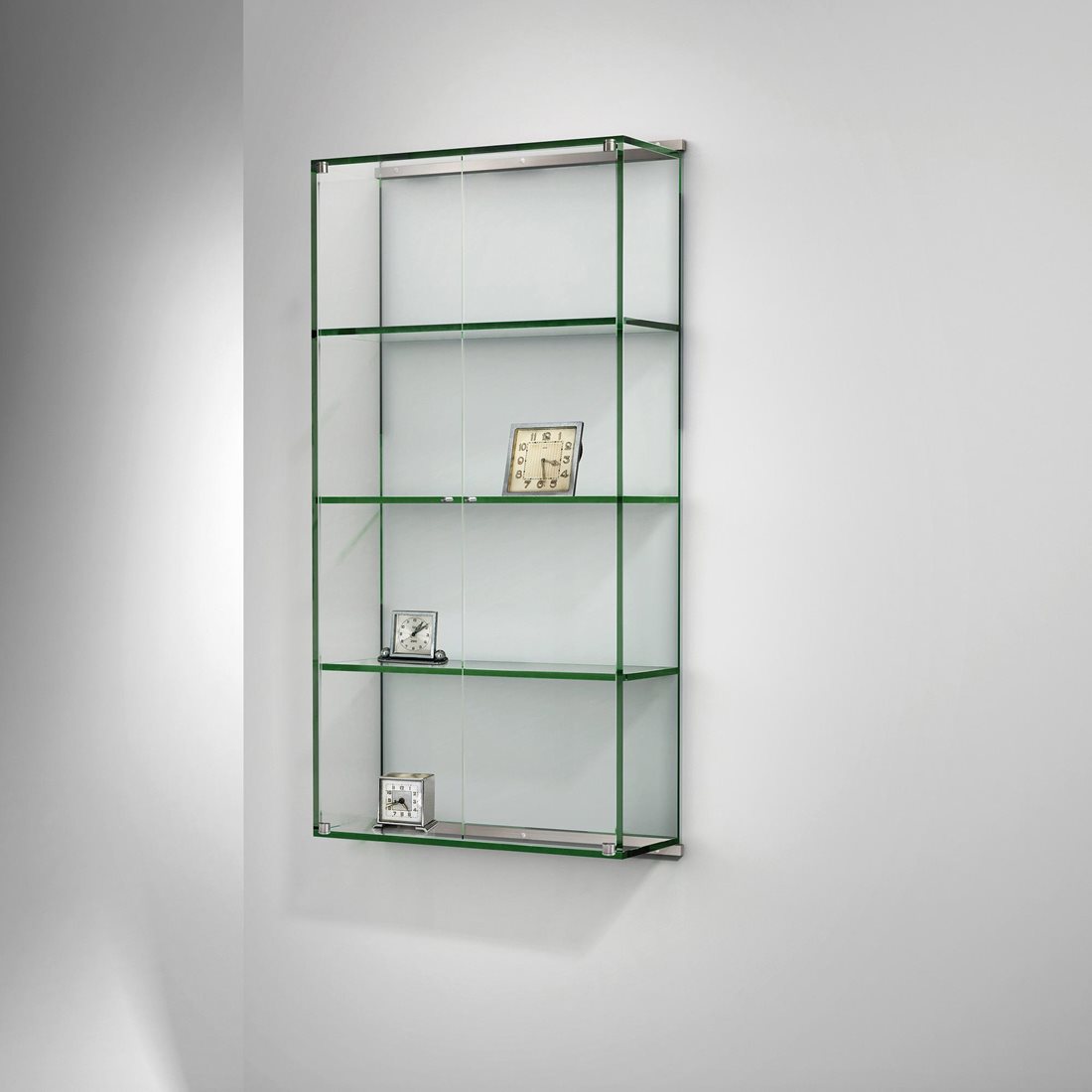
For a wall-mounted display. Review wall suitability, access and the selected background finish.
Check the available sizes, material combinations and relevant opening or movement space against your notes before choosing a configuration.
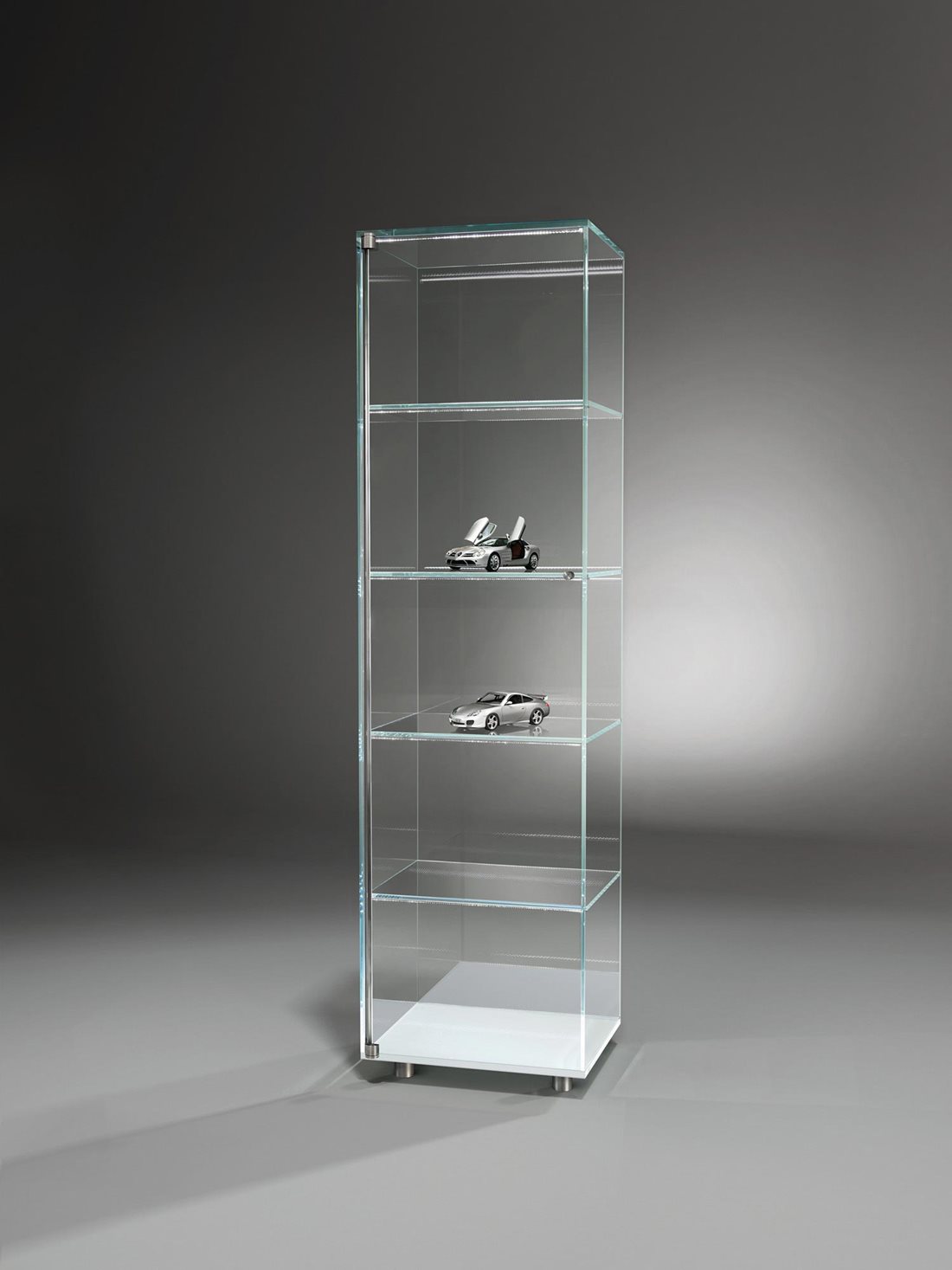
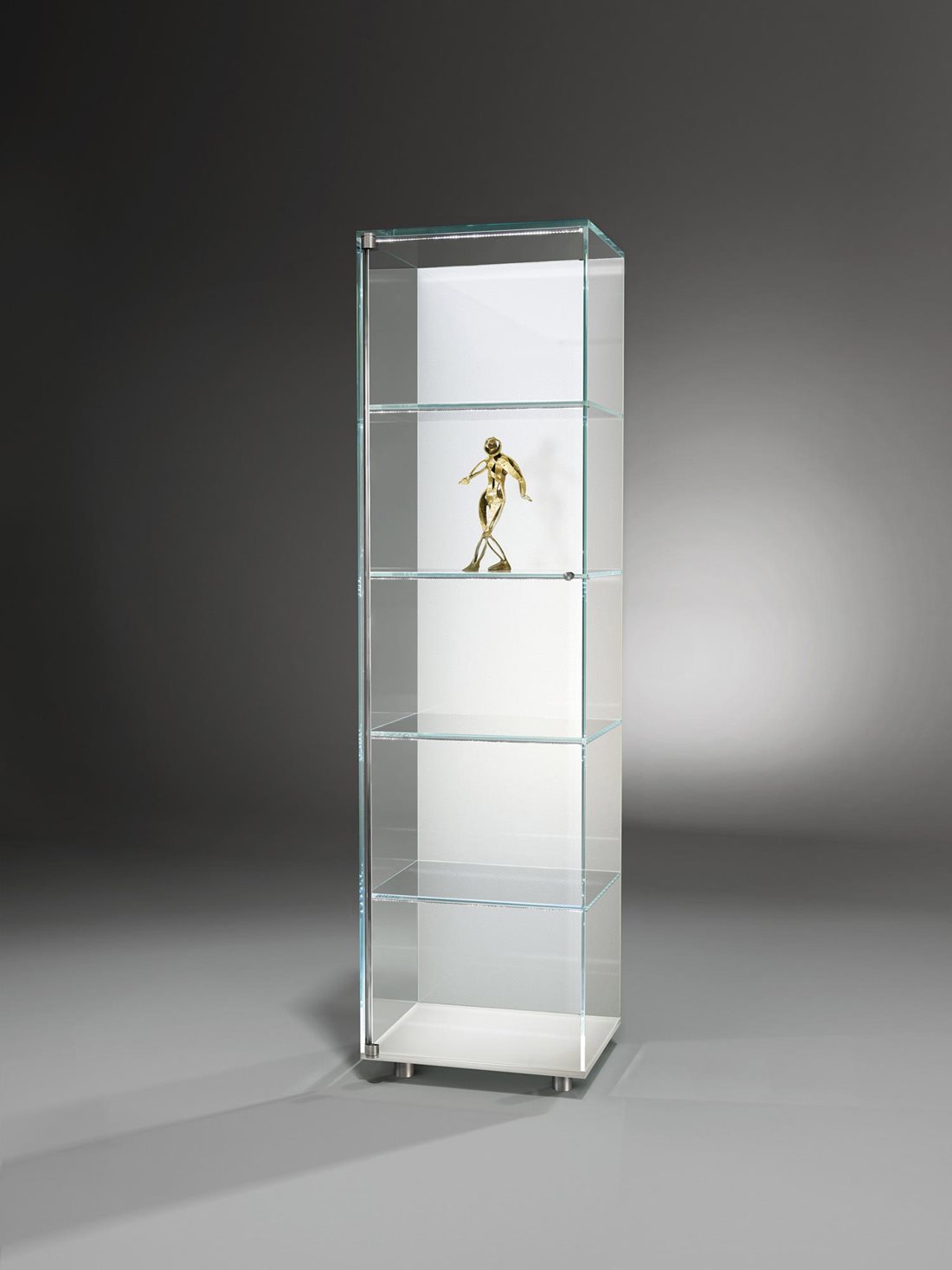
For a distributed LED display effect. Compare it with spots or a lit back panel using the intended objects.
Check the available sizes, material combinations and relevant opening or movement space against your notes before choosing a configuration.
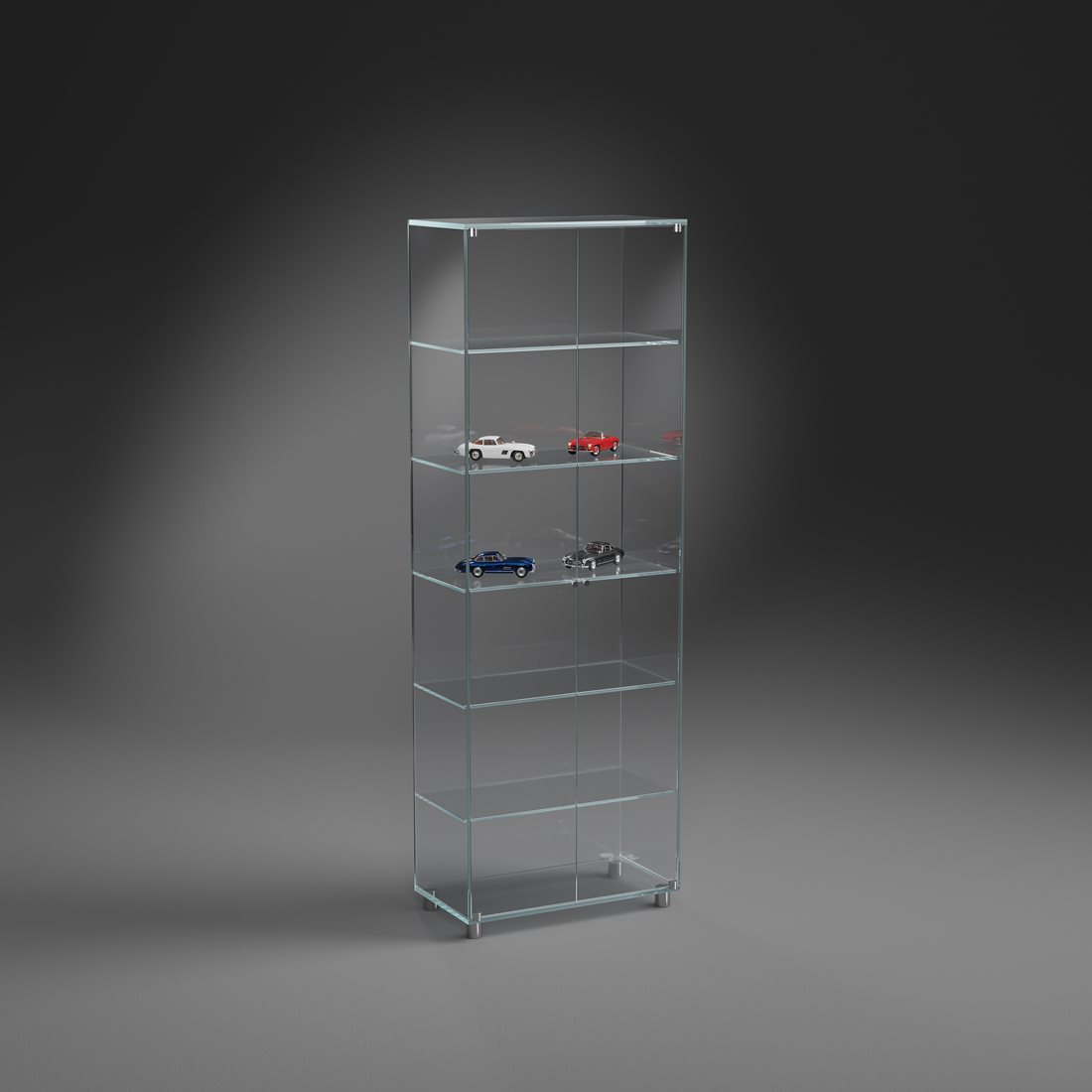
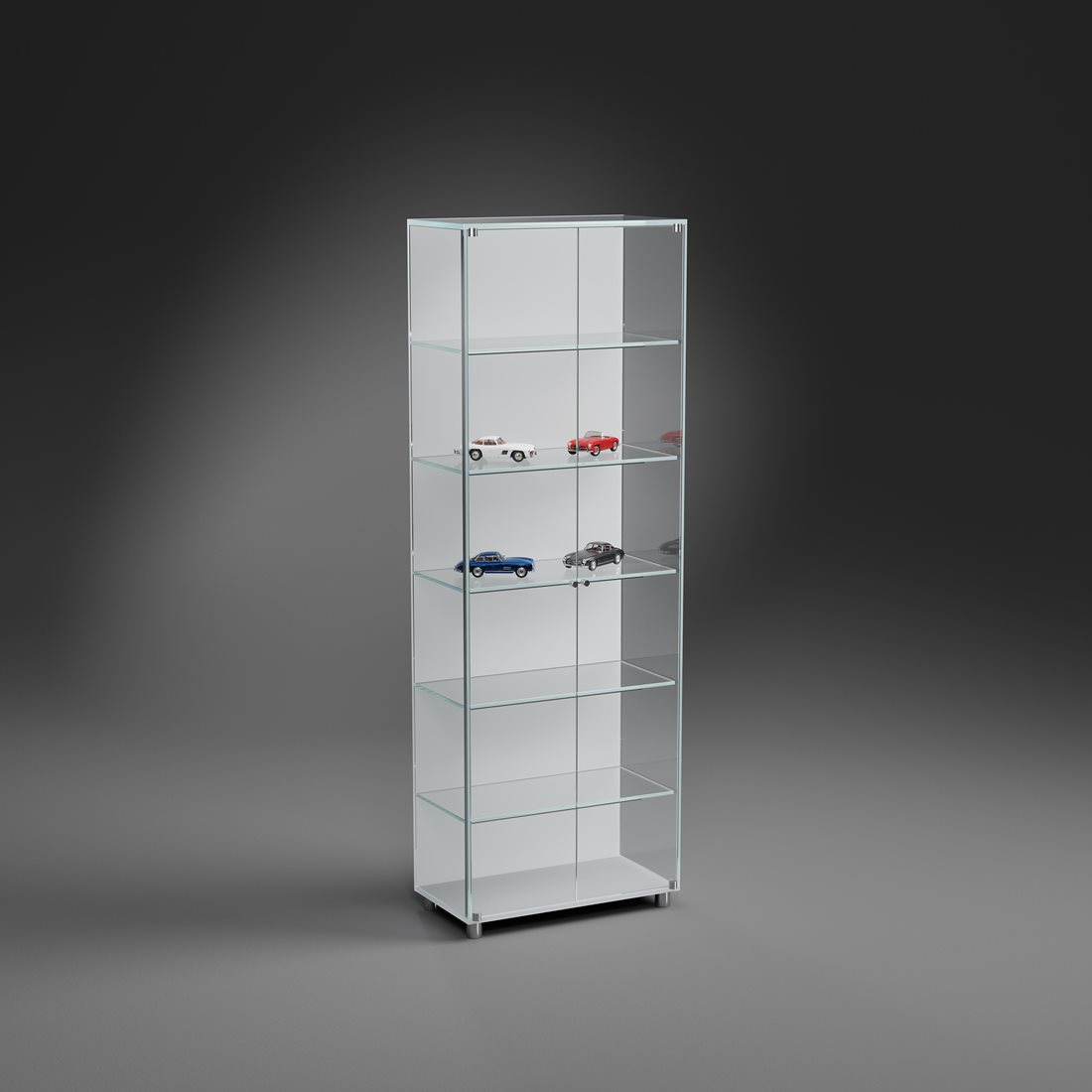
Use these five points to turn the guide into a short furniture brief. They are worth completing before comparing a standard model with a custom design.
Outside cabinet dimensions do not equal usable shelf space.
Low-iron glass is not automatically anti-reflective or safety glass.
A closed cabinet should not be called dustproof or museum-grade without the specification.
Useful answers, in one place
Open a question for a short answer and a relevant next step.
Start with object dimensions, weights, door access and room position. Then compare freestanding, wall-mounted and lower designs for those needs.
It can be useful when reduced tint and a more neutral view matter. Compare equal-thickness samples with representative objects and the intended light.
Choose according to the display. Spots, distributed LED lighting and a lit background have different effects. Test the exact version from the normal viewing positions.
Yes, with a model designed for that use and a suitable wall and fixing arrangement. Confirm requirements before choosing the final location.
Yes. Send object sizes, weights, available room dimensions and any special access, lock or lighting requirements so a custom design can be reviewed.
Our showroom in Hennef, Germany, is open by prior appointment only. Contact us by email or phone and confirm the models or materials you would like to see.
If a standard size or finish does not solve the problem, we can discuss a different dimension, color or combination of glass, solid wood and metal. We also review original furniture designs. Describe the intended use, include room or object measurements and send photos of the pieces you want to keep.
Ask for personal furniture advice · Explore custom furniture
You can order available models directly in our online store. For a custom piece, we first agree the specification. Delivery arrangements depend on the destination; check the information for your country.
To compare selected models or materials in person, arrange a visit to our Hennef showroom by email or phone. Visits are by prior appointment only; please confirm the models or materials you want to see.