
Glass furniture for exhibition stands and showrooms
Glass furniture for exhibition stands and showrooms
A precision component at a trade fair has to catch someone's eye from the aisle. In a permanent showroom, a visitor might want to handle that same piece and compare it with another version. The choice of display case, counter or island starts with what you want visitors and staff to do during a demonstration.
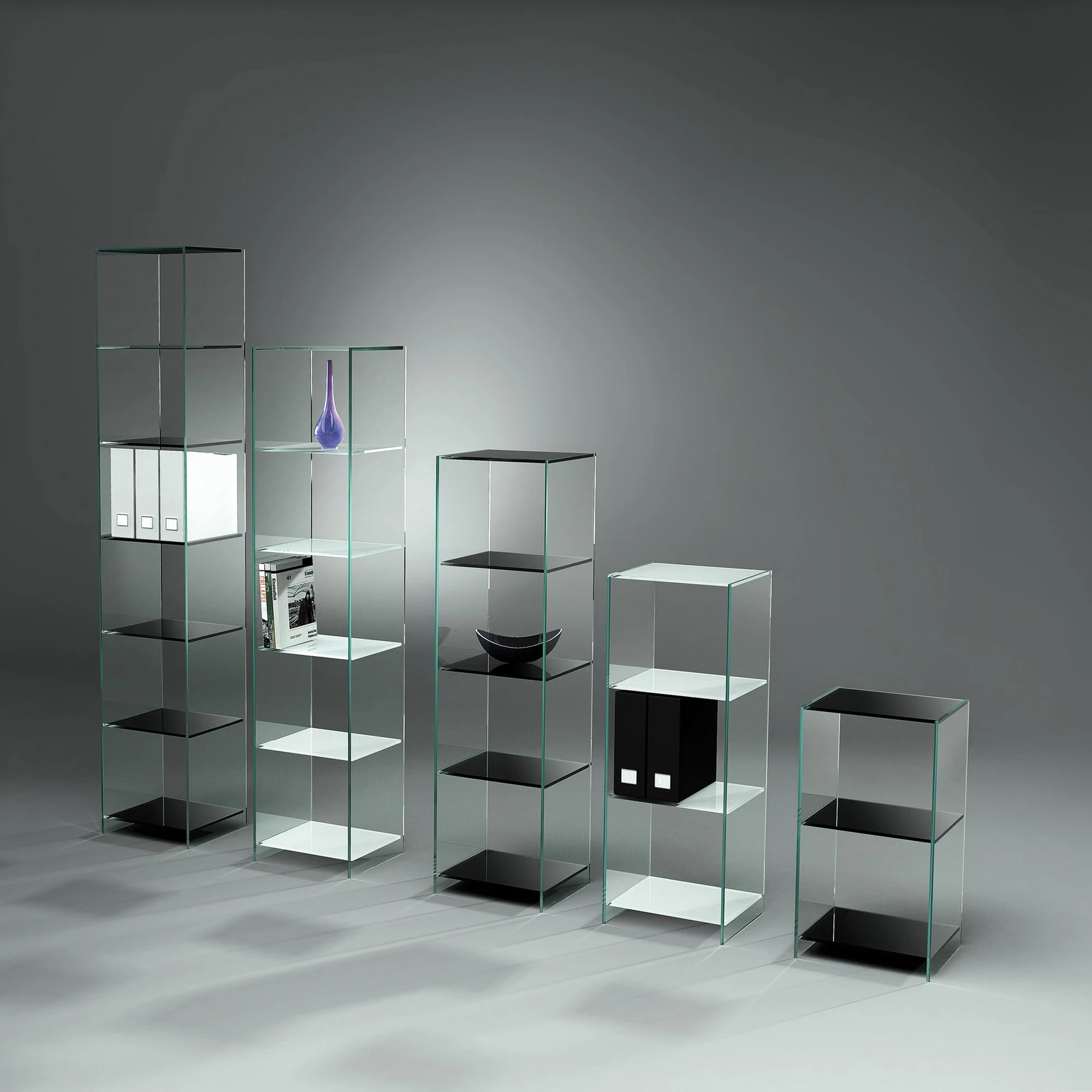
Models from the DREIECK DESIGN collection
Include the venue, set-up date and exhibit dimensions when enquiring about a piece for your stand. For a permanent showroom, tell us how often you plan to change the display.
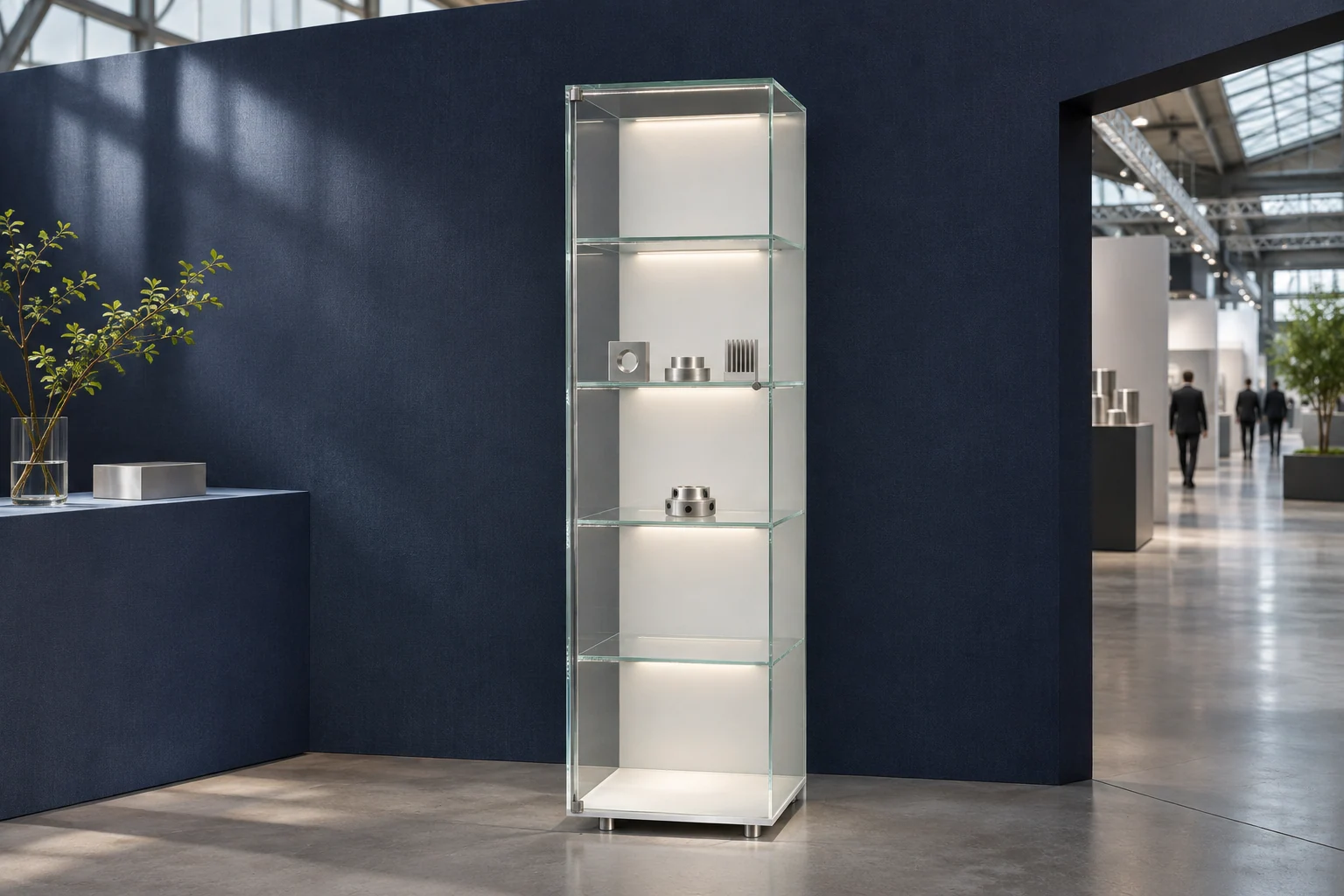
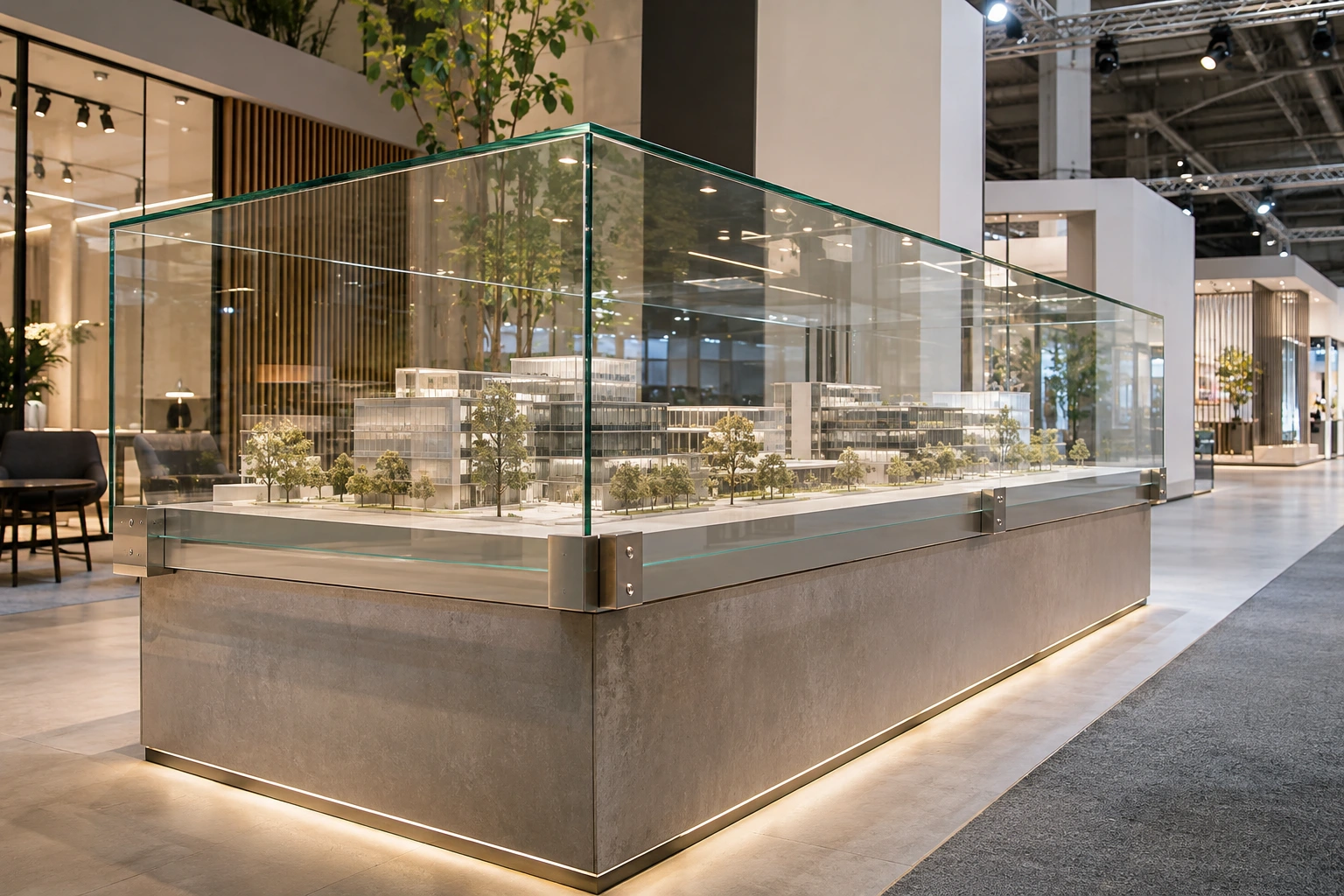
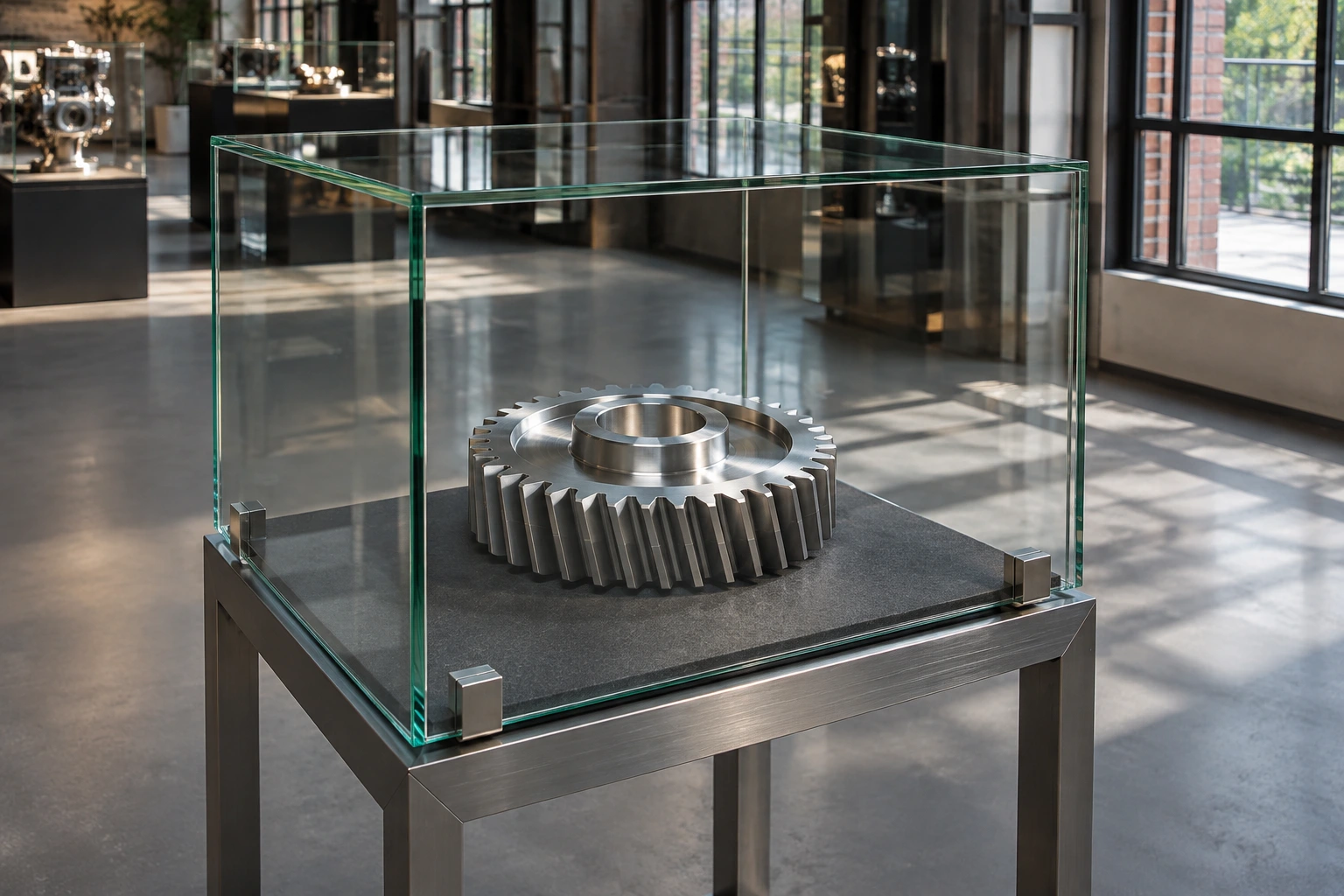
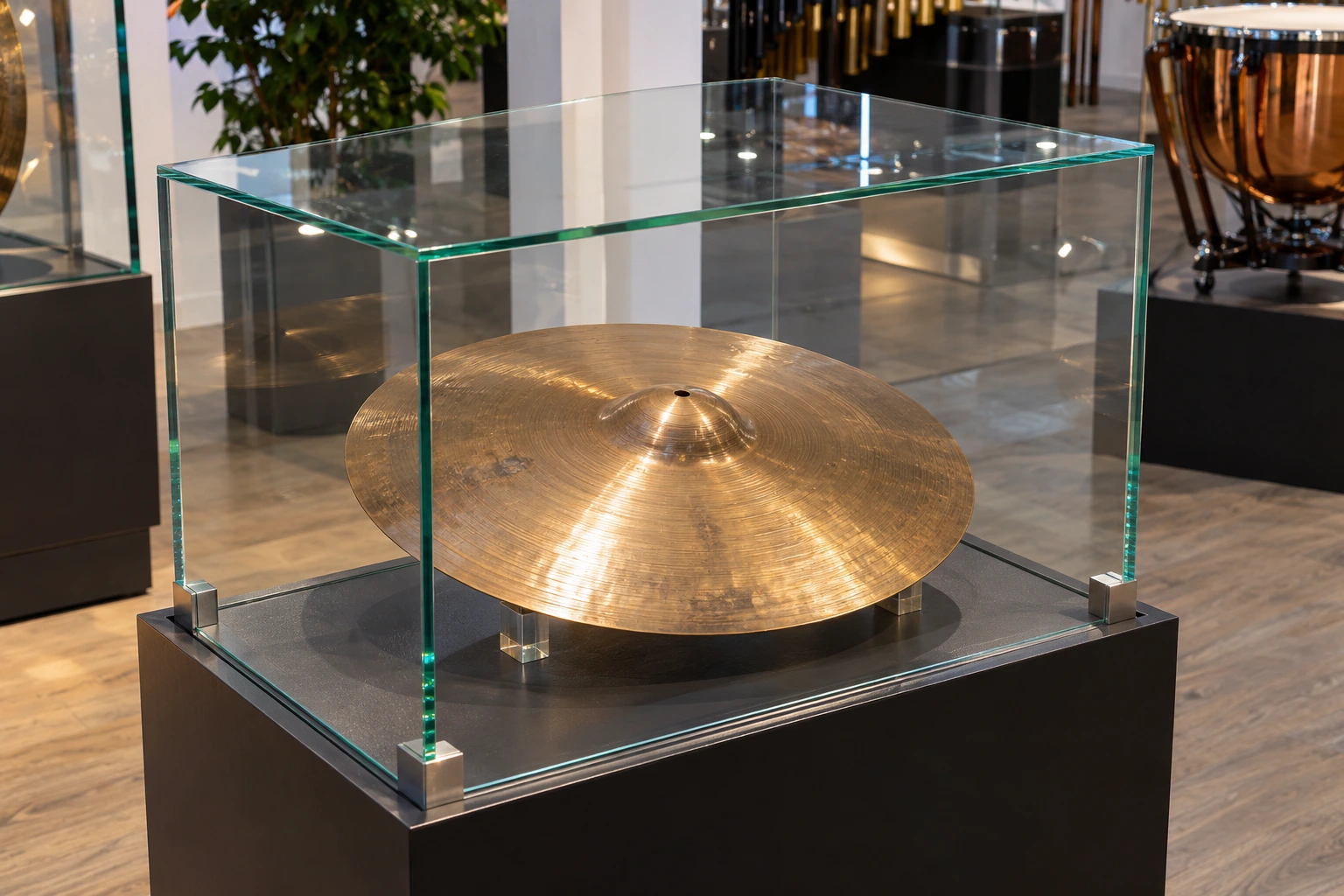
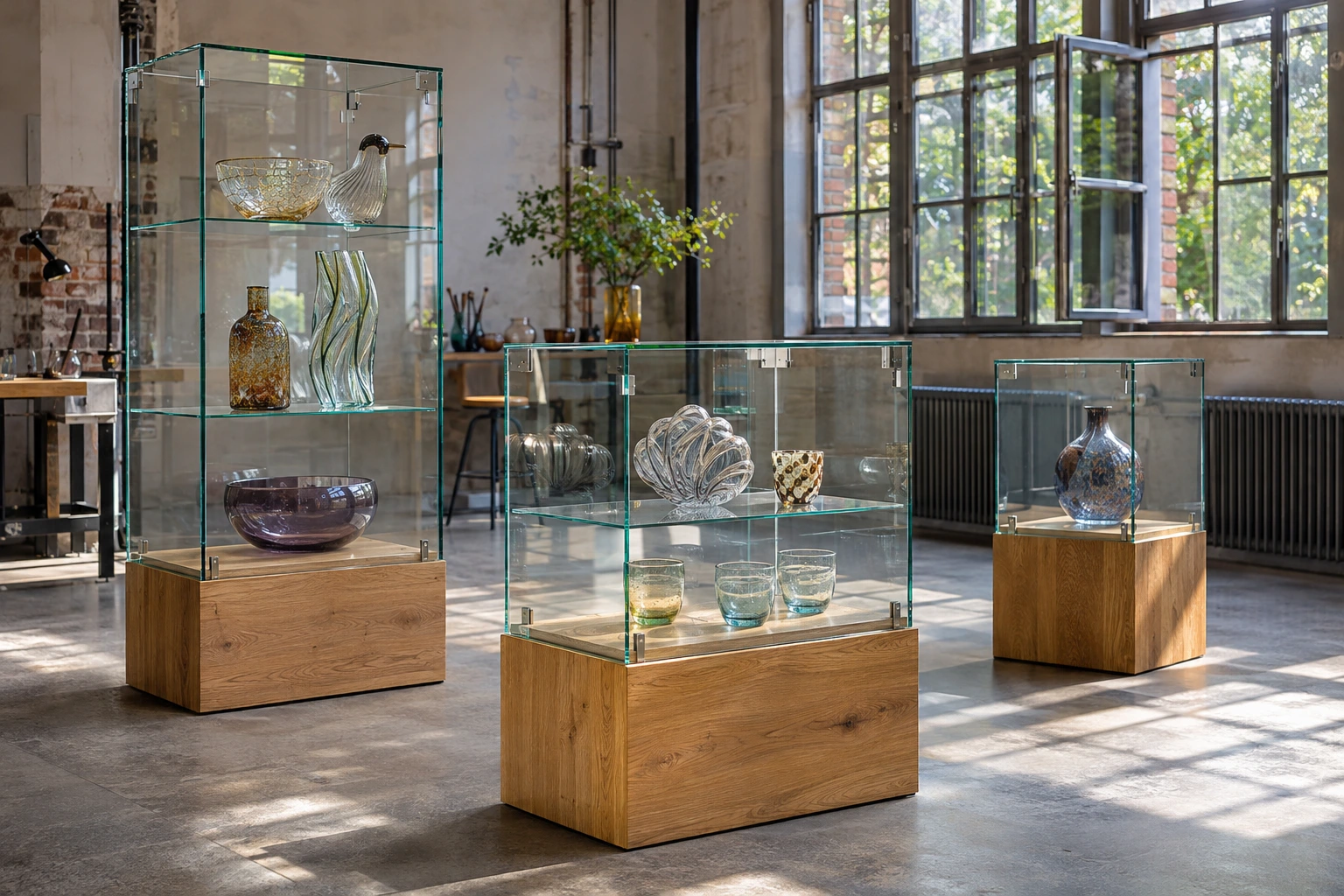
Exhibition display cases for prototypes, models and small objects
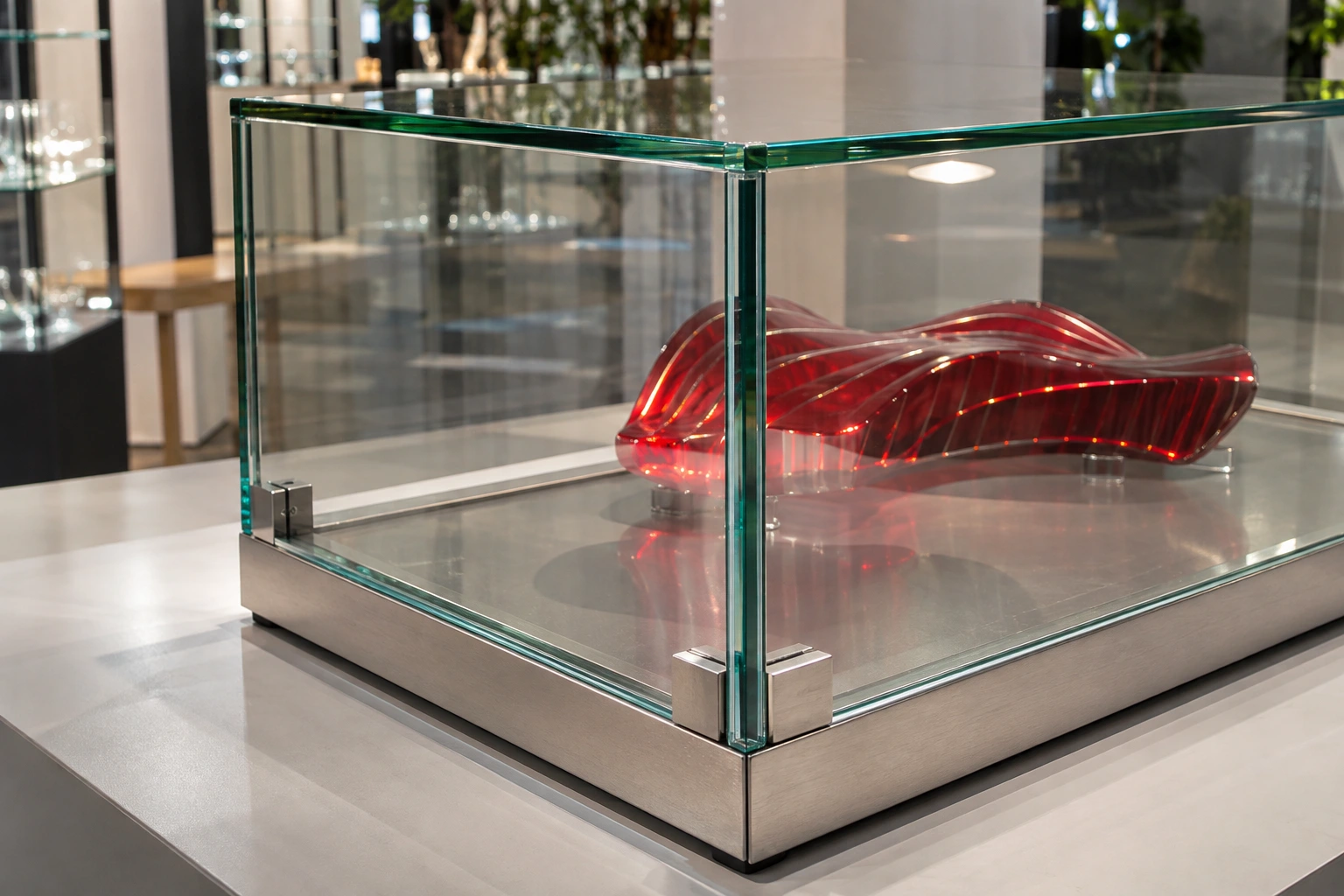
Which detail tells the story of your product? If it is on the top of a component, a low case that visitors can look down into may work well. An upright model with details on several faces might suit a freestanding case. A photograph indicating the main viewing angle helps establish the display height and orientation.
For a bespoke glass cover, measure the exhibit together with its plinth and any mounting hardware. Allow room for the team to place it inside. With delicate or heavy objects, discuss access early. Lifting a cover over a model and placing a model through a door are quite different operations for the people installing it.
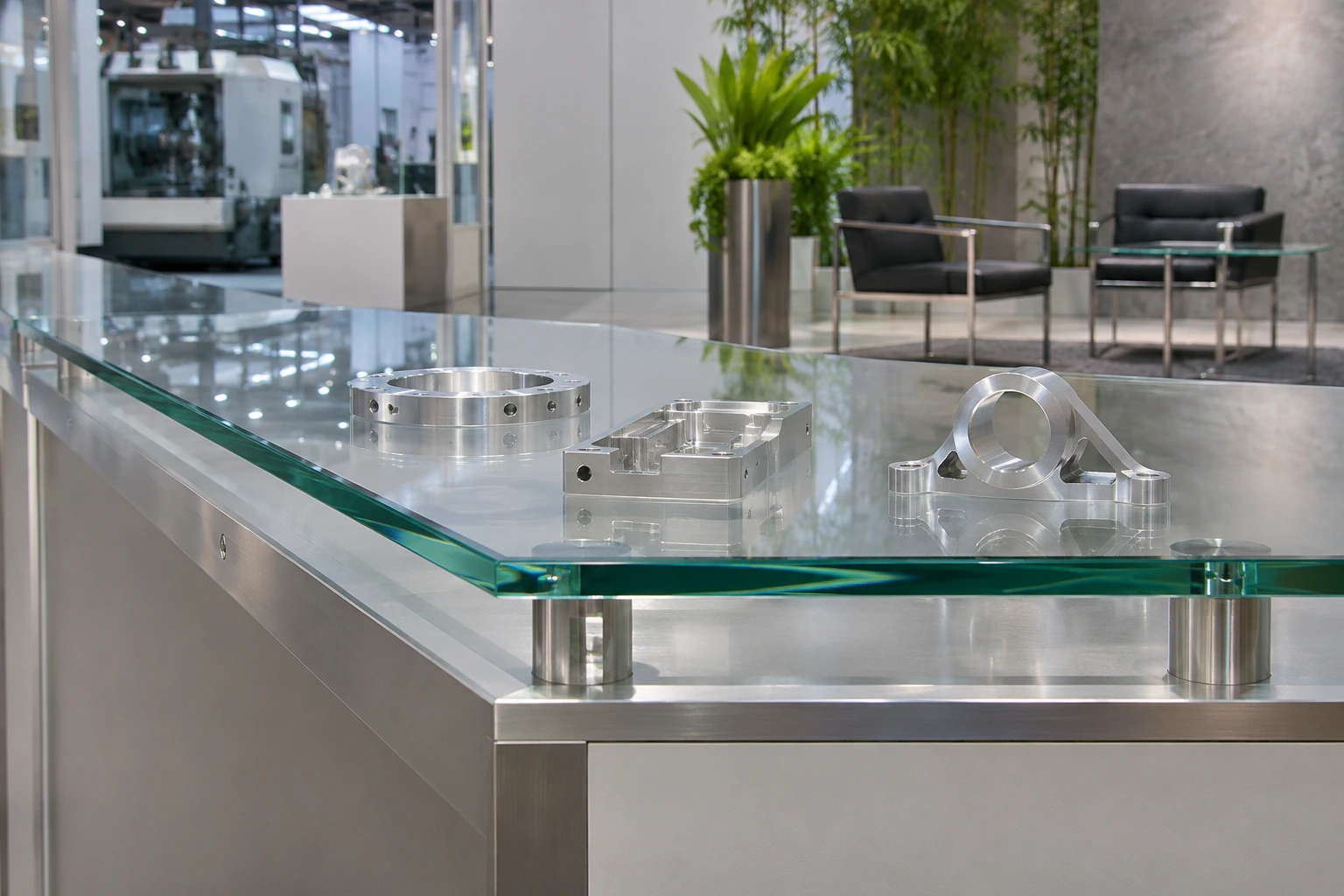
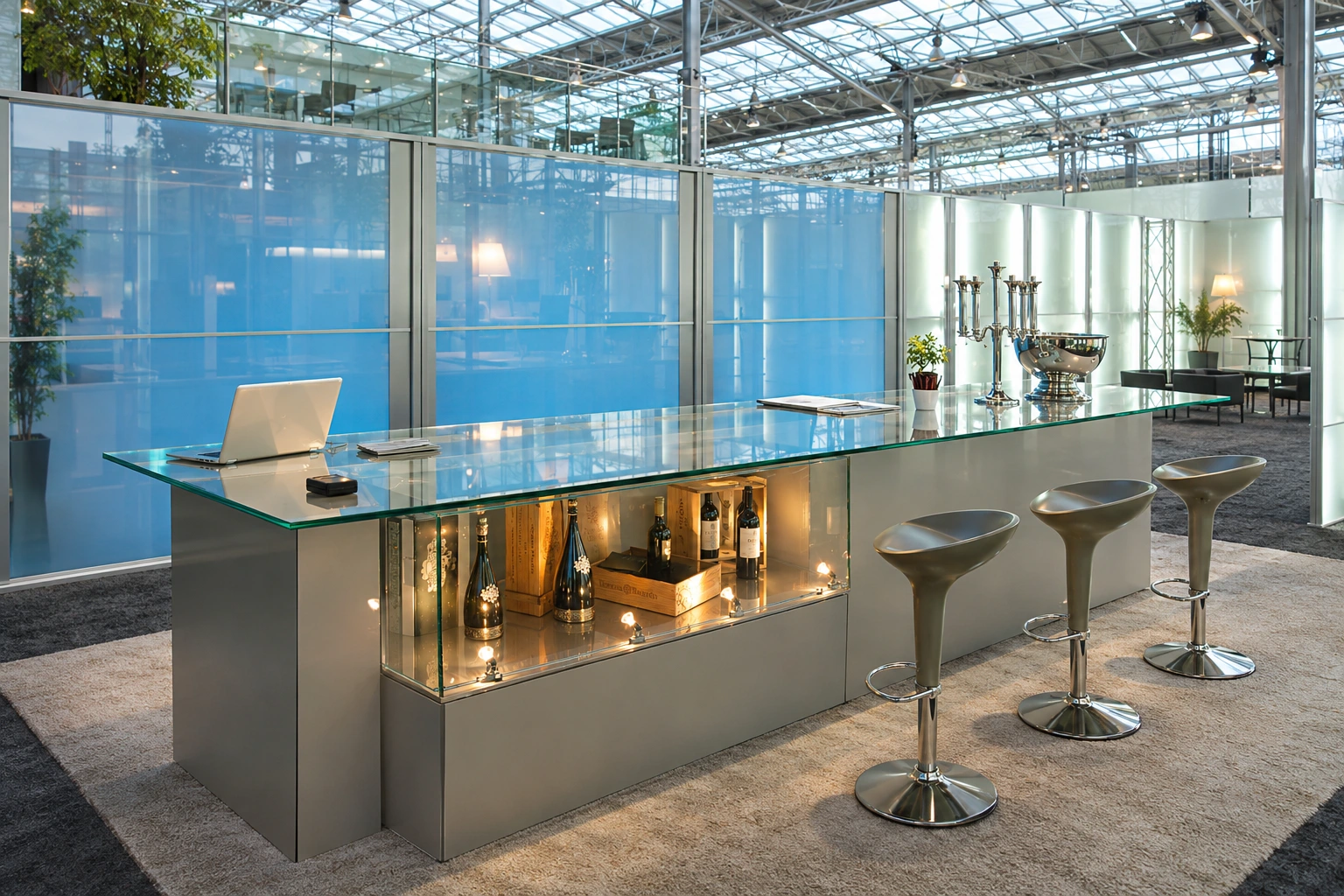
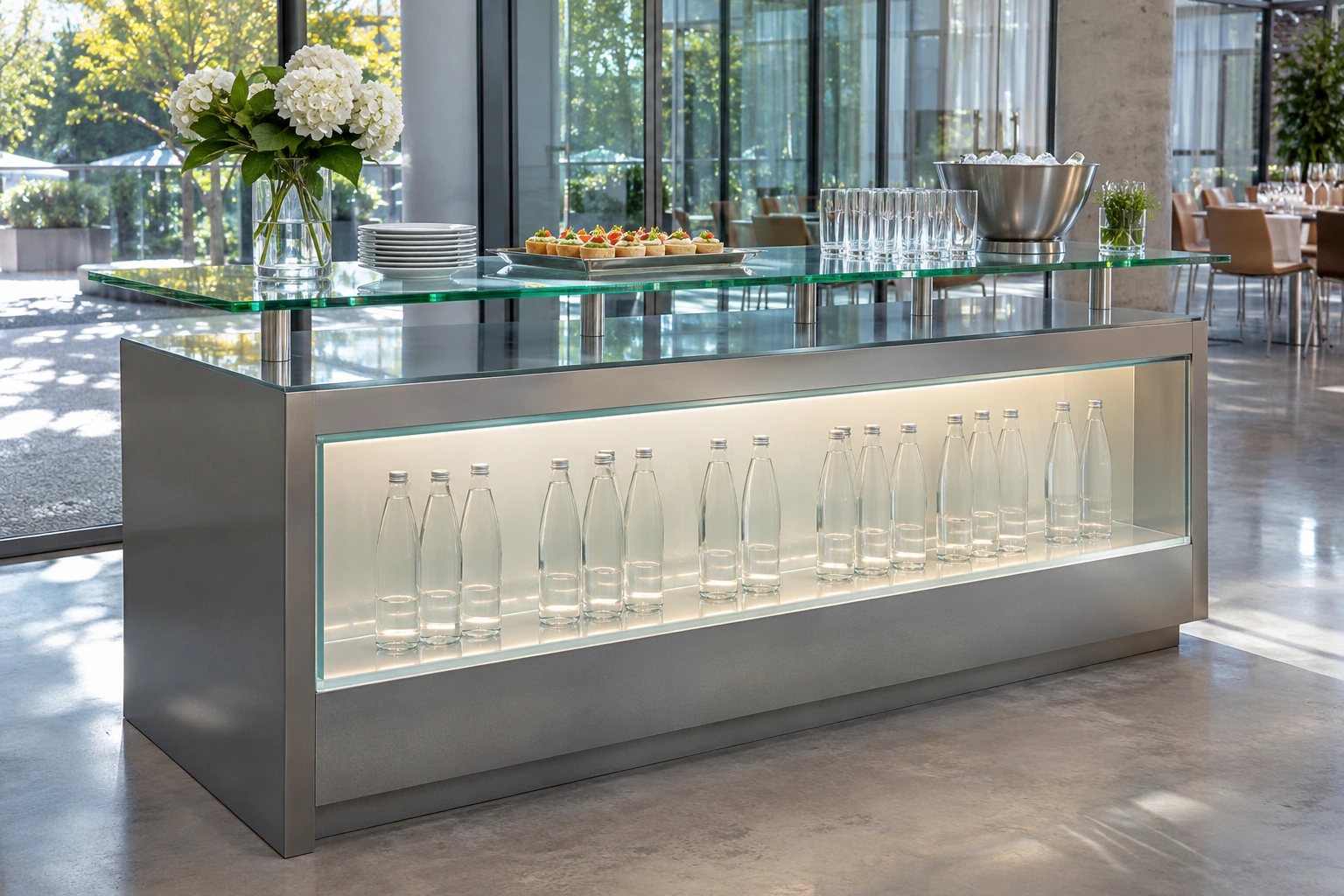
A display counter for welcoming visitors and demonstrating products
On a busy stand, visitors often stop where they can see a product. An aisle-facing glazed compartment can open a conversation. Staff also need space for spare samples and literature. Mark on the floor plan where the counter opens and where two people can stand together without blocking the person giving the demonstration.
If a presentation uses a screen or an instrument, include its footprint, power connection and operating position in the brief. Tell us whether staff will take the samples out of the case to show them. That helps determine how much clear counter space to leave beside the display.
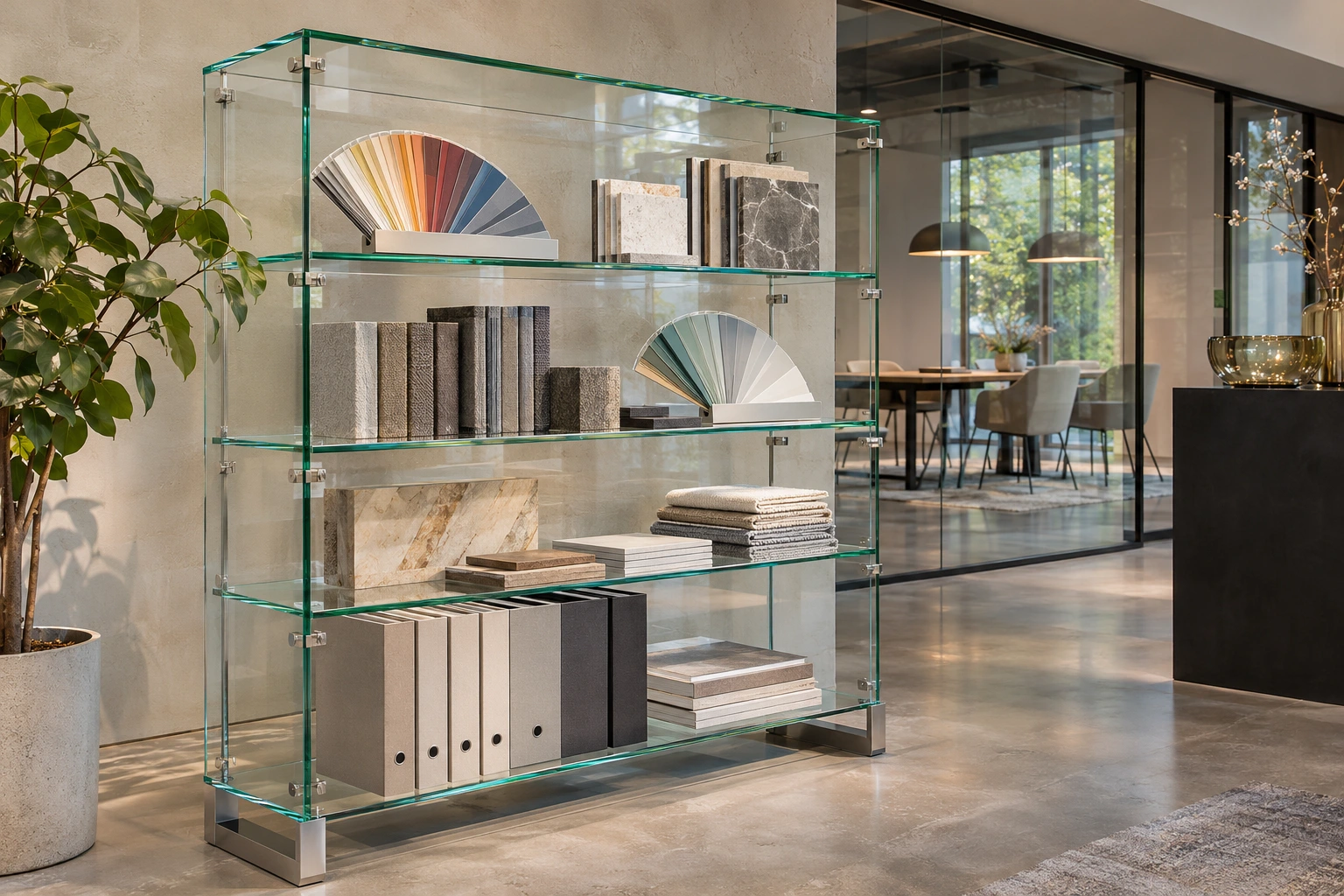
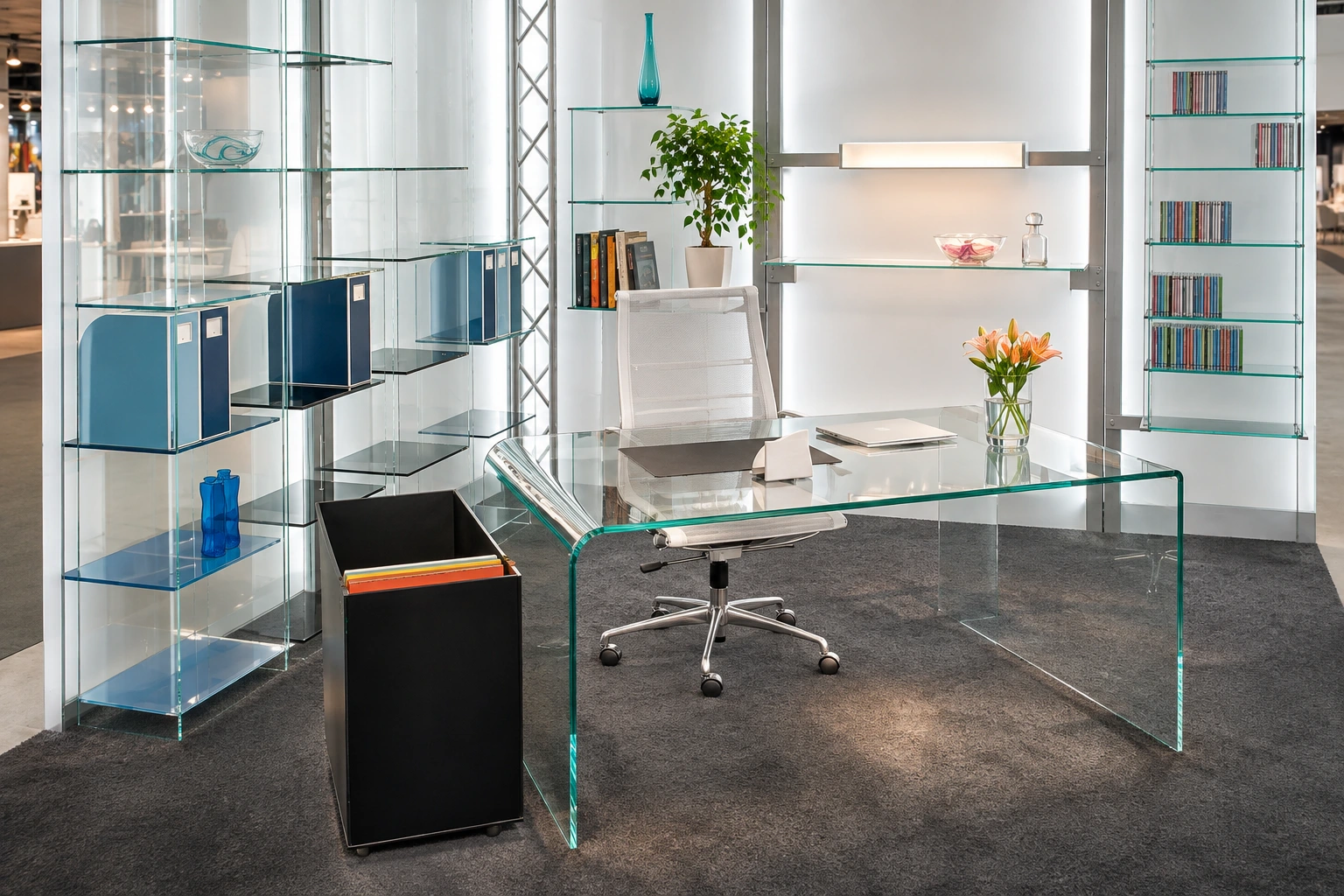
A sample library for a permanent showroom
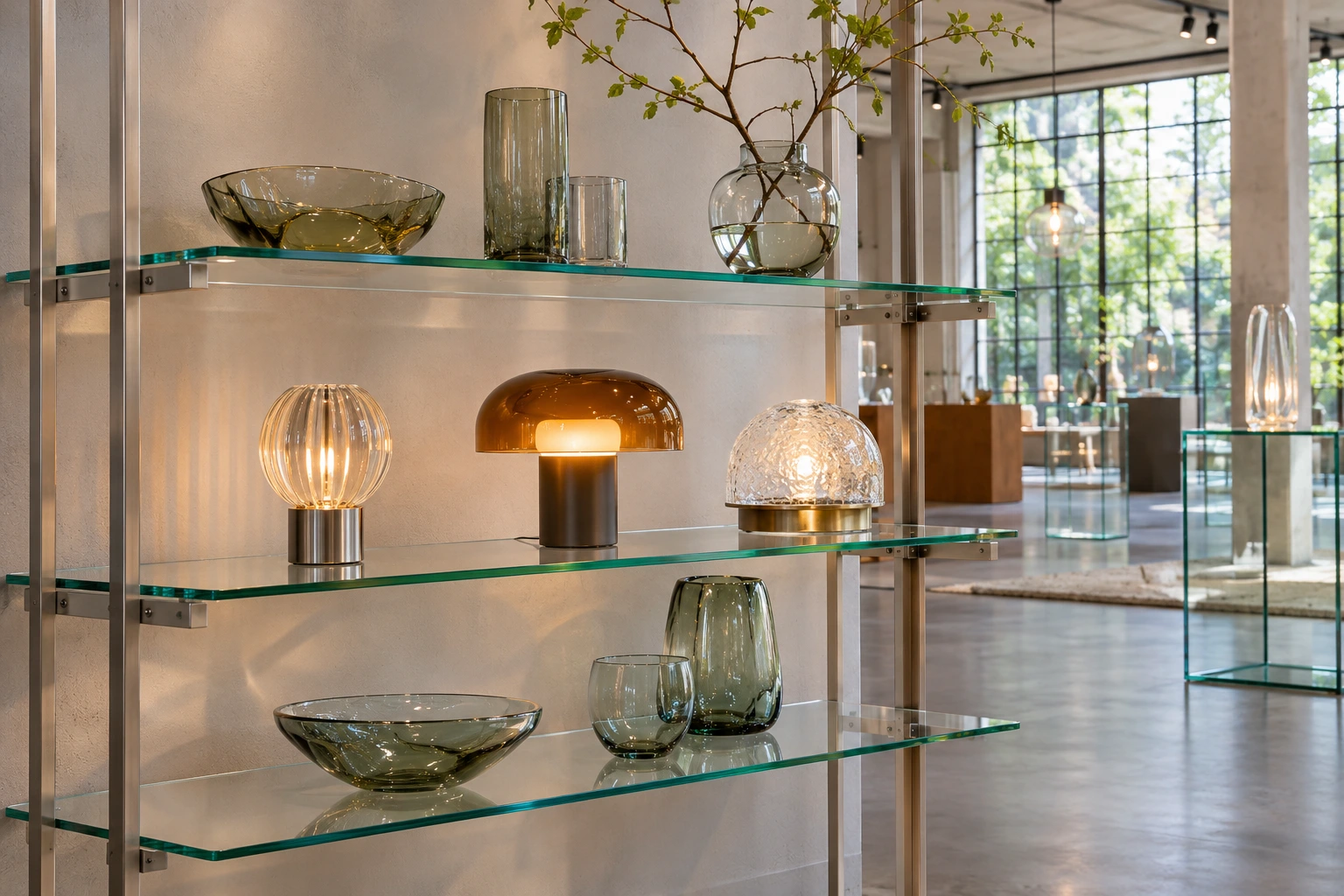
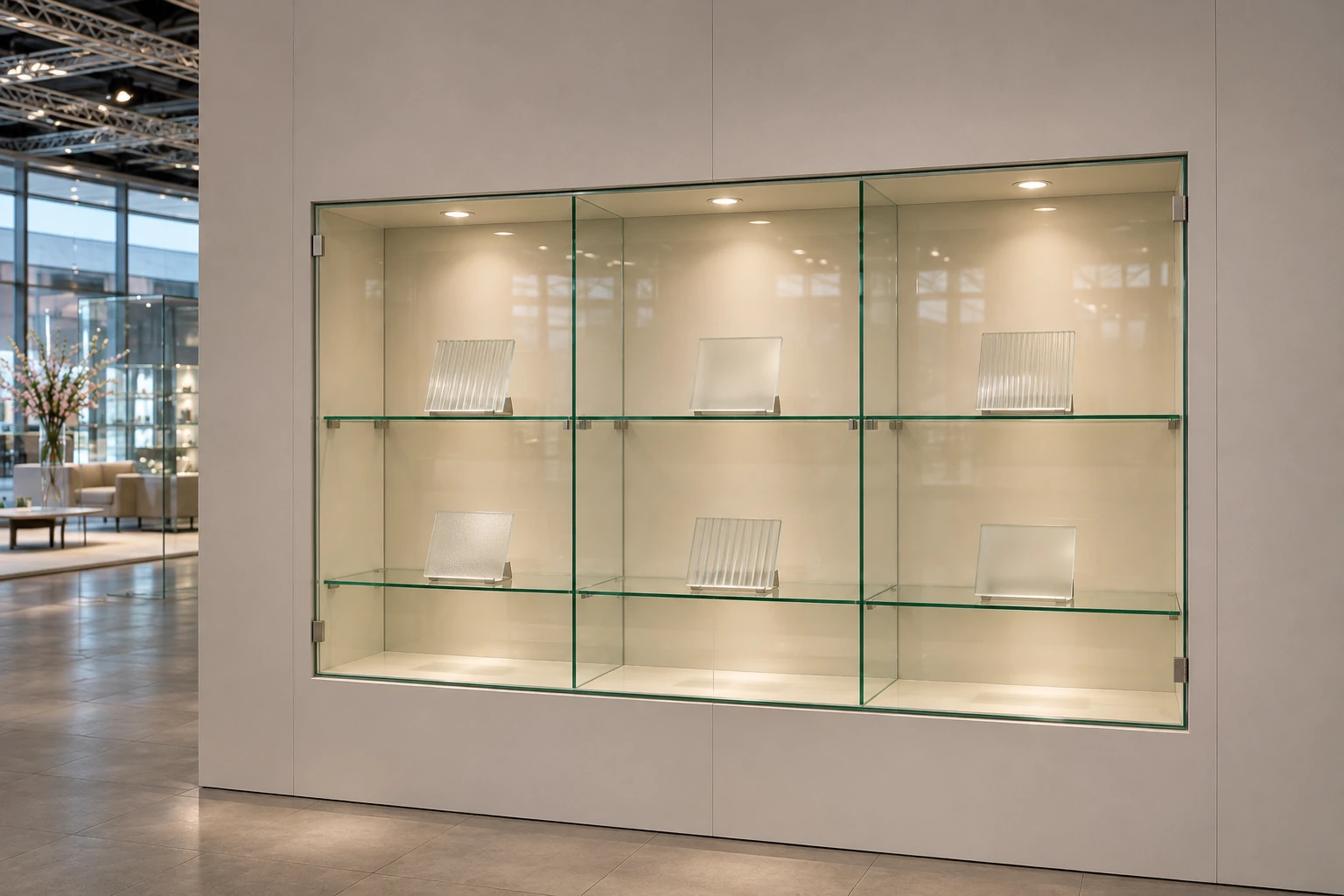
In a maker's showroom, visitors may want to compare finishes or versions side by side. Start by grouping samples according to the decisions your customers make. Which finishes are usually compared? Which detail needs to be at eye level? The answers help establish shelf widths, spacing and a place for a sample label.
Where samples regularly come off the shelf during a consultation, a table within reach is useful. Work out its size with the actual pieces laid out, including any open sample books. For heavy materials, include the weight of each piece and the expected quantity per shelf so we can assess the proposed glass shelving.
Planning for installation and the next event
For an exhibition, the key date is the build-up day. Include the venue, hall and stand number if known, together with the delivery and installation window. A drawing with open aisles, doors and service points helps position the furniture. Your stand contractor or event organiser can confirm the rules that apply to your particular event.
If the same display island is going on to a showroom or a second trade fair, describe both locations. Door widths, handling routes and storage space all affect practical sizes and how the furniture can be divided into sections. For an initial enquiry, send a furniture count, a sketch and a short account of the planned demonstration.
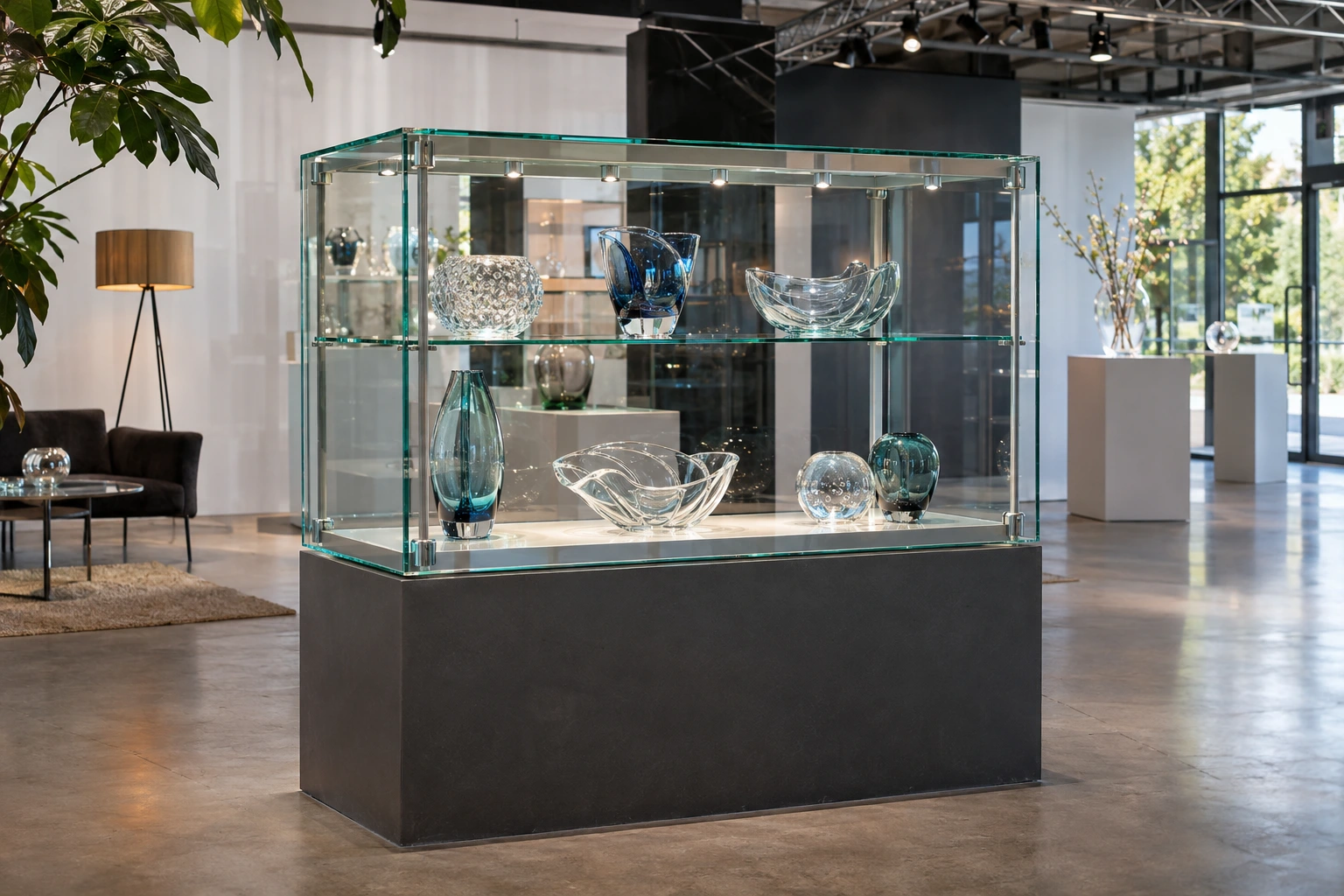
Ideas for your project
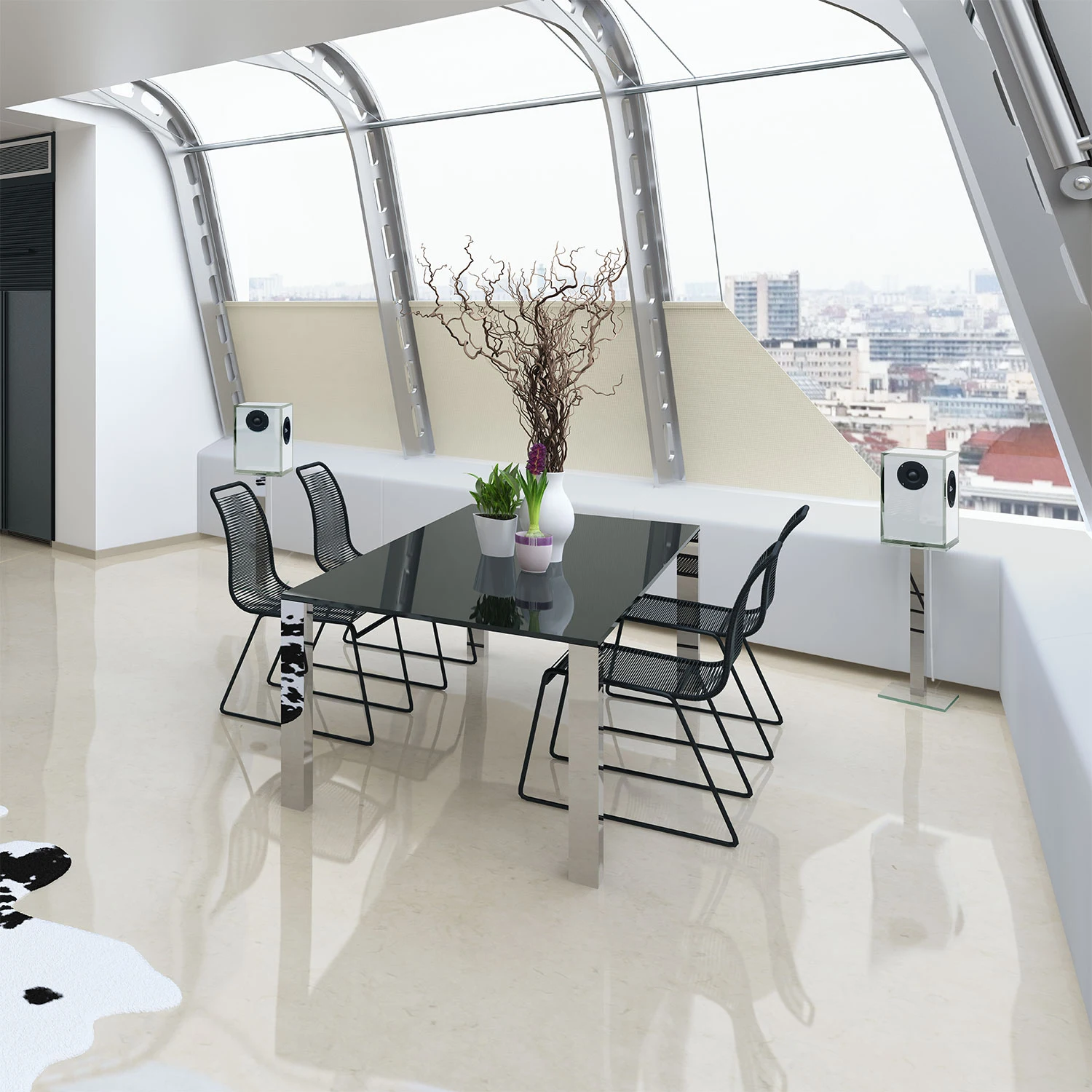
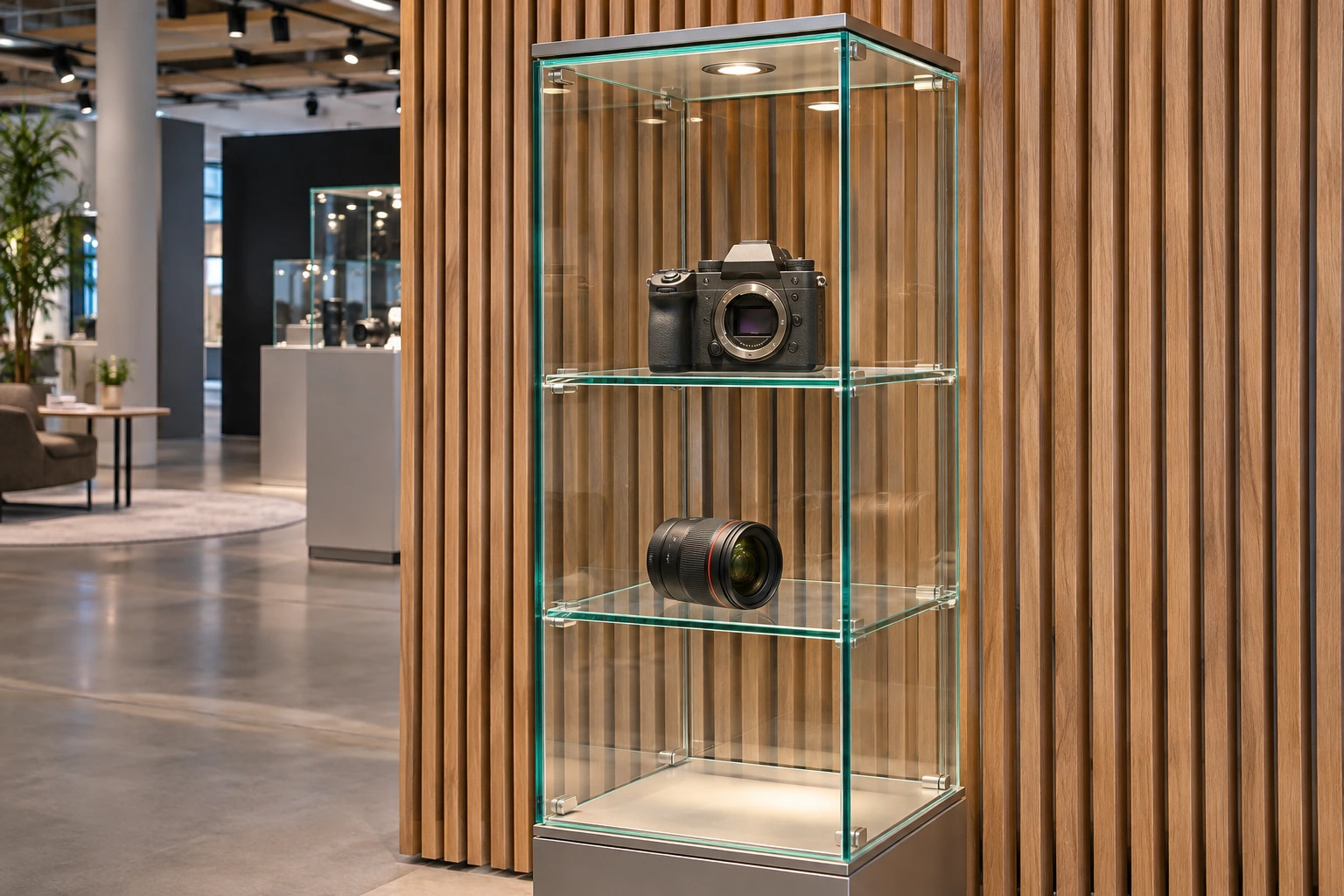
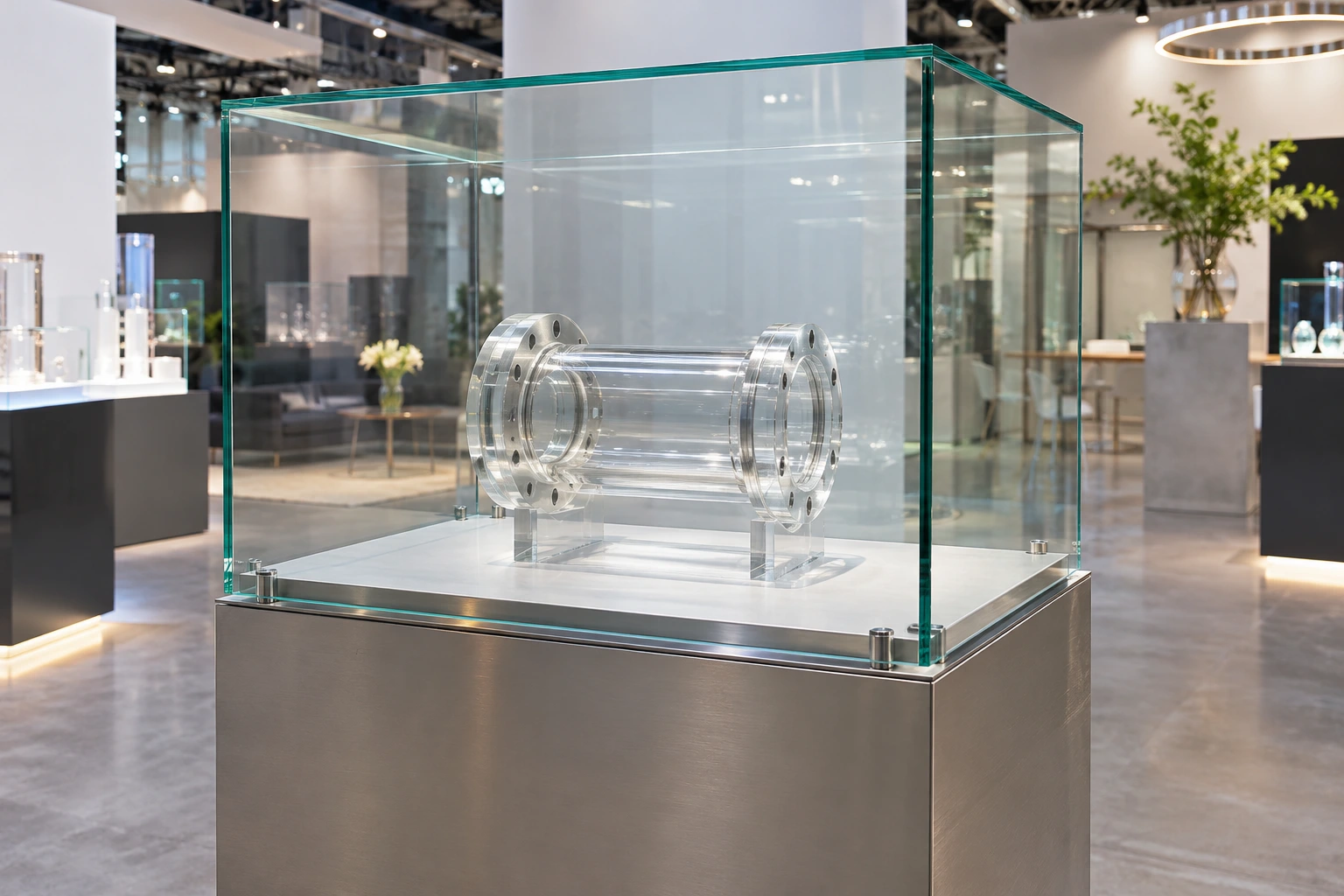
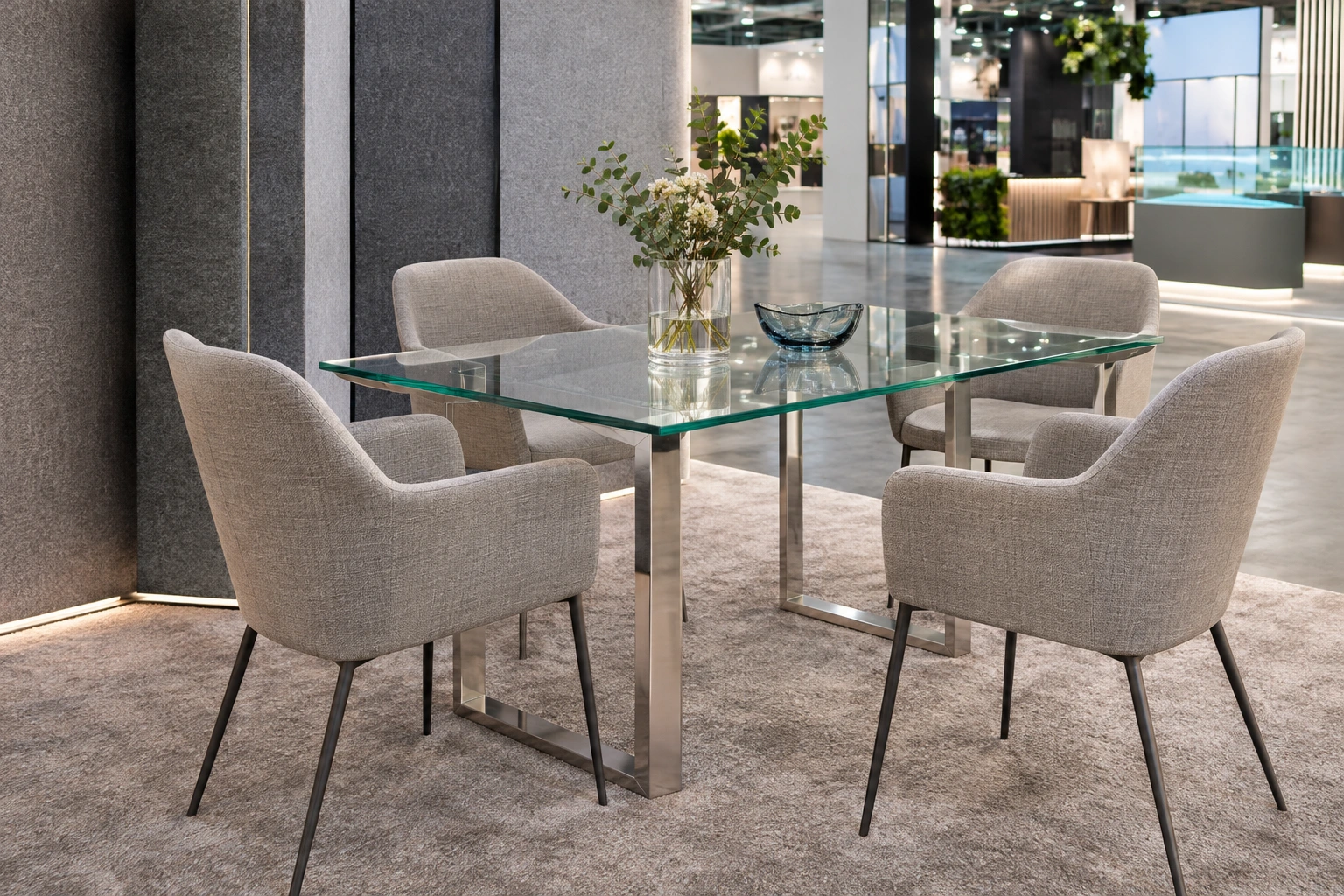
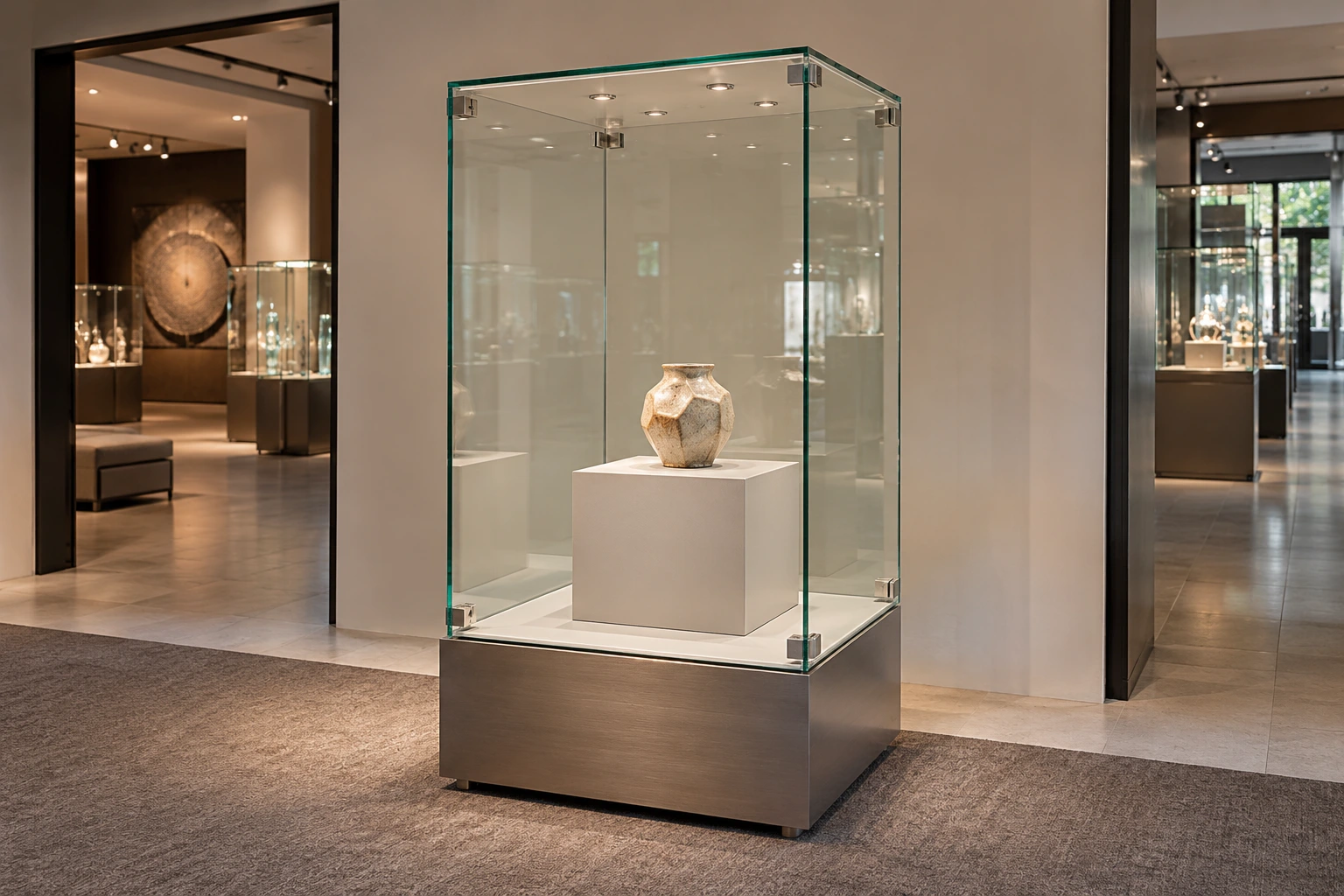
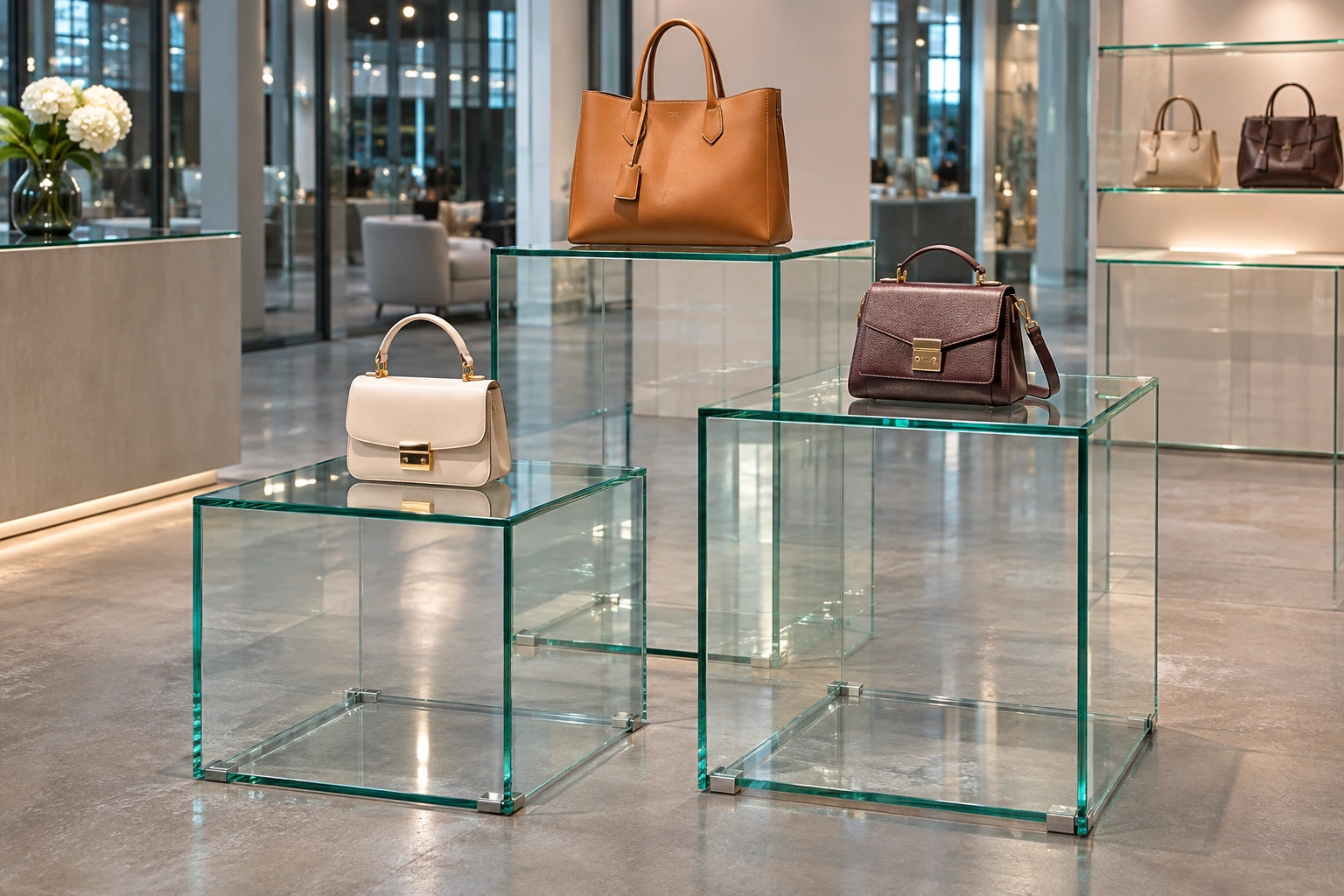
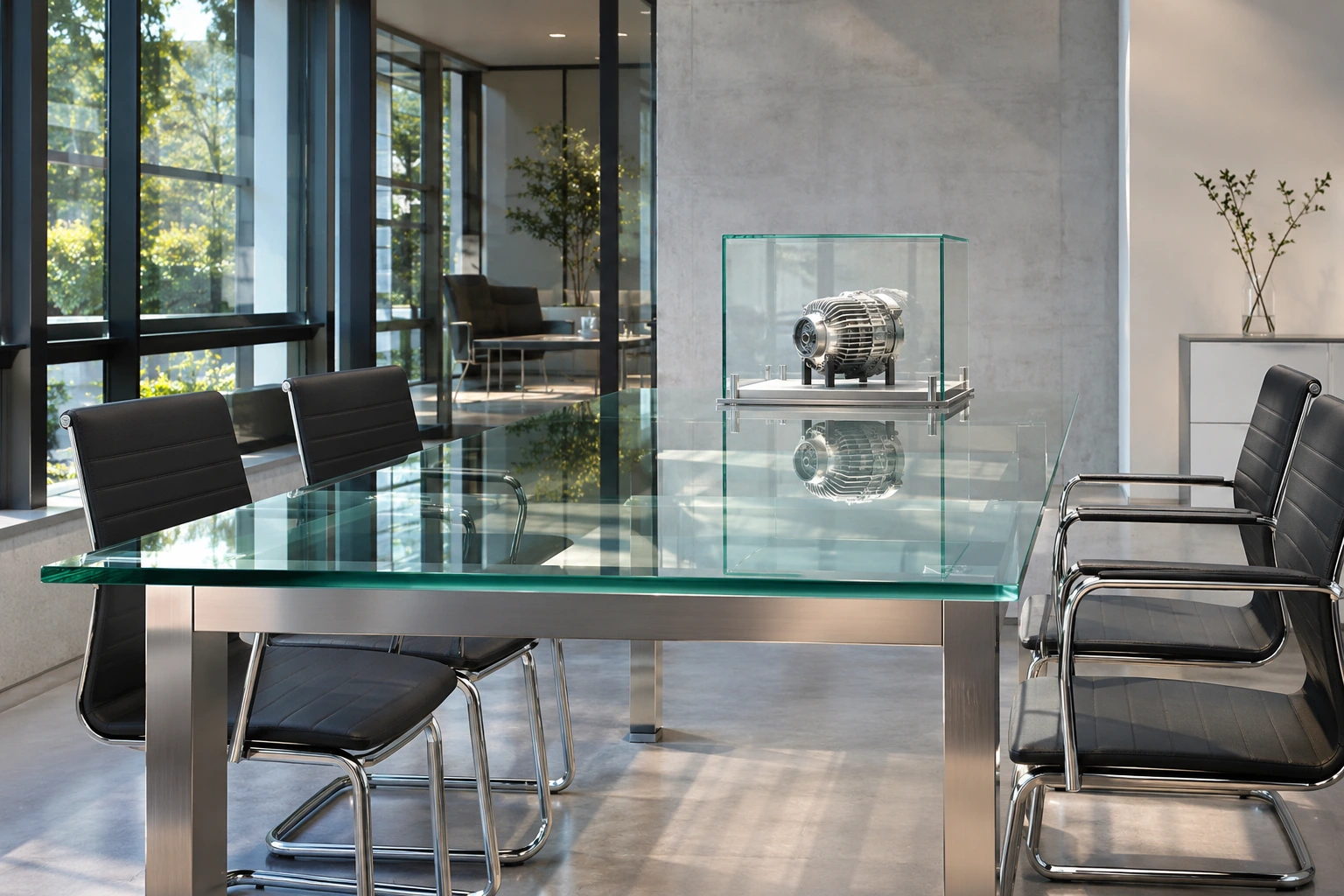
These visualisations illustrate how bespoke furniture could work in this setting.

Planning questions
What can I send before the stand layout is final?
Send the booked floor area, open sides, build-up date and approximate number of exhibits. Mark provisional measurements as such. An image showing the size of your product is enough to begin discussing a suitable type of case.
Can our team take a product out to show a visitor?
Tell us the size and weight of the piece, how often staff will remove it and which side they will be working from. The opening and a clear surface next to the case can then be planned around that demonstration.
What should we include for a series of trade shows?
List the venues in order, the time between events and the stand sizes. Tell us who handles dismantling, transport and storage. This gives us a basis for assessing practical component and packing sizes for your team.
Your project with DREIECK DESIGN
Tell us about the space, the furniture you need and your schedule. Approximate dimensions and quantities are enough to start the conversation.