
Bespoke museum display cases and glass covers
Bespoke museum display cases and glass covers
Visitors may lean in to read the inscription around a coin, then stand well back to take in the outline of a ship model. A museum display case starts with how people will look at the object. It also has to work for the team who mount it, look after it during the exhibition and take it out again.
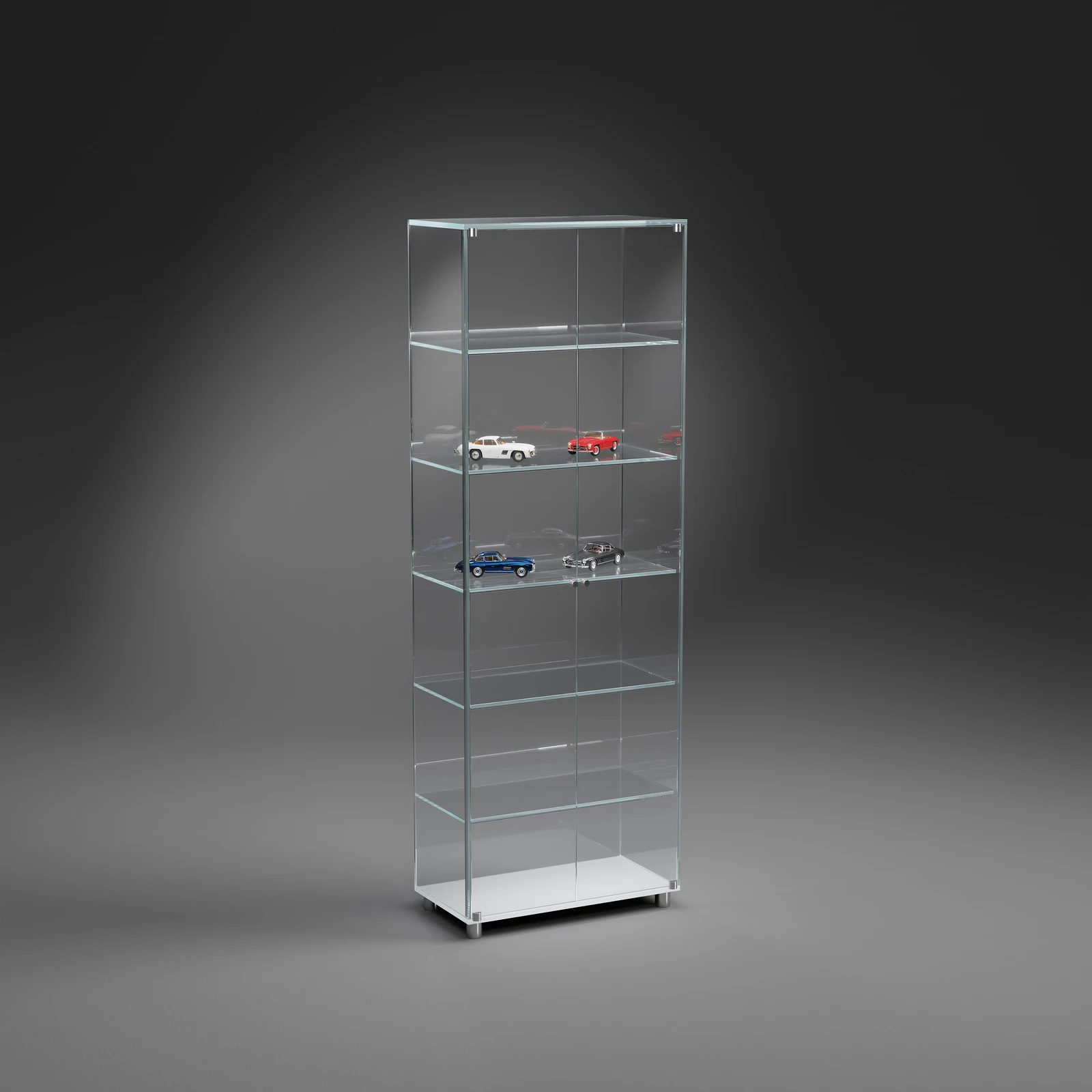
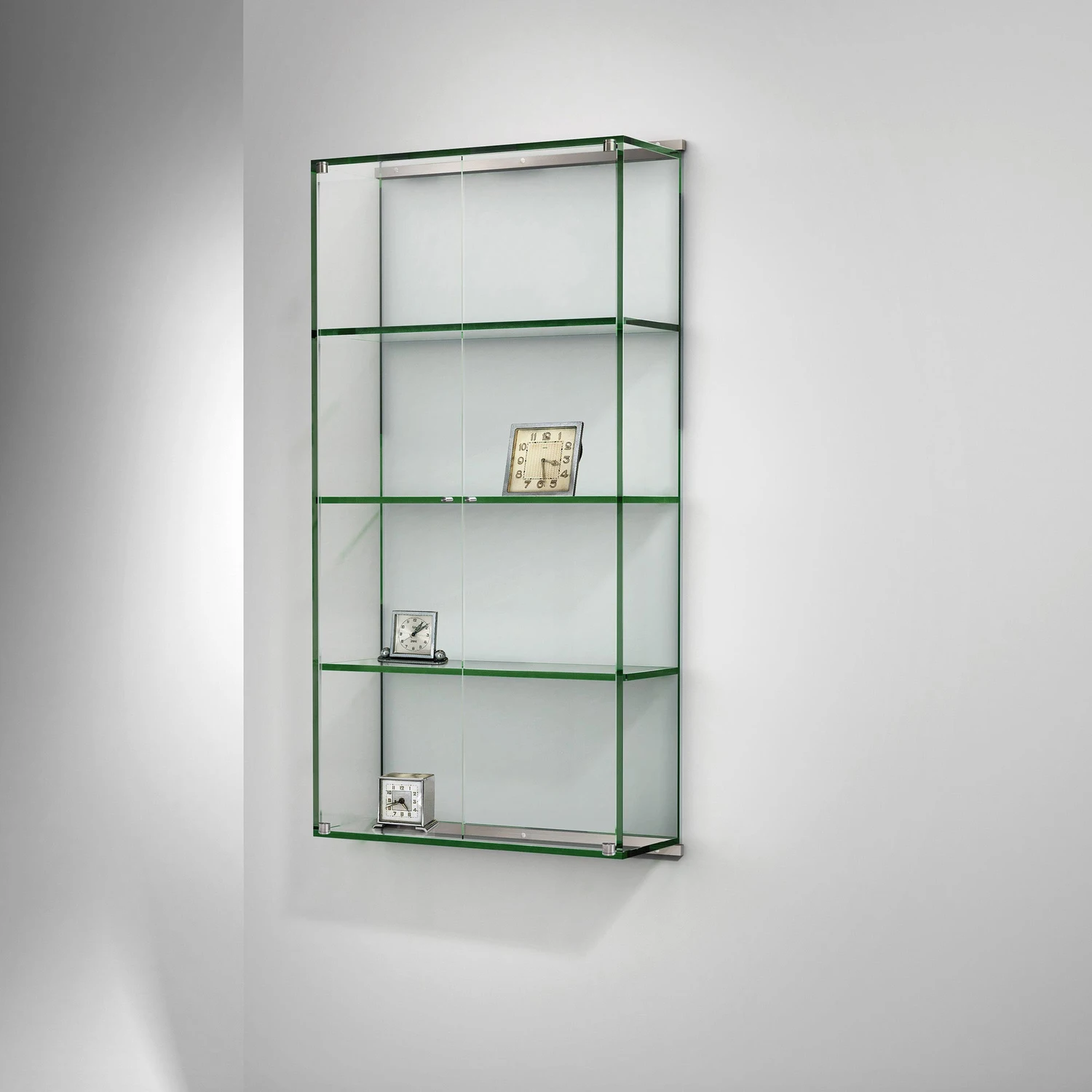
Models from the DREIECK DESIGN collection
The illuminated SOLUS LED LINE cabinet can display smaller exhibits. For loans with specific security conditions, we review glazing, locks and anchoring as part of a separate project brief.
A glass cover made around the object
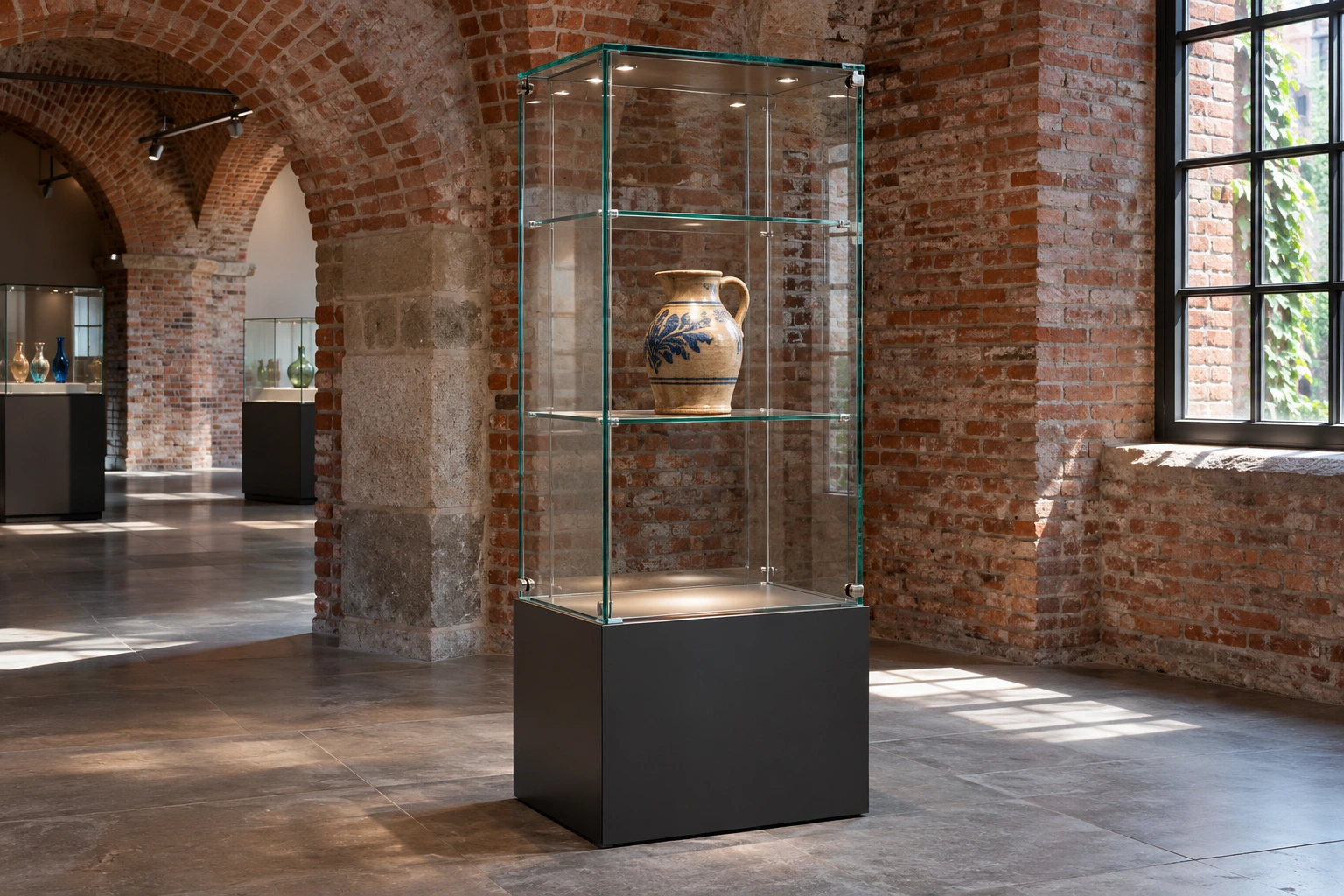
A bespoke glass cover can turn an existing plinth into a display for a single pot. A shallow cover gives visitors a view from above. A tall vessel needs room around its handles so that its profile can be seen from an angle. Dimensions need to include its mount and the surface on which the cover will sit.
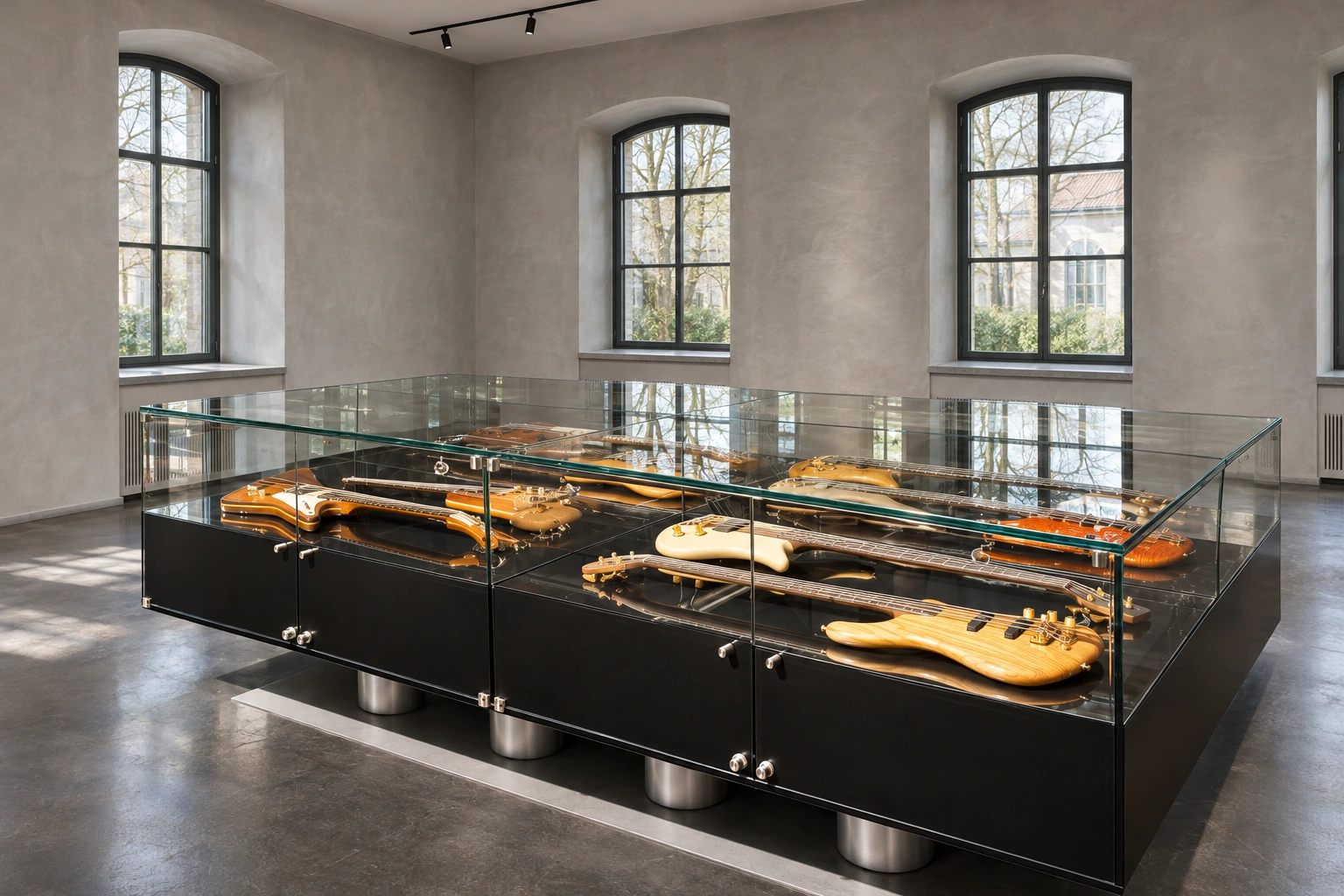
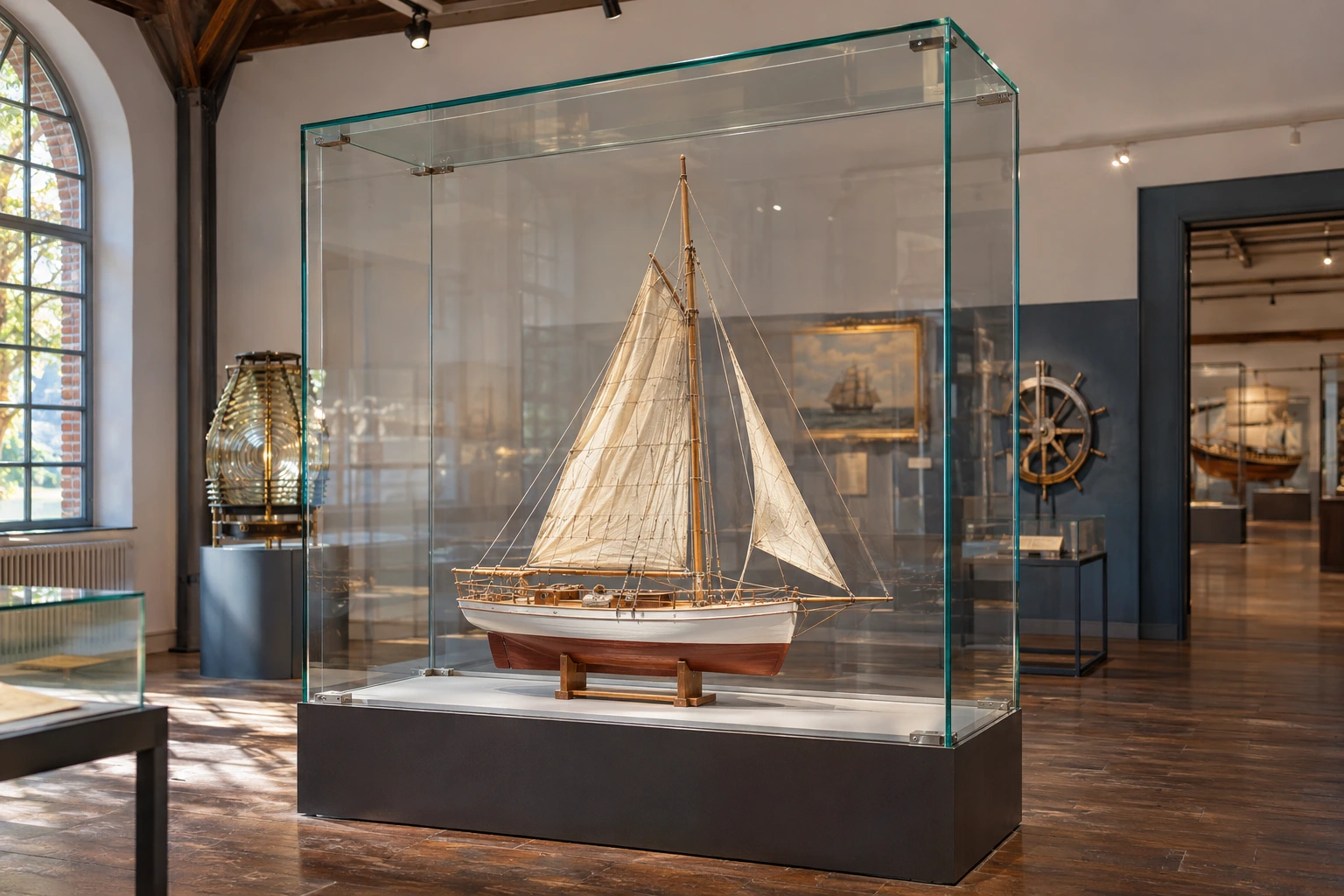
For a long object such as a musical instrument or a model ship, establish how it will enter the case. A lift-off cover needs headroom and somewhere to set it down safely. If the display changes often, an opening at the side may give staff easier access.
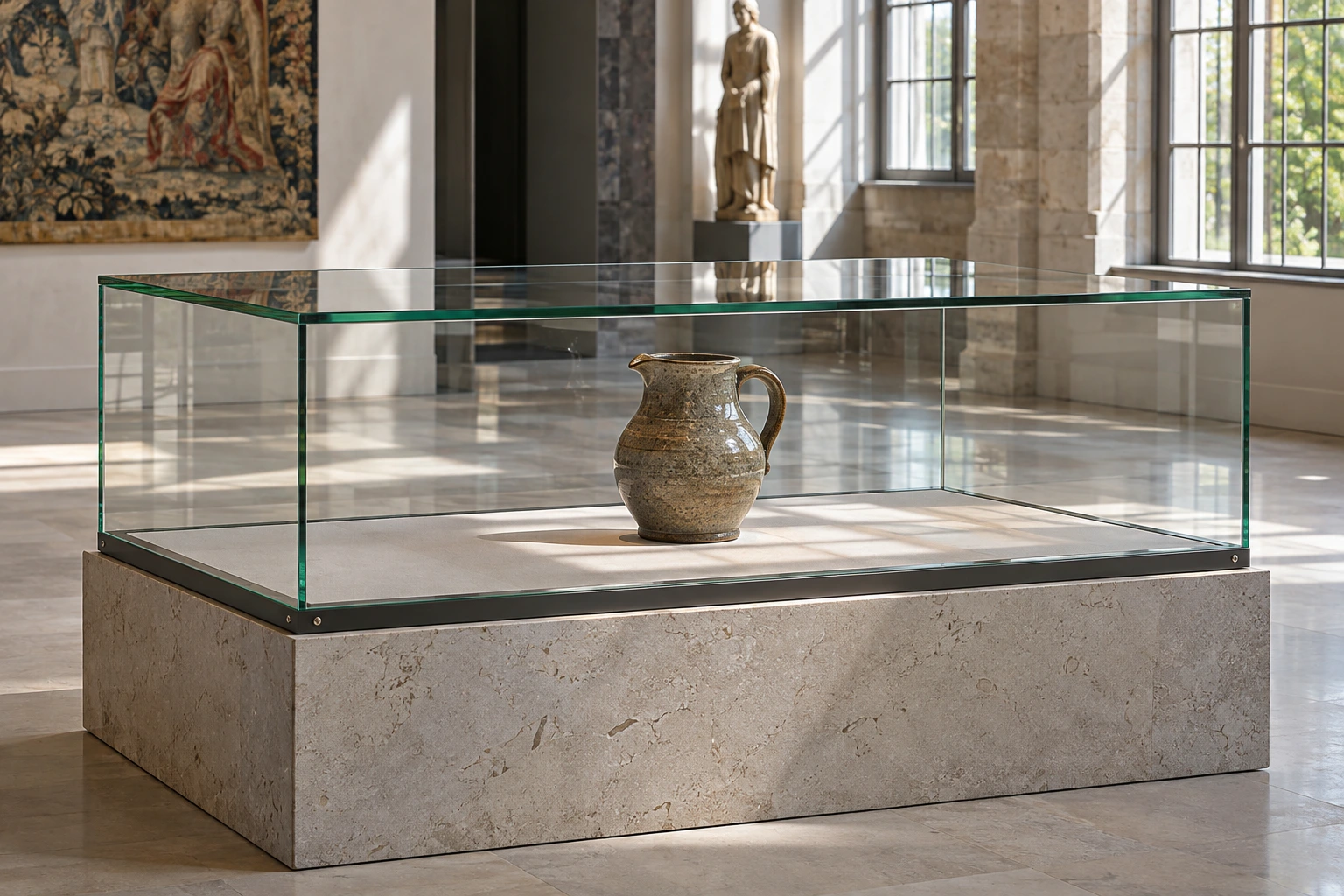
Table cases for coins, drawings and manuscripts
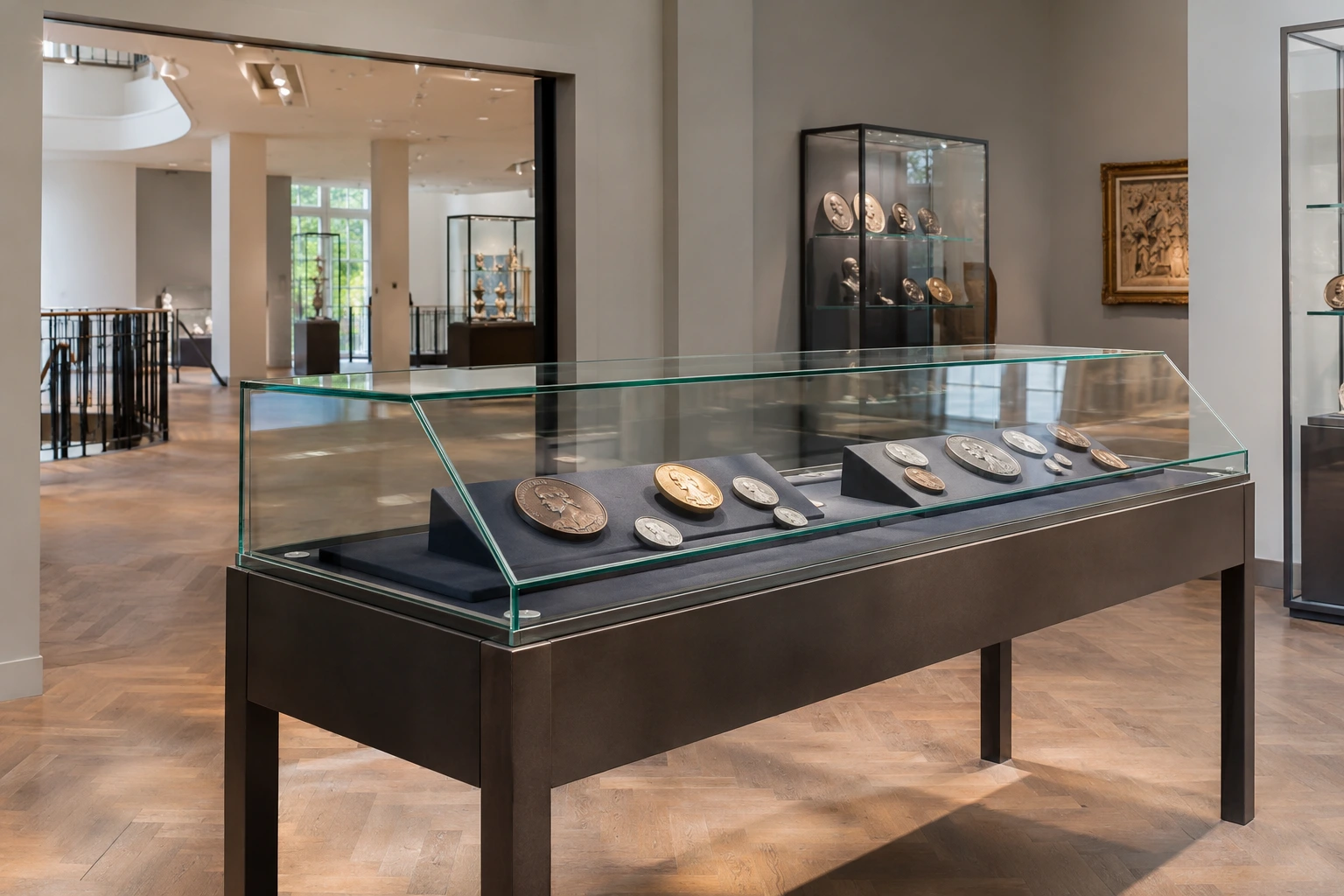
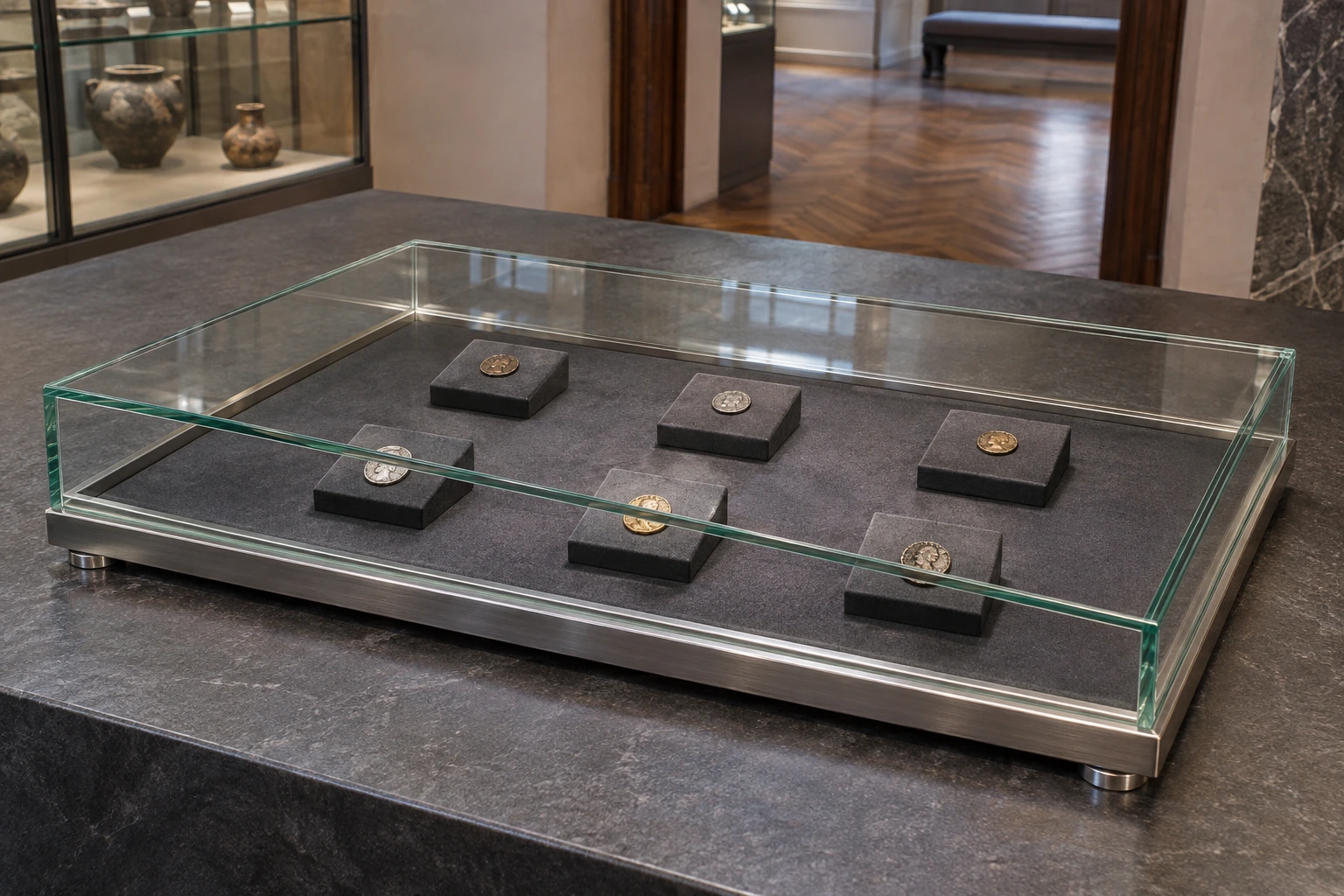
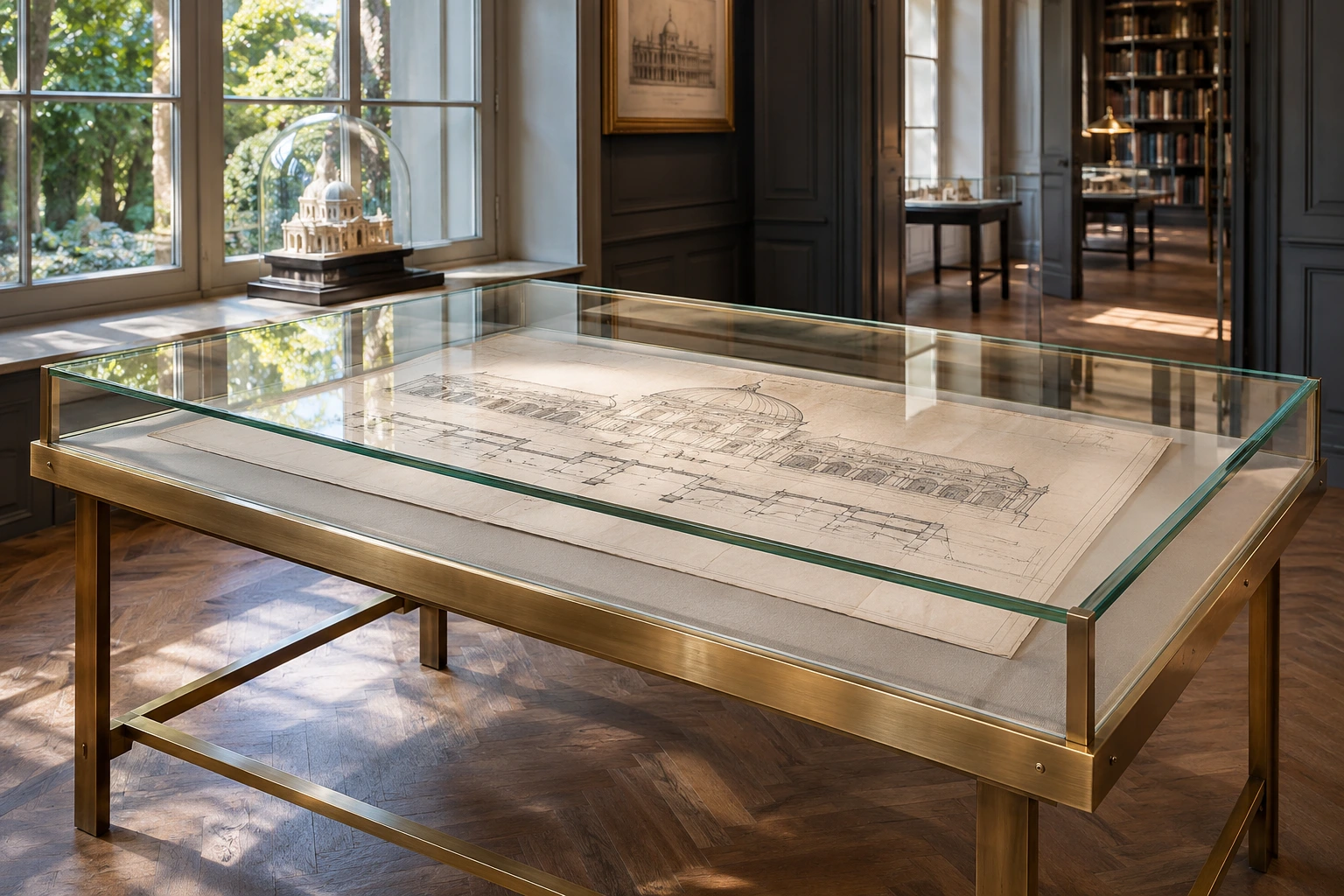
Viewing height makes a particular difference with small, flat objects. Try placing a sample and its label at the proposed height. Can a seated visitor read the date or see the detail referred to on the label? A table case with access on both sides lets visitors follow a long sequence from either side.
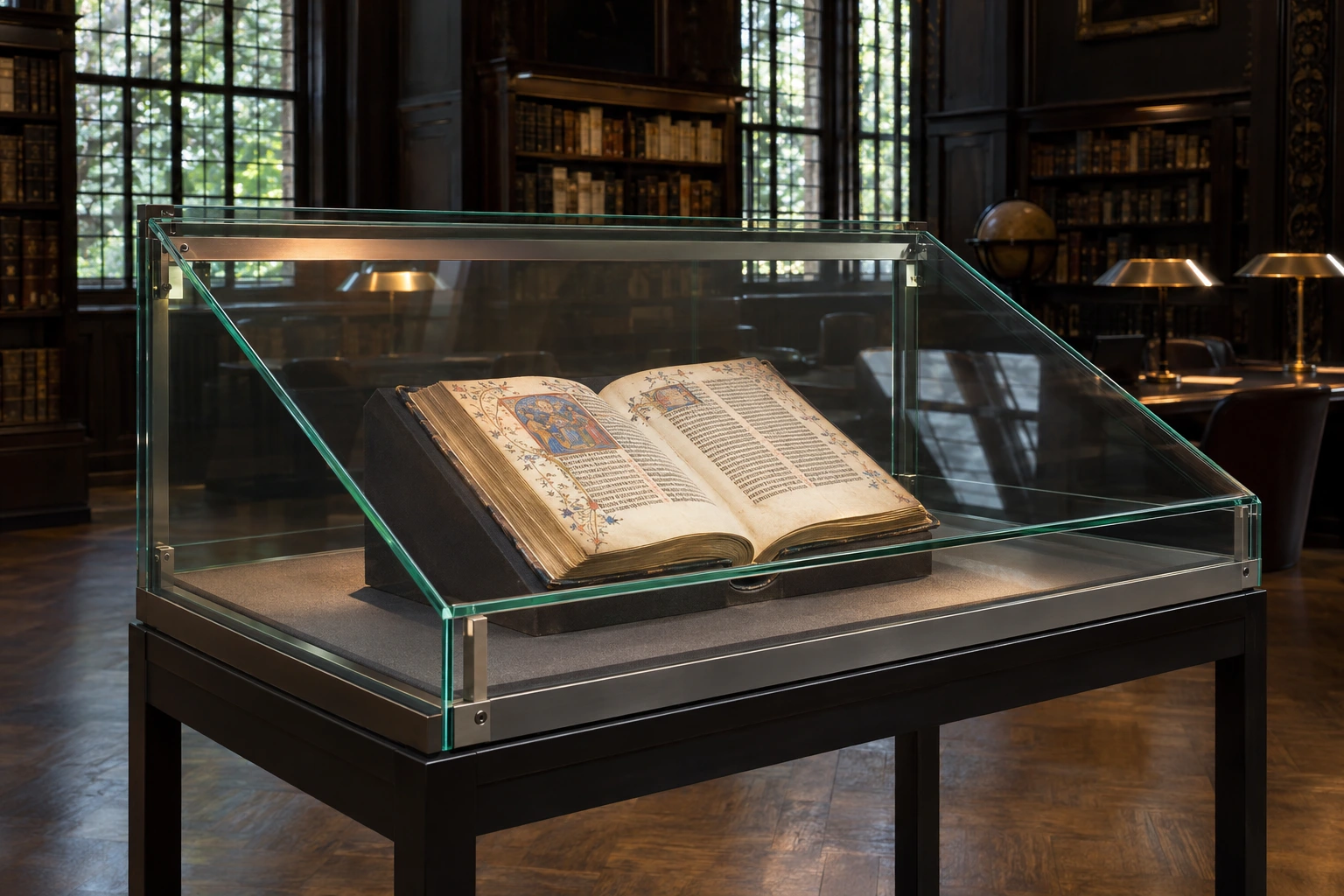
An open manuscript needs a different support from a row of coins. Allow for the book cradle, the angle at which the volume may be opened and the space a curator needs to handle it. For loans, agree the lighting, interior materials and any climate requirements with the lender.
Where anti-reflective museum glass makes a difference
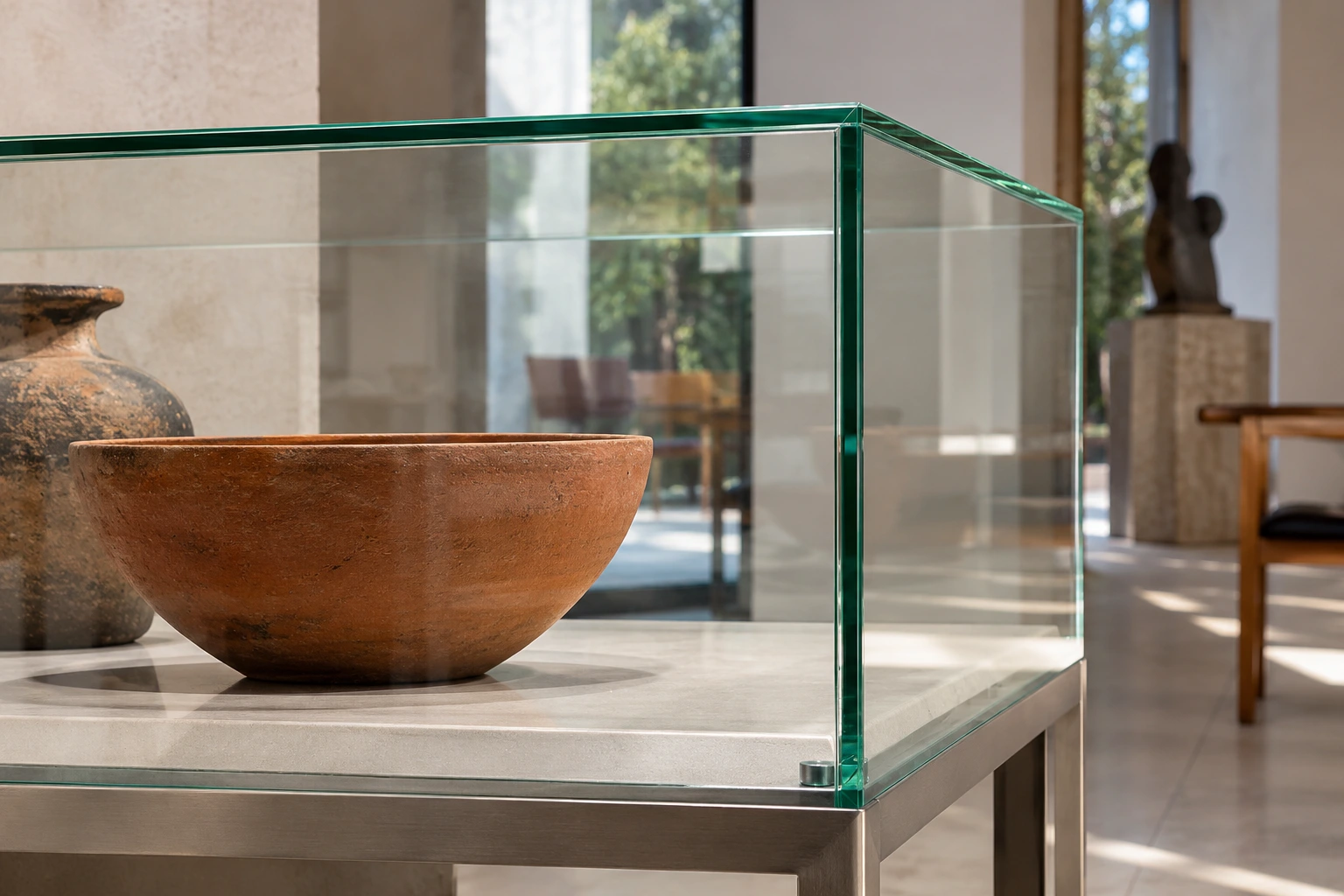
A bright window reflected in the front of a case can all but obscure a dark sculpture. Anti-reflective display glass has a coating that reduces these reflections. Try a sample against the intended backdrop, with the room lights on, and look through it from the positions visitors will actually use.
For coloured exhibits, also consider the tint of the glass itself. Low-iron glass reduces that tint. An anti-reflective coating addresses reflections. Where an exhibit requires UV protection, check the specification of the proposed glazing against the collection’s requirements.
Choosing the lock, glazing and fixing together
Depending on the case, access options might include a keyed door lock or a retaining mechanism that secures a lift-off cover. Consider who needs a key, how often they change the display and whether a group of cases should share the same key.
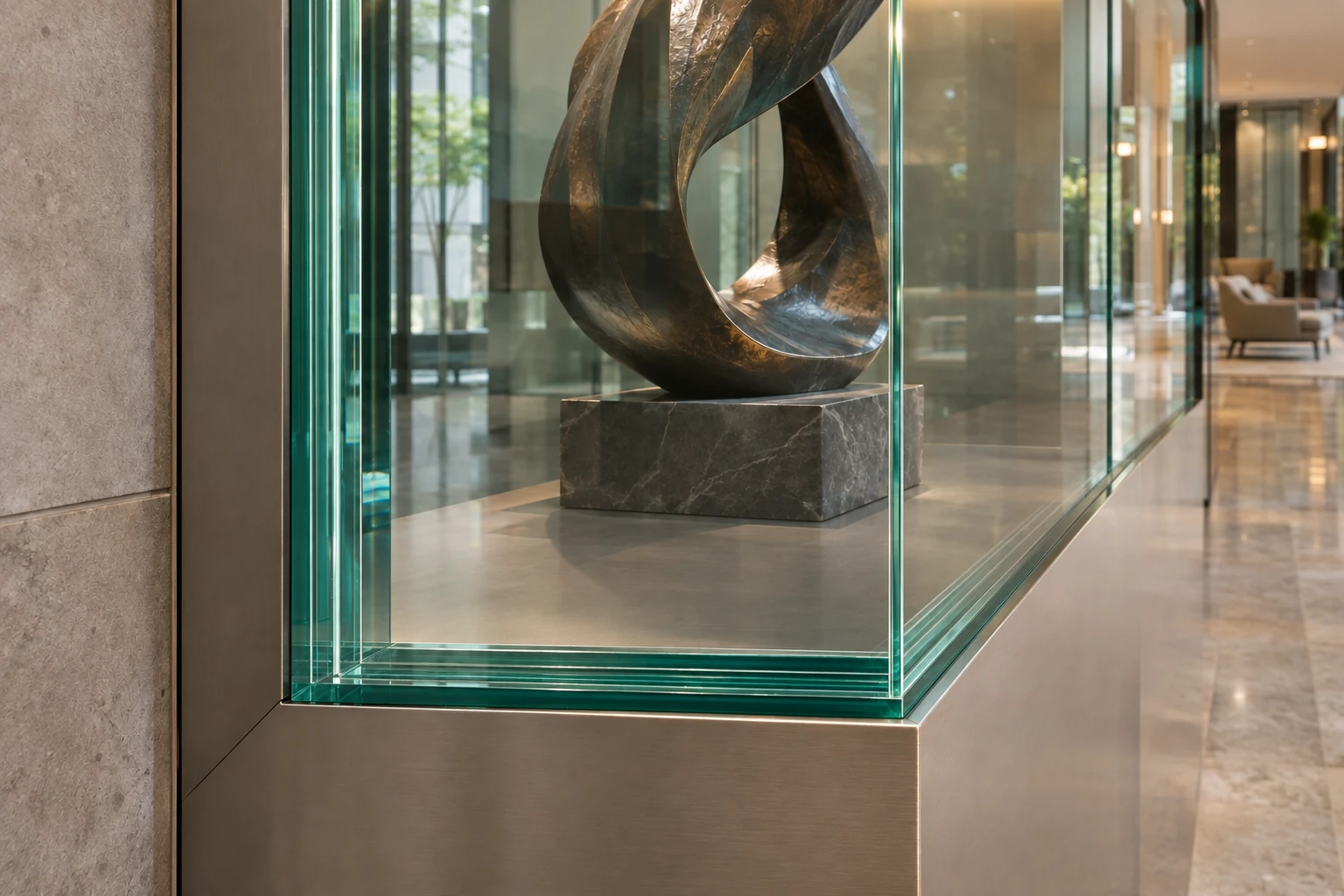
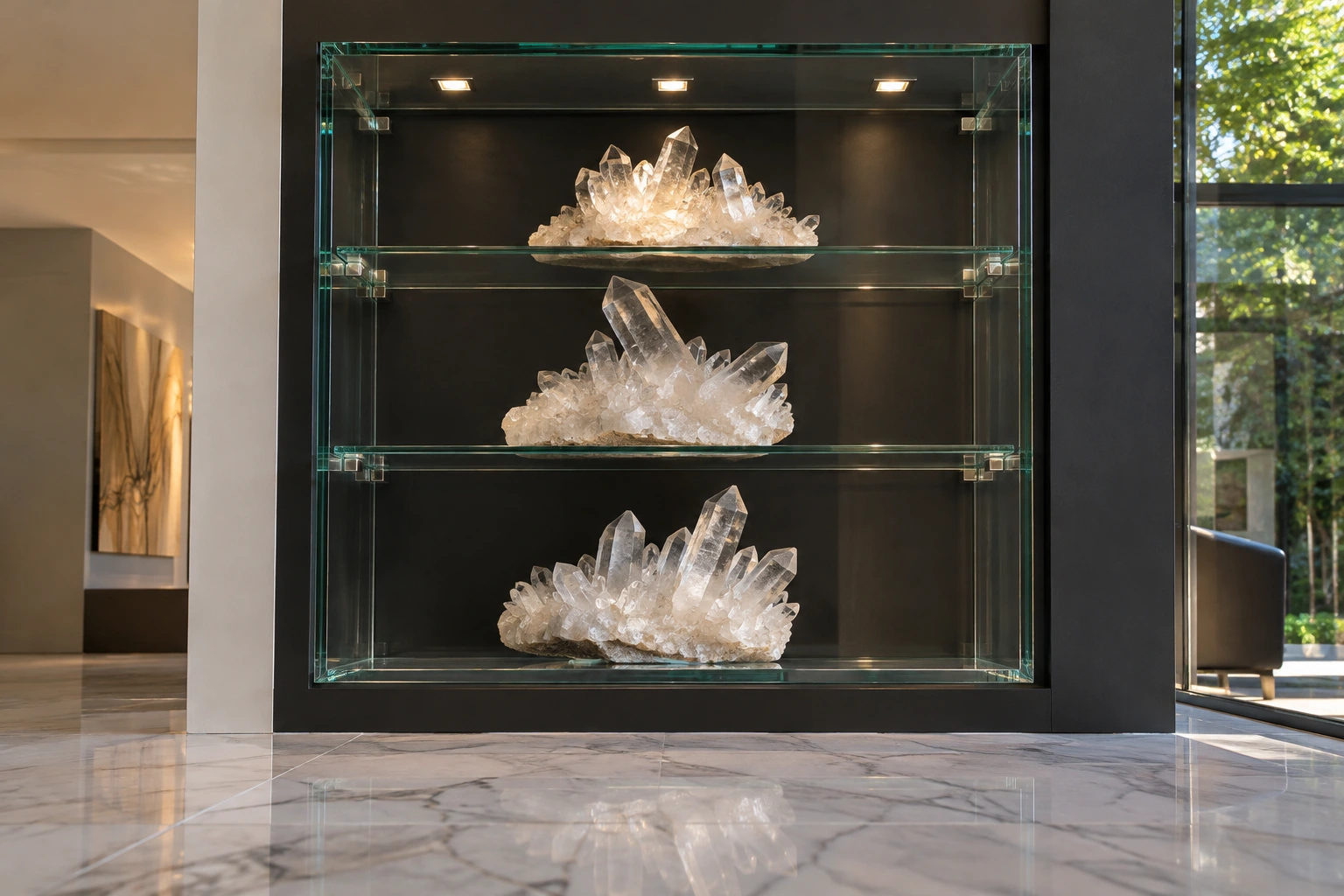
Laminated safety glass can retain glass fragments on its interlayer. A specially constructed and tested pane may be appropriate in front of an object in a wall recess. EN 356 classifies the resistance of glazing to manual attack. The security of the complete display also depends on the frame, locking mechanism and anchorage. Agree the evidence required for the finished installation with the lender and insurer.
Ideas for your project
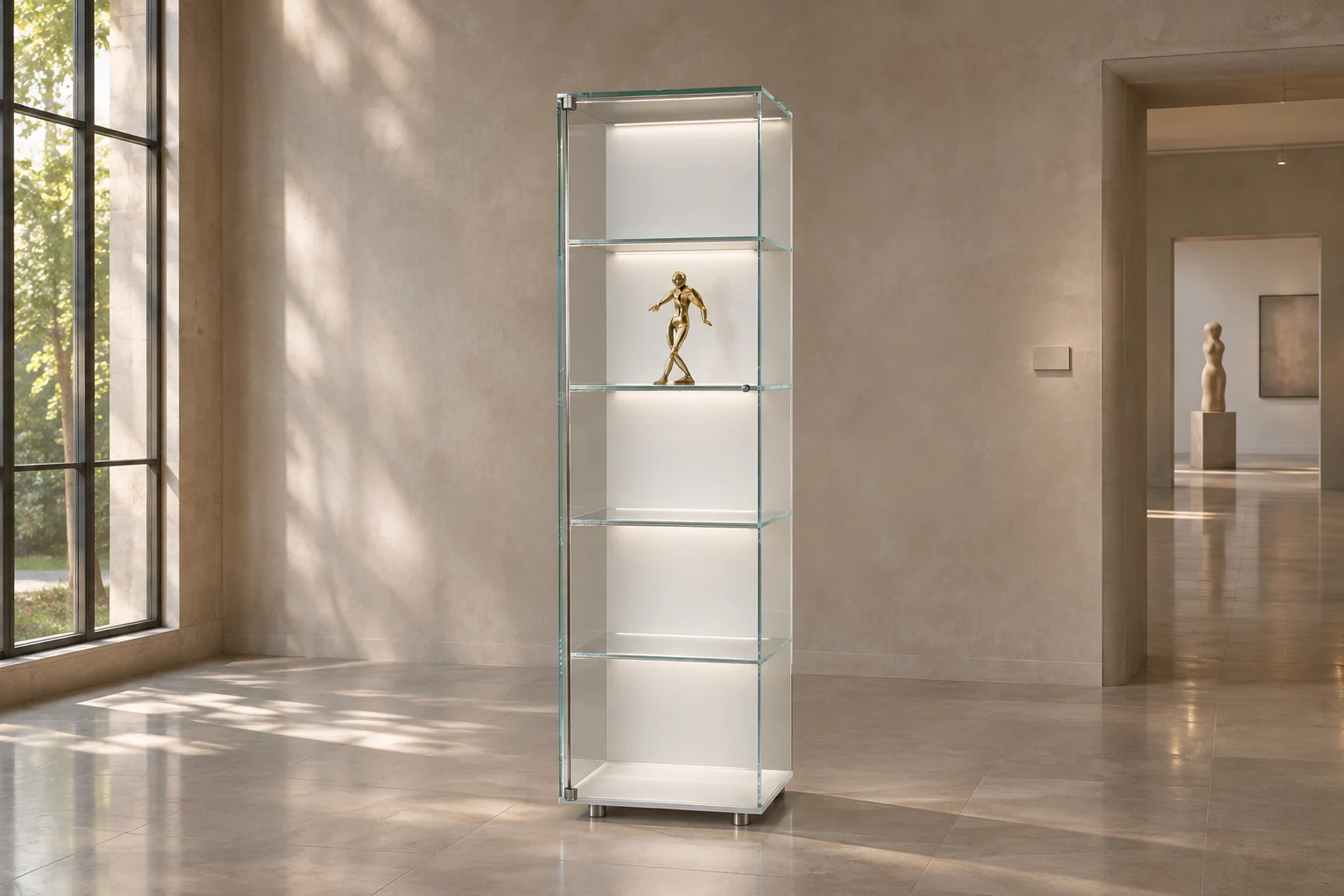
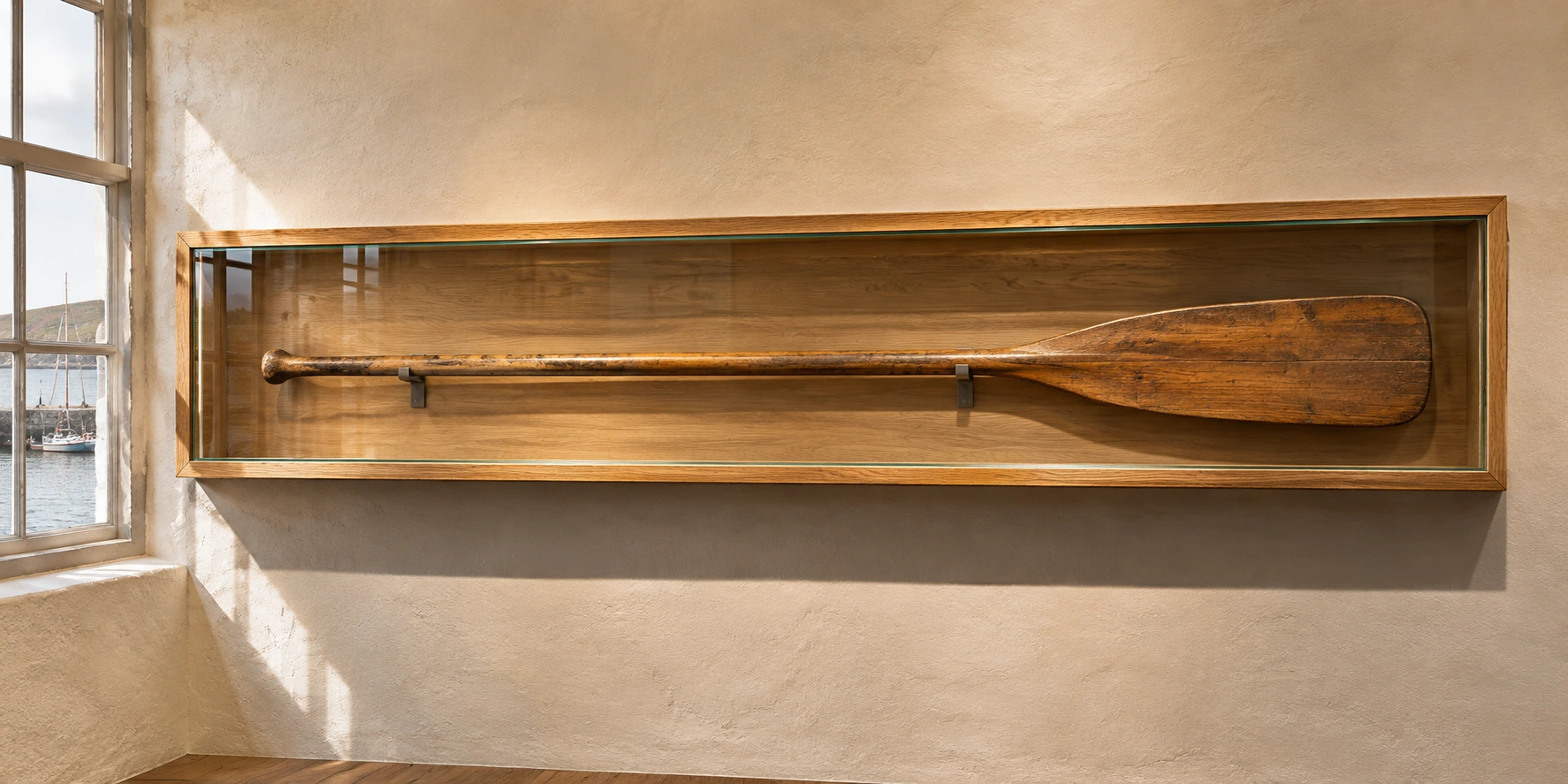
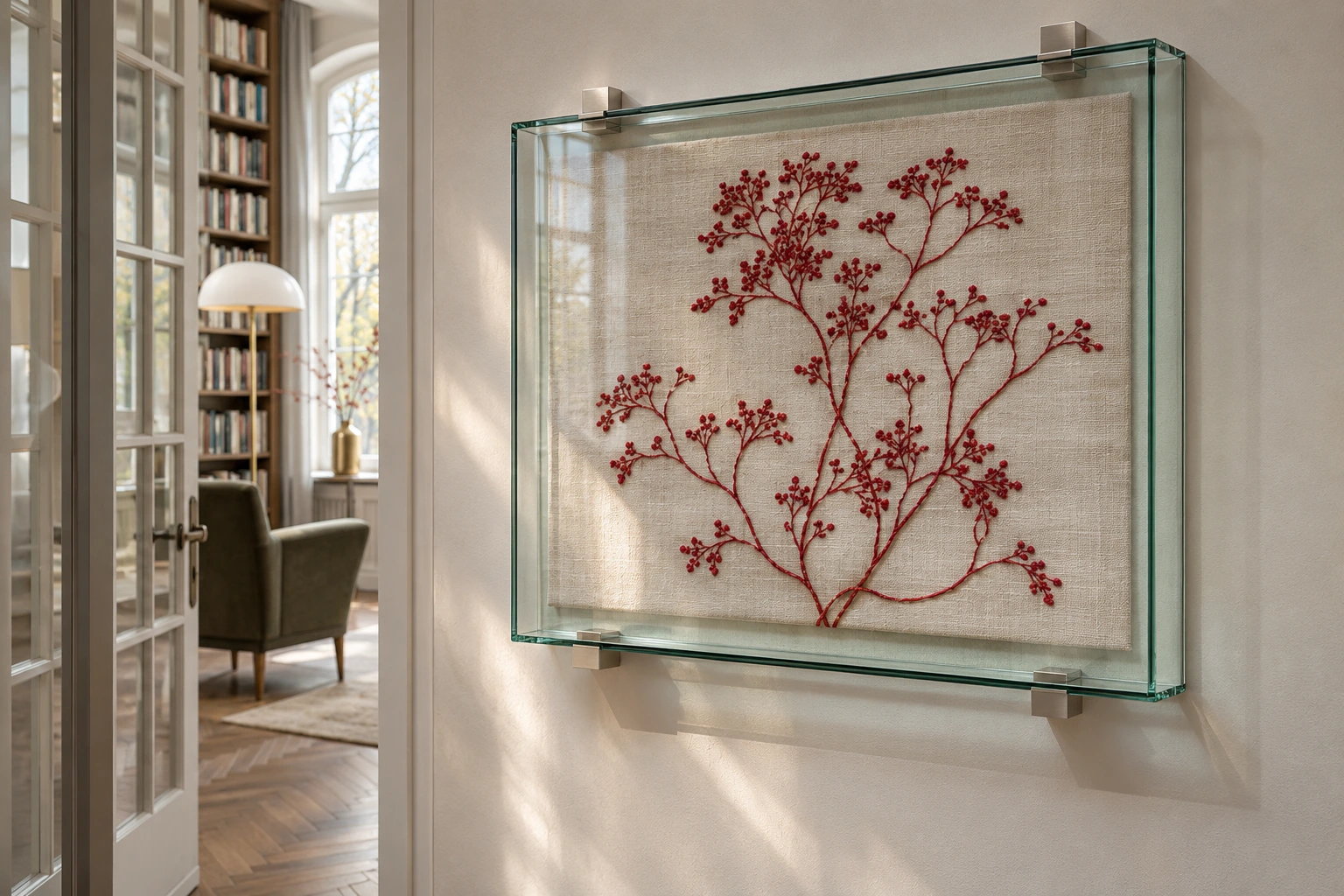
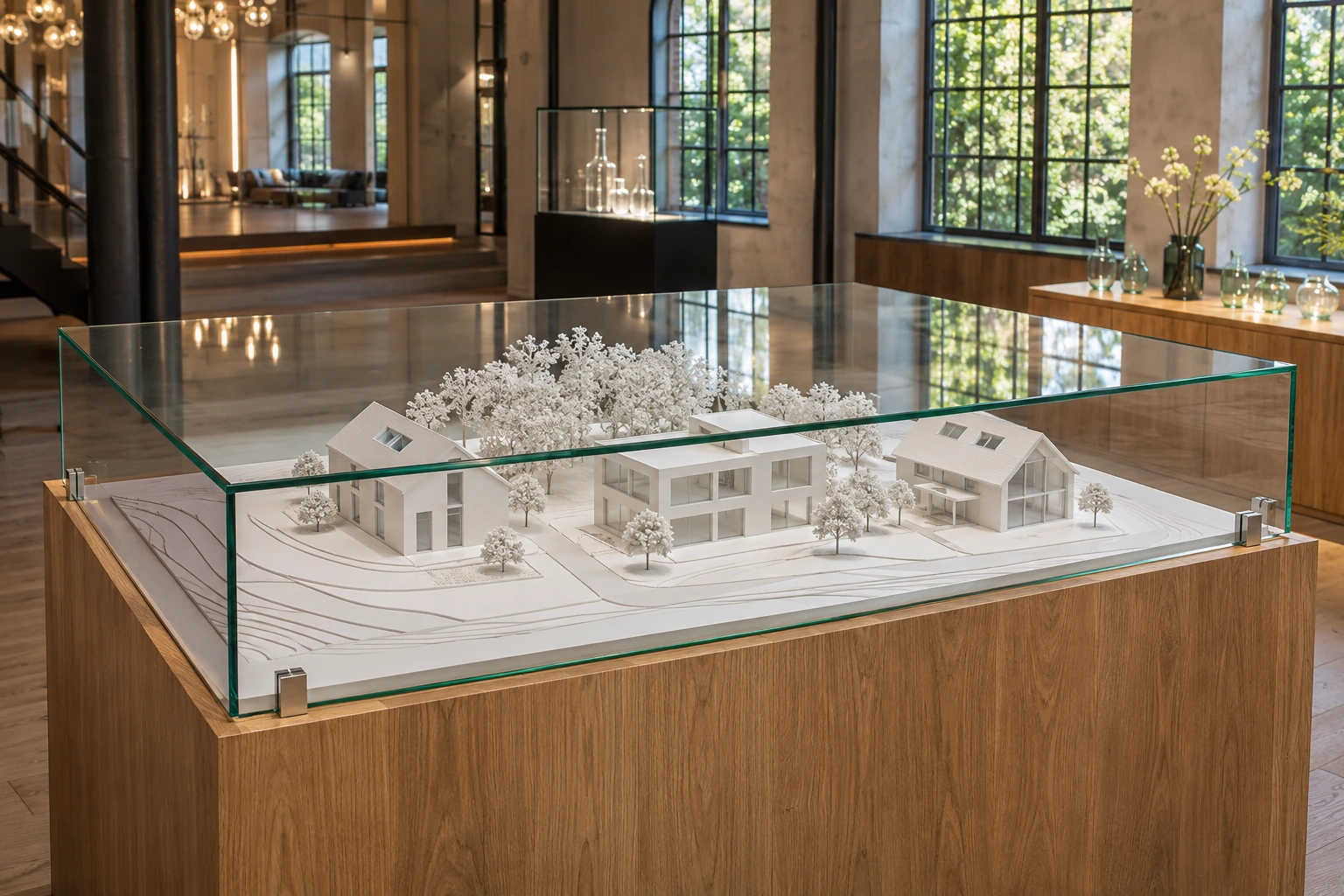
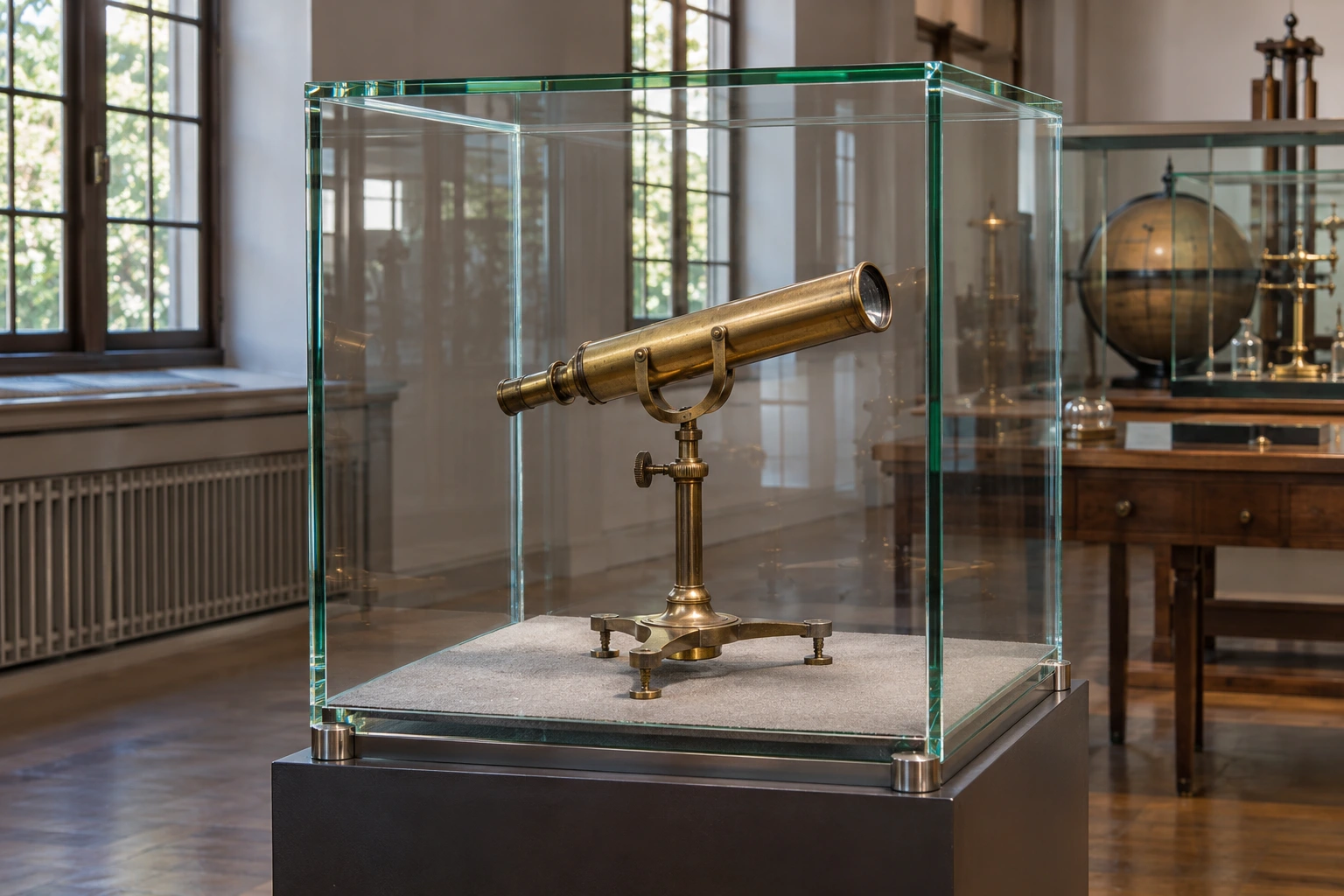
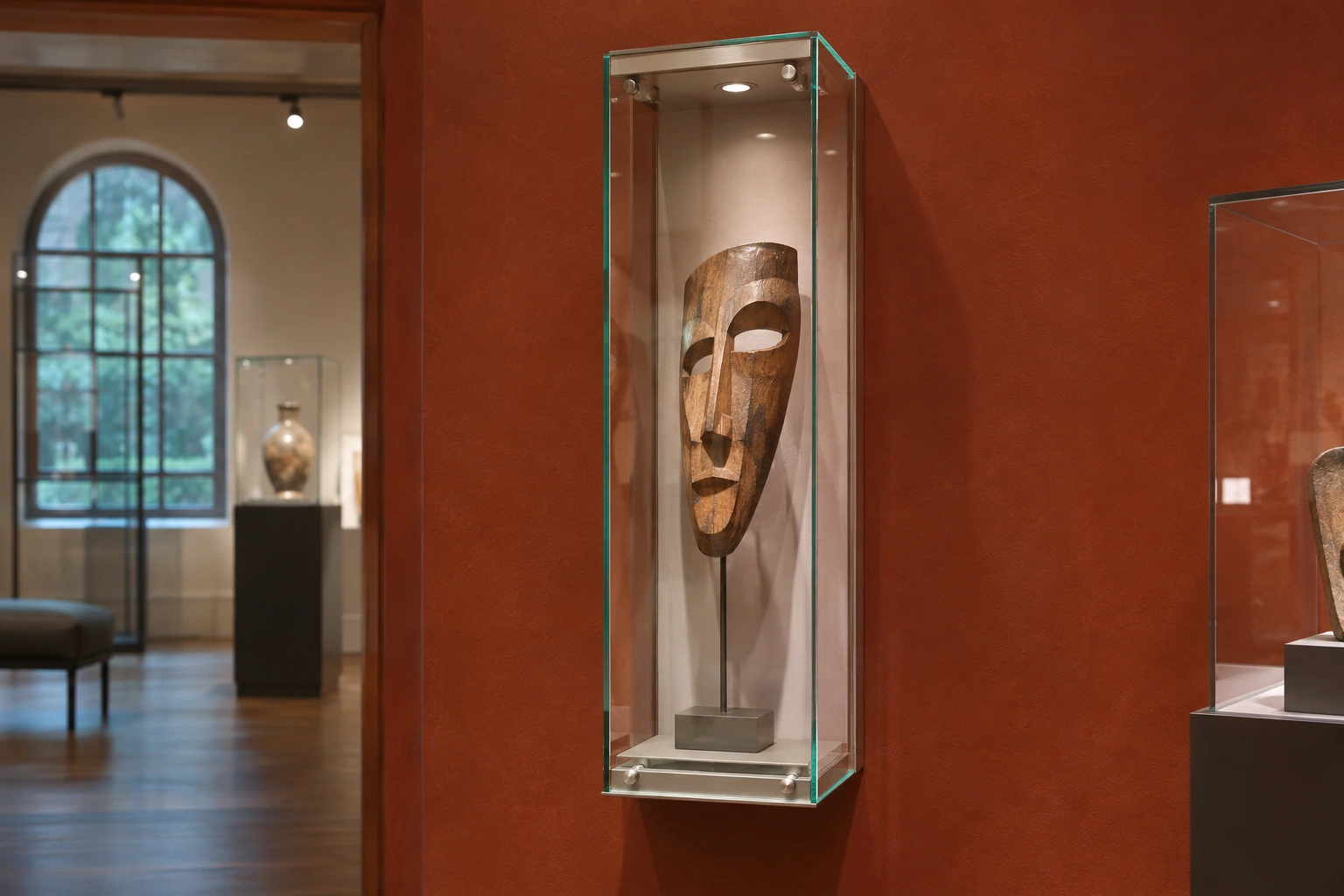
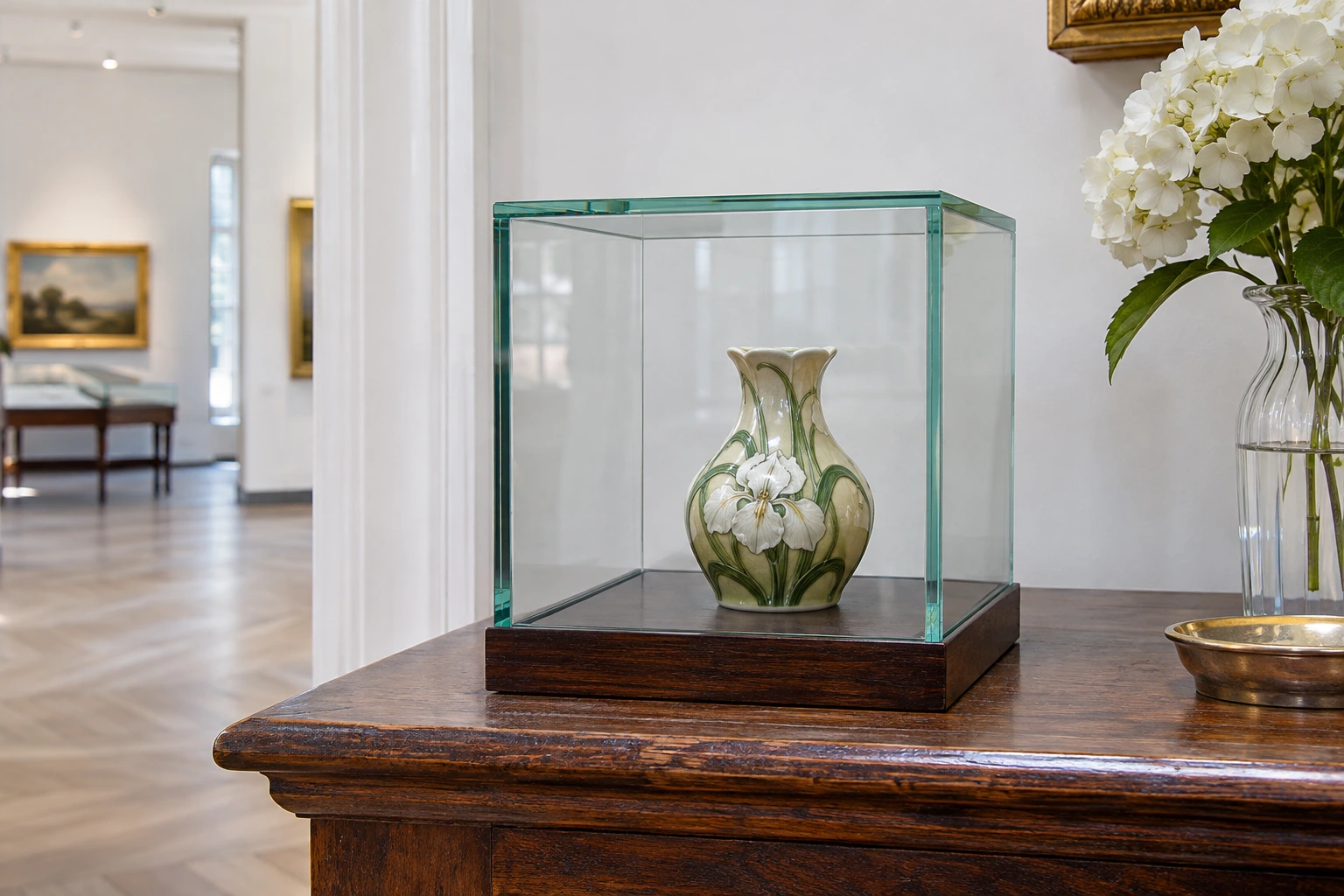
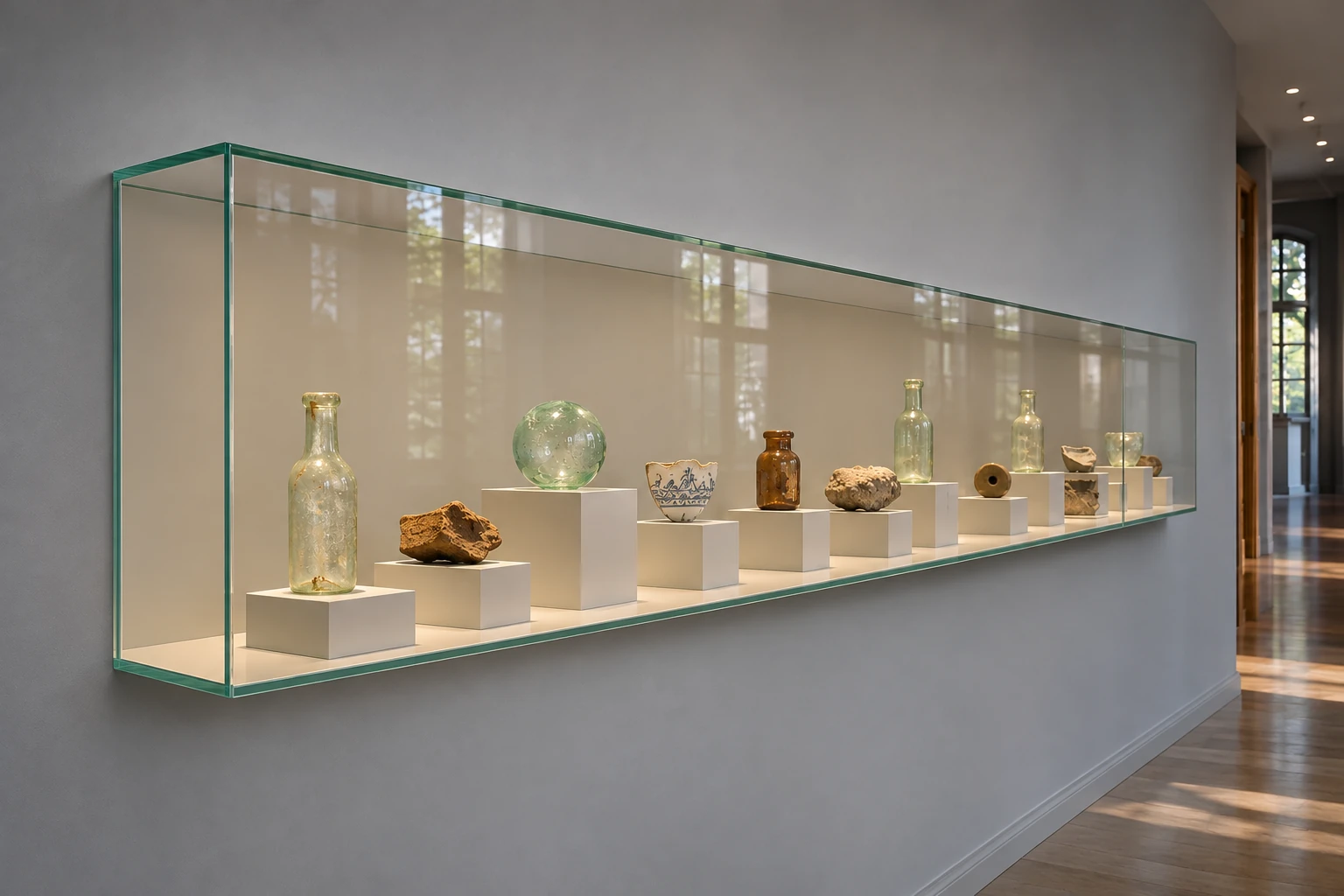
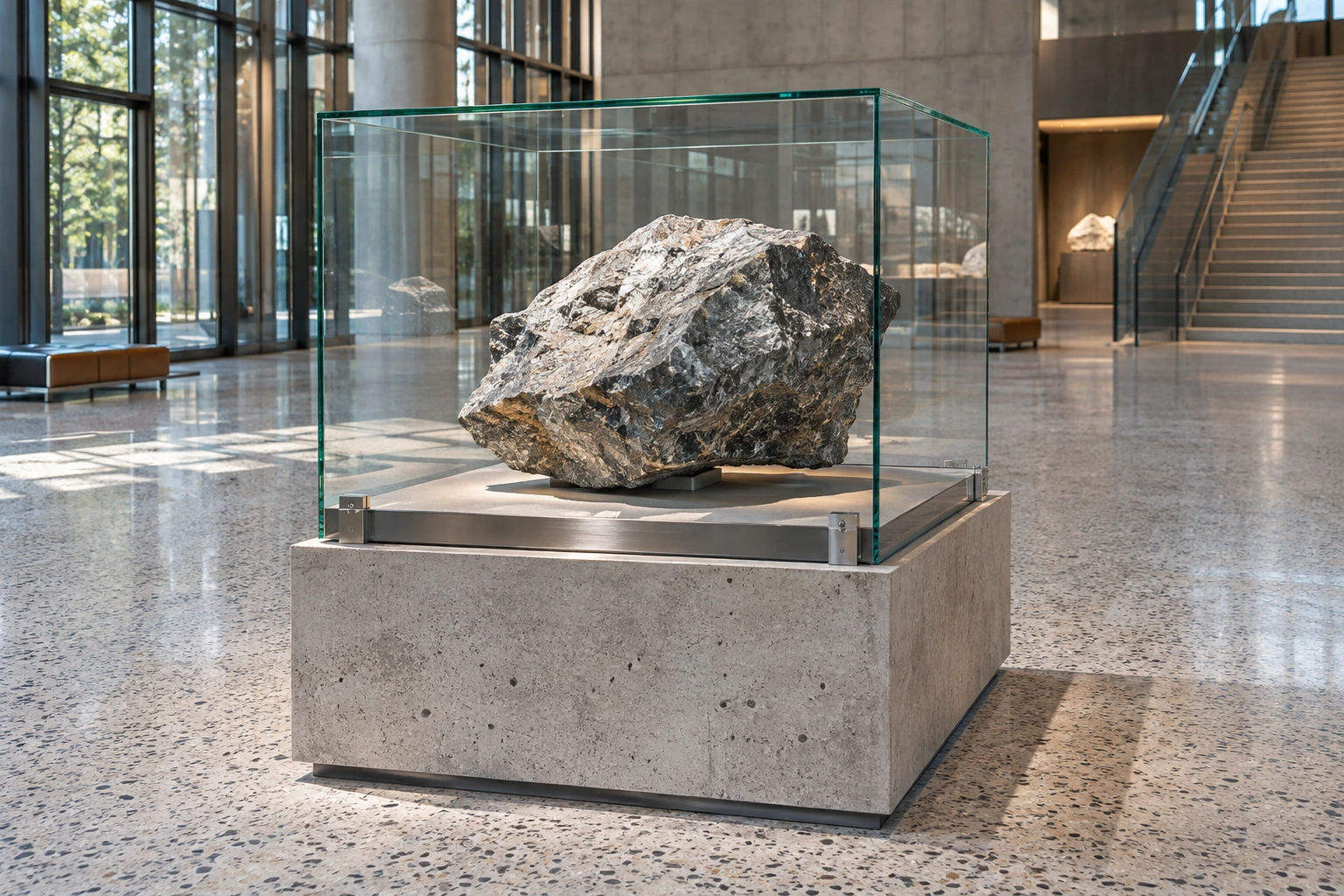
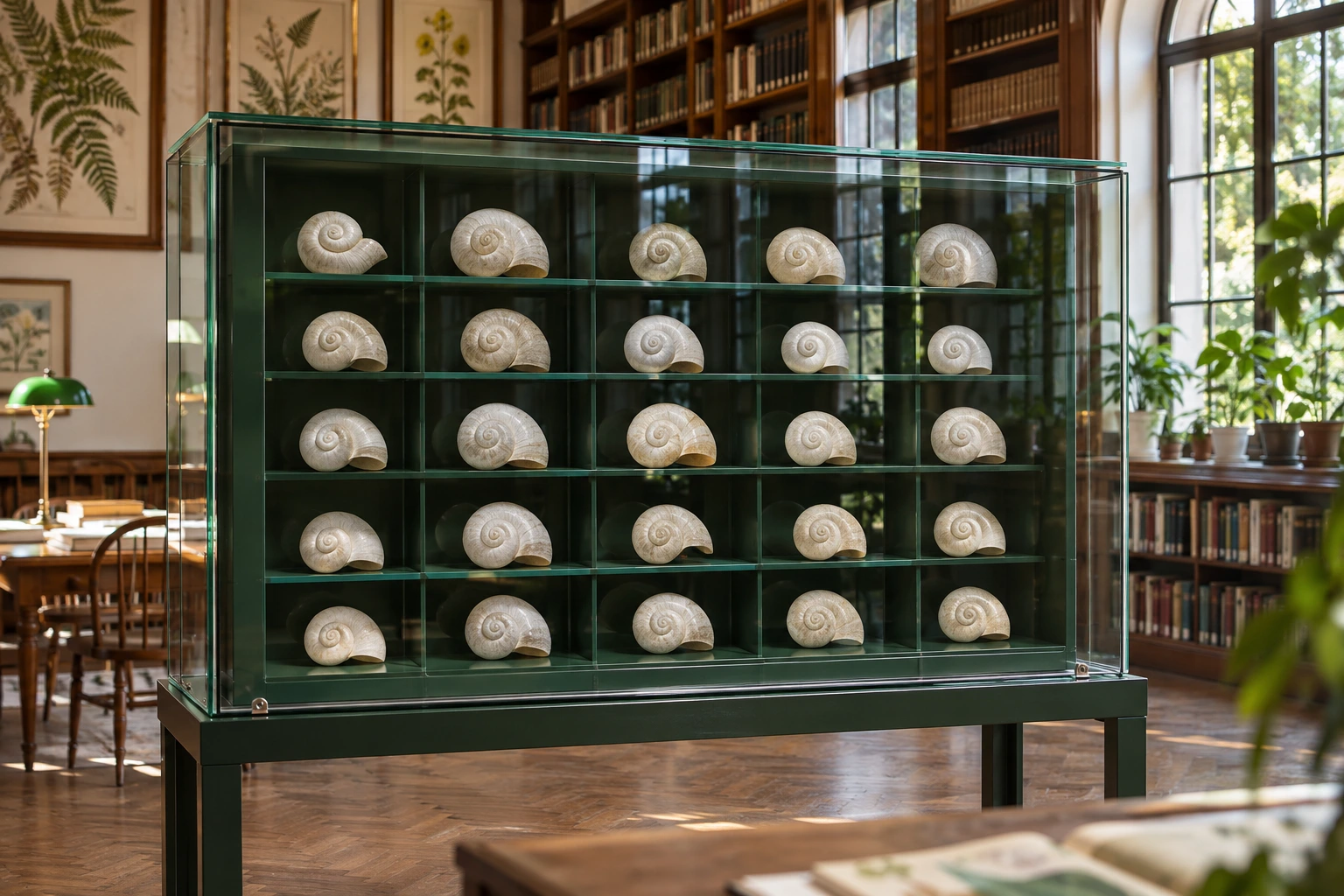
These visualisations illustrate how bespoke furniture could work in this setting.
Planning questions
Can we use a plinth we already own?
Photographs, overall dimensions and details of its upper surface help us check the fit of a new cover, possible fixing points and the space available to open it.
What should we include in an enquiry for several display cases?
Include quantities, object dimensions with mounts, existing plinths and the exhibition opening date. A floor plan showing doors, windows and visitor routes is especially helpful.
What if we change exhibitions frequently?
Tell us the size of the largest object and describe a typical changeover. This helps establish the clear opening, the handling space and the most practical side for staff access.
Your project with DREIECK DESIGN
Tell us about the space, the furniture you need and your schedule. Approximate dimensions and quantities are enough to start the conversation.